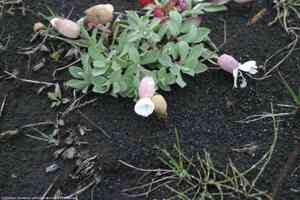
Sea campion (Silene uniflora)
Also known as: Seaside catchfly
Sea campion (Silene uniflora) is a hardy herbaceous plant native to subarctic regions such as Iceland, the British Isles, and the Baltic coast. It forms low, dense mats that help it endure harsh coastal winds. The plant produces delicate flowers that, although short-lived, attract butterflies and other pollinators. Due to its resilience and minimal care requirements, gardeners often use sea campion as an easy-to-maintain ground cover.
In This Article
Attributes of Sea campion
Lifespan
Perennial
Plant Type
Herb
Plant Height
15 cm
Spread
20 cm
Leaf Color
Green Gray Variegated Silver
Flower Size
2.5 cm
Flower Color
White
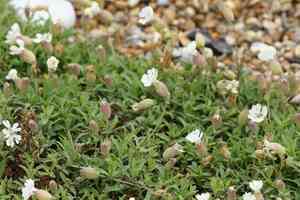
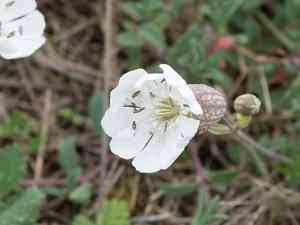
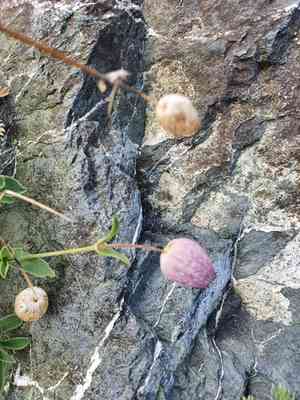
Images of Sea campion
Quickly Identify Sea campion
1
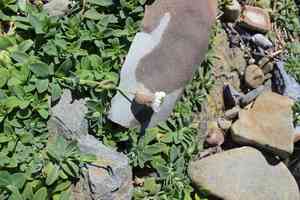
Silene uniflora can be identified by its white or pale pink flowers, which typically have five deeply notched petals. The plant has a rosette of basal leaves and a sprawling habit.
Scientific Classification of Sea campion
Phylum
Vascular plants
Class
Dicotyledons
Order
Caryophyllales
Family
Pink
Genus
Campions
Species
Sea campion
Planting and Growing of Sea campion
Care Difficulty
Easy
Watering Schedule
Every 2 days
Sunlight Requirements
Full sun
Sunshine Duration
6-10 hours
Ideal Temperature
50-77℉
Soil Type
Potting Mix, Peat Mix
Soil pH
6.5-7.5
Fertilizer Type
Balanced
Pruning Season
Spring, Summer
Pruning Area
Branches, Leaves
Pruning Frequency
2 times a year
Repotting Season
Spring
Pot Type
Plastic, Ceramic
 How to Water Sea campion?
Silene uniflora appreciates a balanced watering approach. You should aim to moisten the soil evenly without making it waterlogged. About 100 ml of water per session is optimal, ensuring the soil is moist to the touch down to an inch.
What are the symptoms of an underwatered Sea campion?
›
What should I do if my Sea campion is not getting enough water?
›
What are the symptoms of an overwatered Sea campion?
›
How to save an overwatered Sea campion?
›
 What Are the Sunlight Requirements for Sea campion?
Silene uniflora prefers full sun to partial sun conditions. Providing steady sunlight allows the plant to flourish through vibrant growth and abundant flowering. Optimum light levels bolster the plant's metabolic processes and amplify its ornamental appeal.
More About Sunlight Requirements Techniques→
How much sunlight does Silene uniflora need?
›
How to ensure ideal lighting for Silene uniflora?
›
What benefits does ideal lighting provide?
›
 What Is the Ideal Temperature Range for Sea campion?
For Silene uniflora, the ideal temperature range ensures optimal growth and flowering. This range is between 50°F and 77°F. Within this range, the plant can maintain metabolic processes efficiently, enabling healthy development and resilience against pests and diseases.
 What Soil is Best for Sea campion?
Silene uniflora thrives in well-drained soils. This characteristic prevents root rot and ensures that the roots can breathe properly. It mimics the plant's natural habitat, allowing it to flourish with fewer concerns about waterlogging. This plant can tolerate nutrient-poor soil, which means it doesn't require heavy fertilization. This is beneficial for gardeners looking to maintain a low-maintenance garden, as the plant adapts well to less resource-rich environments. An inclination towards calcareous soil indicates that Silene uniflora does well in slightly alkaline soils. This is a distinct advantage in regions where soil alkalinity might hinder other plants, thus increasing Silene's adaptability.
 How to Fertilize Sea campion?
When fertilizing Silene uniflora, use a balanced fertilizer at half-strength. The plant does not demand heavy feeding and can thrive with moderate nutrients. Ensure the fertilizer is well-diluted to prevent any root burn or nutrient overload.
 How to Prune Sea campion?
Silene uniflora, commonly known as Sea Campion, benefits from regular pruning to maintain its bushy appearance and encourage more blooms. Start by identifying any dead or discolored stems, as these will not support healthy growth. Trimming these can help the plant redirect energy towards new flower production. Additionally, understanding how the plant naturally spreads can assist in making strategic cuts that enhance this aspect. Begin by using sharp, clean scissors or pruning shears to make clean cuts. Target dead stems and leaves first, as these can harbor disease. For aesthetic purposes, maintain a rounded shape by trimming the plant gently from the sides. This not only helps in retaining a neat appearance but also ensures sunlight can penetrate to the center of the plant, promoting even growth.
More About Pruning Techniques→
 How to Propagate Sea campion plant?
1
Start by filling seed trays with a fine, well-draining soil mix. Sow the seeds on the surface and lightly cover them. Keep the soil consistently moist but not waterlogged.
2
Select healthy, non-flowering stems from a parent plant. Cut a 4-6 inch section below a node using sterilized pruning shears. Remove lower leaves before planting.
3
Gently dig up the plant and separate it into smaller sections, each with roots and shoots. Replant immediately to avoid root drying, ensuring soil contact for each section.
 How to Repot Sea campion plant?
1
Look for signs like roots growing through drainage holes or soil compacted to the point where water doesn't penetrate easily. These are clear indicators that your Silene uniflora needs a fresh start in a new pot.
2
Select a pot that is one size larger than the current one. Make sure it has ample drainage holes to facilitate water escape. This ensures the roots have space to grow while preventing waterlogging, crucial for the plant's health.
3
Opt for a well-draining sandy soil mix. This type of soil mimics its natural rocky habitat, providing adequate aeration and preventing root rot, thereby creating optimal conditions for your plant to thrive.



