How to Transplant Oregon silene?
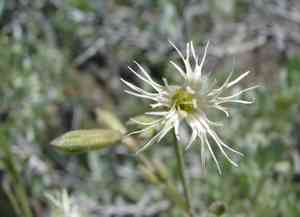
Oregon silene flourishes when relocated in mid-spring, benefiting from temperate conditions and emerging development. Select a bright, adequately drained location. Bear in mind, reduced disruption facilitates superior adaptation.
What Preparations are Necessary Before Relocating Oregon Silene?
What is the Optimal Period for Moving Oregon Silene?
Oregon silene, a perennial plant, is best moved in early to mid-spring. This timing allows oregon silene to benefit from cool, damp soil conditions, fostering robust root development before summer heat. Relocating during this period boosts survival rates and helps oregon silene settle more effectively in its new spot.
What Spacing is Recommended Between Oregon Silene Plants?
When relocating your oregon silene, aim for a spacing of approximately 12-18 inches (30-45 cm) between each plant. This provides ample room for growth and ensures good air circulation, contributing to their health and reducing disease risk.
What is the Ideal Soil Blend for Oregon Silene Relocation?
Prepare well-draining soil for your oregon silene using a mix of garden soil and compost. Incorporating a balanced base fertilizer, such as a 10-10-10 (N-P-K) blend, will supply essential nutrients for vigorous growth.
Where is the Best Place to Replant Your Oregon Silene?
Select a sunny location for moving your oregon silene, as these plants flourish in full sunlight. Ensure the site receives at least 6 hours of direct sun daily for optimal growth and flowering.
What Tools Should You Prepare Before Relocating Oregon Silene?
Gardening Gloves
To safeguard your hands while handling soil and plants.
Trowel
To excavate small holes and aid in extracting plants from containers or seedling trays.
Shovel or Spade
To dig larger holes and trenches for plants being removed from the ground.
Watering Can or Hose
To hydrate the soil before and after relocation.
Mulch
To assist in moisture retention and weed suppression around the newly relocated plant.
Stakes and Ties
To support the plant if it is young or tall and leggy.
How Do You Extract Oregon Silene from the Soil?
How Do You Extract Oregon Silene from the Soil?
From Ground: First, water the oregon silene plant to moisten the soil. Then, dig a wide trench around the plant using a shovel or spade, ensuring the plant's root ball remains intact. Carefully work the shovel beneath the root ball to lift the plant from its original spot.From Pot: Gently tap the sides of the pot to loosen the soil. Hold the base of the plant near the soil line and carefully ease the plant out of the pot. If the roots are pot-bound, gently separate them before relocating.From Seedling Tray: Use a trowel or a spoon to loosen the soil around the seedling. Hold the base of the seedling and gently lift it out, keeping as much soil around its roots as possible.
Step-by-Step Guide for Relocating Oregon Silene
Site Preparation
Ensure the relocation area is thoroughly prepared by clearing any weeds, rocks, or debris that could hinder growth.
Hole Preparation
Dig a hole that is twice as wide and just as deep as the root ball of the oregon silene plant to provide ample space for root expansion.
Plant Positioning
Place the oregon silene plant in the hole, ensuring it sits at the same depth as it was in its previous location. The top of the root ball should be level with or slightly above the surrounding soil.
Filling and Firming
Backfill the hole with soil, gently firming it around the root ball to eliminate air pockets while offering stable support for the plant.
Watering
Water the relocated oregon silene thoroughly, saturating the root zone to help settle the soil around the roots.
How Do You Care For Oregon Silene After Relocation?
Watering
Keep the soil around the oregon silene consistently moist, but not waterlogged, for the initial few weeks after relocation to aid in establishing strong roots.
Mulching
Apply a layer of mulch around the base of the oregon silene to help retain moisture and keep the roots cool.
Stake Support
If needed, provide support to the plant using stakes and ties, especially if it is young or tends to droop.
Monitoring
Regularly check the oregon silene for signs of relocation shock, such as wilting or yellowing leaves, and provide additional care as required.
Troubleshooting Common Issues with Oregon Silene Relocation.
When is the optimal time to relocate oregon silene?
Relocate oregon silene in early to mid-spring for best growth and establishment.
What spacing should I use for relocated oregon silene?
Space oregon silene plants 12-18 inches (30-45 cm) apart to ensure healthy development.
How should I prepare the soil for oregon silene?
Ensure the soil is well-draining, rich in organic matter, and slightly sandy for oregon silene.
How do I minimize relocation shock for oregon silene?
Water oregon silene thoroughly before and after relocation to reduce shock and support root establishment.
What if oregon silene wilts after relocation?
Provide shade, water adequately, and avoid over-fertilizing to help oregon silene recover from wilting.
How deep should oregon silene be planted in its new spot?
Plant oregon silene at the same depth as it was previously grown to prevent stress.
Can I use mulch around oregon silene after relocation?
Applying mulch around oregon silene can help conserve moisture and regulate soil temperature.
Should I prune oregon silene after relocation?
Lightly prune oregon silene to remove damaged leaves, encouraging healthy new growth.
How often should I water oregon silene after relocation?
Water oregon silene regularly, keeping the soil consistently moist but not waterlogged for the initial few weeks.
What if oregon silene shows signs of pests after relocation?
Inspect oregon silene regularly and use organic pesticides or neem oil if pests are detected.



