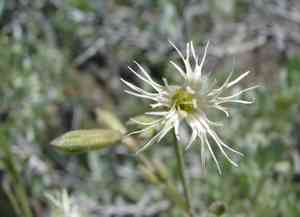
Oregon silene (Silene oregana)
Also known as: None
The Oregon silene (Silene oregana) is a perennial native to North America, favoring rocky or sandy soils in open woodlands and meadows. It thrives in well-drained conditions with access to full sun or partial shade. This plant typically reaches heights of 10-30 cm, featuring hairy stems and lance-shaped leaves. Its flowers, which bloom from late spring to summer, range from pink to lavender and have deeply notched petals. The distinctive feature includes its clusters of blossoms rather than a bladder-like calyx.
In This Article
Attributes of Oregon silene
Lifespan
Perennial
Plant Type
Herb
Plant Height
15 cm to 25 cm
Spread
N/A
Leaf Color
Green
Flower Size
1-2 cm
Flower Color
Pink, Magenta
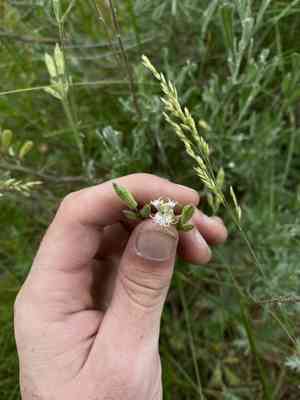
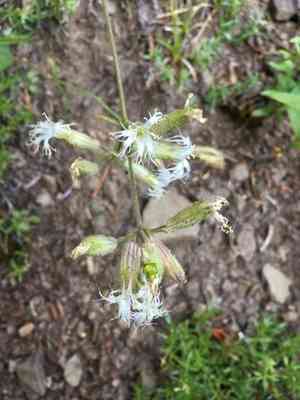
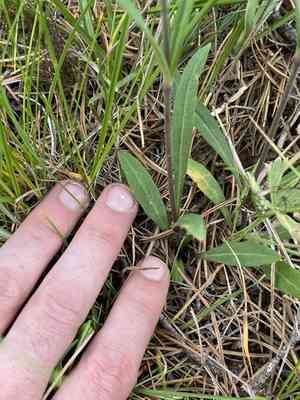
Images of Oregon silene
Quickly Identify Oregon silene
1
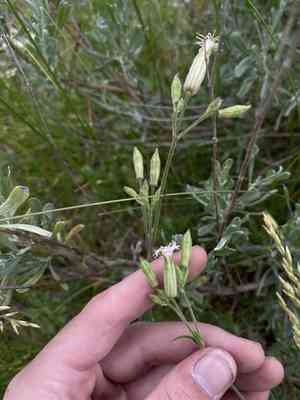
Silene oregana can be identified by its glandular-hairy stems, leaves that are lanceolate to oblong-lanceolate, and its distinctive pink to magenta flowers with deeply lobed petals.
Scientific Classification of Oregon silene
Phylum
Vascular plants
Class
Dicotyledons
Order
Caryophyllales
Family
Pink
Genus
Campions
Species
Oregon silene
Planting and Growing of Oregon silene
Care Difficulty
Moderate
Watering Schedule
Every 2 days
Sunlight Requirements
Full sun
Sunshine Duration
4-8 hours
Ideal Temperature
65-75℉
Soil Type
Potting Mix, Peat Mix
Soil pH
6.5-7.5
Fertilizer Type
Balanced
Pruning Season
Spring, Summer
Pruning Area
Branches, Leaves
Pruning Frequency
2 times a year
Repotting Season
Spring
Pot Type
Plastic, Ceramic
 How to Water Oregon silene?
When watering Silene oregana, aim for about 250 milliliters each time. It's important to ensure the soil gets moist but not waterlogged. The general rule for this plant is to let the top inch of soil dry out between waterings to prevent root rot.
What are the symptoms of an underwatered Oregon silene?
›
What should I do if my Oregon silene is not getting enough water?
›
What are the symptoms of an overwatered Oregon silene?
›
How to save an overwatered Oregon silene?
›
 What Are the Sunlight Requirements for Oregon silene?
Silene oregana ideally requires full sun to partial sun, which translates to at least 6 to 8 hours of light daily. This ensures it remains healthy, with vibrant blooms and strong growth.
What is Silene oregana's light preference?
›
How can you ensure ideal lighting for Silene oregana?
›
What benefits does Silene oregana gain from ideal lighting?
›
 What Is the Ideal Temperature Range for Oregon silene?
The ideal temperature range for Silene oregana is between 65 and 75 degrees Fahrenheit. This range ensures that the plant can carry out its physiological processes efficiently. Maintaining temperatures within this range promotes healthy growth and vibrant blooms throughout the growing season, providing the best conditions for sustaining its life cycle.
 What Soil is Best for Oregon silene?
Silene oregana thrives in well-draining soil, which prevents waterlogging and root rot. This allows the plant to absorb oxygen efficiently, promoting healthy root growth and overall plant vigor. While Silene oregana does not require extremely rich soil, a moderate level of nutrients aids in robust growth and flowering. Regular organic matter addition can ensure this balance, supporting its natural growth cycle. A pH range of 6.5 to 7.5 is ideal for Silene oregana, aligning with its natural habitat preferences. This pH range enhances nutrient uptake, ensuring the plant remains healthy and blooms effectively.
 How to Fertilize Oregon silene?
Silene oregana requires a balanced approach to fertilization. When applying liquid fertilizer, use a diluted concentration at about half the recommended strength. For slow-release granular fertilizer, apply approximately 2 teaspoons around the base of the plant. Ensure the fertilizer is evenly distributed to provide consistent nutrient access.
 How to Prune Oregon silene?
Begin by carefully inspecting the plant to identify any dead, diseased, or damaged stems and leaves. Removing these components first will help redirect the plant's energy towards healthier growth. Silene oregana benefits from good air circulation. Trim any dense growth in the center of the plant to open it up. This prevents mold and pests and encourages a stronger and more vibrant plant overall.
More About Pruning Techniques→
 How to Propagate Oregon silene plant?
1
Choose a well-draining soil mix aimed at seed starting or cuttings. Incorporate perlite or sand to enhance drainage and aeration. Ensure the soil is moist but not waterlogged before planting.
2
Scatter the seeds evenly in the prepared trays, covering lightly with a thin layer of soil. Mist the surface carefully to avoid dislodging seeds. Place the trays in a bright location with indirect sunlight.
3
Select a healthy parent plant and use sterilized shears to cut a suitable stem section. The cutting should be 4-6 inches long with several leaves. Remove the lower leaves to prevent rot and enhance soil contact.
 How to Repot Oregon silene plant?
1
Silene oregana needs repotting when you notice root-bound conditions like roots growing out of the drainage holes. Additionally, if the plant seems stunted or isn't growing as vigorously as before, it's time to repot. The best time is during spring when the plant is naturally gearing up for active growth.
2
Select a pot that is one size larger than your previous one and ensures it has good drainage. Terracotta pots are excellent because they allow air circulation and prevent overwatering, which is crucial for plants that prefer drier conditions, like Silene oregana.
3
Opt for well-draining sandy loam soil enriched with a bit of organic matter. This mix ensures proper aeration and mimics the plant's natural habitat, preventing root rot and promoting healthy growth. Avoid heavy soils that maintain moisture.



