How to Prune Oregon silene?
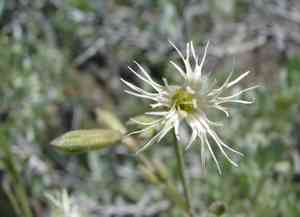
Oregon silene, a perennial plant, is recognized for its vivid blossoms. Trim oregon silene during late winter or early spring, prior to the emergence of new shoots. Eliminate any deceased or compromised stems to foster robust development and sculpt the plant's form. A light trim following the flowering period can stimulate additional blooms and prevent an elongated appearance. Improve air movement to lessen the likelihood of diseases. Consistent trimming leads to a more robust plant with enhanced flowering and general well-being.
What Are the Benefits of Pruning Oregon Silene?
What Are the Benefits of Pruning Oregon Silene?
Trimming oregon silene encourages robust development and maintains its form. This practice fosters healthier, stronger stems, boosts blooming capacity, and prevents excessive growth, ensuring the plant remains visually appealing and suitable for garden settings.
What Is the Best Time for Pruning Oregon Silene?
What Is the Best Time for Pruning Oregon Silene?
Trimming oregon silene in late winter and early spring is optimal as this period aligns with the plant's dormant phase, minimizing stress and encouraging healthy regrowth. Pruning before new growth emerges ensures the plant's energy is directed towards developing fresh shoots and flowers, resulting in a more vigorous and abundant bloom during the growing season. Additionally, this timing reduces the risk of disease and pest infestations, which are more active in warmer months.
What Tools Do I Need to Prune Oregon Silene?
Bypass Pruners
Bypass pruners are perfect for deadheading and making precise cuts on soft stems and new growth of oregon silene. Their sharp, scissor-like blades ensure accuracy and minimize plant damage.
Snips
Snips are excellent for detailed tasks, such as removing faded flowers and trimming small, delicate stems of oregon silene. Their fine, sharp blades allow for intricate pruning work.
Hand Pruning Saw
A small hand pruning saw can be useful if there are thicker, woody branches that need to be trimmed. It ensures clean cuts without crushing the plant tissue of oregon silene.
Sterilizing Solution
It is crucial to have a sterilizing solution to clean tools before and after pruning oregon silene to prevent disease transmission. A mixture of bleach and water or rubbing alcohol works effectively.
How to Prune Oregon Silene
Inspection
Carefully examine oregon silene for any diseased or withered leaves. Proper identification of these parts is essential for effective trimming.
Tools Preparation
Prepare sterilized pruning shears to prevent the spread of disease. Sharp tools ensure clean cuts that promote faster healing.
Remove Diseased Leaves
Trim diseased leaves close to the main stem but avoid cutting into the stem itself. Ensure the entire diseased area is removed to prevent further spread.
Remove Withered Leaves
Gently cut away withered leaves. Start at the base of the leaf stem and make clean cuts to maintain plant health and appearance.
Dispose Safely
Dispose of all removed leaves away from the garden area. This helps in preventing any potential disease from re-infecting oregon silene.
Common Pruning Mistakes with Oregon Silene
Over-pruning
Removing too many stems and leaves at once can stress oregon silene and hinder its growth and flowering potential.
Improper technique
Using dull or unclean tools can cause jagged cuts and introduce diseases, leading to poor plant health.
Pruning at the wrong height
Cutting stems too low or too high can either stimulate excessive growth or lead to sparse foliage and blooms.
Ignoring deadheading
Failing to remove spent flowers can prevent oregon silene from producing new blooms and can lead to seed formation, diverting energy away from growth.
Cutting back healthy growth
Removing healthy stems and leaves can reduce photosynthesis capabilities and overall plant vigor.
Common Pruning Tips for Oregon Silene
Clean and sharp tools
Always use clean, sharp tools to make clean cuts and prevent disease spread.
Moderate removal
Prune selectively, focusing on removing dead, diseased, or damaged stems to maintain shape and health without over-pruning.
Deadheading
Regularly remove spent blooms to encourage new flowers and prevent energy diversion to seed formation.
Angled cuts
Make cuts at a slight angle just above a leaf node to promote water runoff and encourage new, healthy growth.
Observe and adjust
Monitor the plant's response to pruning and adjust the technique and extent based on its growth and health.



