How to Transplant Lemmon's catchfly?
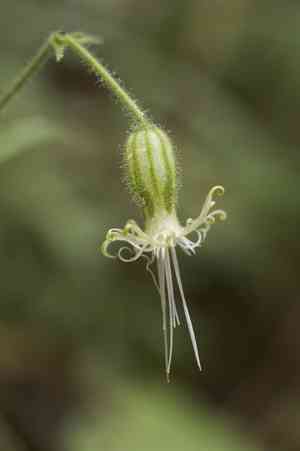
Lemmon's catchfly flourishes when relocated during the mild period of early spring. This timeframe provides ideal conditions for development, characterized by moderate warmth and precipitation. Select a site with full sun or partial shade, and irrigate promptly to aid in its settling.
Preparations Required Before Relocating Lemmon's Catchfly
Optimal Period for Transplanting Lemmon's Catchfly
Lemmon's catchfly, a perennial, is best moved in early to mid-spring. This timing leverages rising soil temperatures and increased moisture, fostering robust root growth and adaptation. Transplanting during these seasons ensures lemmon's catchfly establishes well before summer heat, leading to a healthier, more resilient plant.
Recommended Spacing Between Lemmon's Catchfly Plants
When relocating lemmon's catchfly, position each plant 12-18 inches (30-45 cm) apart. This spacing provides ample room for development and air circulation, maintaining plant health and vibrancy.
Ideal Soil Mixture for Lemmon's Catchfly Transplanting
For lemmon's catchfly, prepare well-draining soil enriched with organic material. Incorporate a foundational fertilizer like compost or a balanced granular type to supply essential nutrients for optimal growth.
Choosing a New Location for Your Lemmon's Catchfly
Lemmon's catchfly thrives in full sun, so select a garden spot that receives at least 6-8 hours of direct sunlight daily. Ensuring sufficient sunlight will help your plants flourish.
Equipment Needed Before Transplanting Lemmon's Catchfly
Gardening Gloves
To safeguard your hands while handling soil and the plant.
Shovel or Spade
Crucial for excavating the plant and creating the new planting hole.
Garden Trowel
Useful for more precise digging and maneuvering soil around the root ball.
Watering Can or Hose
For hydrating the plant before extraction and after replanting.
Pruners
To trim any damaged or excessively long roots.
Compost or Organic Matter
To enrich the soil in the new planting site.
Method for Extracting Lemmon's Catchfly from the Soil
Method for Extracting Lemmon's Catchfly from the Soil
From Ground: Thoroughly water the soil around lemmon's catchfly to facilitate digging. Using a shovel or spade, dig a wide trench around the plant, being careful to keep the root ball intact. Gently work the spade beneath the root ball to lift the plant, ensuring to take as much of the root system as possible.From Pot: Gently water the soil to aid its easy removal. Tap the pot's sides to loosen the soil, then invert the pot while supporting lemmon's catchfly with your other hand. If resistant, run a garden trowel along the pot's inner edge to free the roots.From Seedling Tray: Water the soil thoroughly. Use a garden trowel or your fingers to carefully lift each seedling by its leaves, not the stem, to prevent damage. Try to retain some soil around each root ball as you transfer them.
Step-by-Step Guide for Relocating Lemmon's Catchfly
Site Preparation
Prepare the new planting location by digging a hole twice the root ball's width and slightly deeper than the current root system.
Soil Amendment
Mix compost or organic material into the soil removed from the hole to enrich it.
Planting Depth
Position lemmon's catchfly in the hole so it rests at the same depth it was previously growing. Never bury the stem as this can suffocate the plant.
Backfilling
Carefully fill the hole halfway with the enriched soil, then water to settle it. Continue adding soil until the hole is full and gently pat it down to remove air pockets.
Watering
After planting, thoroughly water lemmon's catchfly to help establish strong roots and integrate the plant with the new soil.
Post-Transplant Care for Lemmon's Catchfly
Watering
Keep the soil around lemmon's catchfly consistently moist but not waterlogged for the initial weeks after transplanting. Gradually reduce watering as the plant establishes itself.
Mulching
Apply a layer of mulch around the base of lemmon's catchfly to retain moisture and regulate soil temperature. Avoid placing mulch directly against the stem.
Monitoring
Observe the plant for the next few weeks for signs of stress, such as wilting or yellowing leaves, and adjust care as necessary.
Resolving Common Issues with Lemmon's Catchfly Transplantation.
When is the best time to transplant lemmon's catchfly?
Relocate lemmon's catchfly in early to mid-spring or early to mid-winter for optimal results.
How much space should I give lemmon's catchfly during transplanting?
Space lemmon's catchfly plants 12-18 inches (30-45 cm) apart to ensure adequate growth room.
What type of soil is ideal for transplanting lemmon's catchfly?
Lemmon's catchfly prefers well-draining, sandy or loamy soil with a pH between 6.0 and 7.5.
How deep should I plant lemmon's catchfly during transplantation?
Plant lemmon's catchfly at the same depth it was growing in its previous location to minimize stress.
How should I prepare the planting area for lemmon's catchfly?
Clear weeds, loosen the soil, and incorporate compost or organic matter to enrich it.
What is essential to water lemmon's catchfly after transplanting?
Water lemmon's catchfly thoroughly after transplanting to ensure soil settlement and rapid root establishment.
How can I protect lemmon's catchfly from transplant shock?
Water consistently, provide initial partial shade, and avoid disturbing the root structure to lessen shock.
Should I prune lemmon's catchfly when transplanting it?
Lightly trim any damaged roots or stems, but avoid extensive pruning to reduce plant stress.
How often should lemmon's catchfly be watered after transplanting?
Water lemmon's catchfly regularly to keep the soil moist, but not saturated, during the initial weeks post-transplant.
What should I do if lemmon's catchfly wilts after transplanting?
Check soil moisture levels, provide shade, and mist leaves to help lemmon's catchfly recover from wilting.



