How to Prune Lemmon's catchfly?
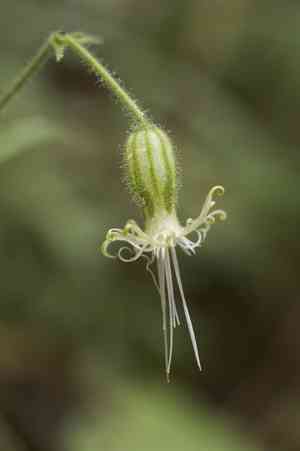
Silene lemmonii is distinguished by its fragile, stellate blossoms and robust development. Perform trimming in the initial part of spring or the latter portion of winter prior to the emergence of new shoots. This action eliminates deceased or compromised stalks, fostering more robust development and plentiful flowering. Consistent, gentle trimming preserves its form and prevents excessive density. Utilize sanitized, keen implements to avert the spread of pathogens. Appropriate pruning improves air circulation and light exposure, which are crucial for the vitality and extended life of Silene lemmonii. Always consult botanical recommendations for optimal outcomes.
What Are the Benefits of Pruning Lemmon's Catchfly?
What Are the Benefits of Pruning Lemmon's Catchfly?
Trimming lemmon's catchfly encourages robust development and helps maintain an appealing form. It fosters healthy new shoots, enhances air movement, and lowers the chance of pests and illnesses. Regular trimming promotes blooming, ensuring a strong and visually pleasing plant.
What Is the Best Time for Pruning Lemmon's Catchfly?
What Is the Best Time for Pruning Lemmon's Catchfly?
Trimming lemmon's catchfly in early spring or late winter ensures minimal disruption to its growth cycle. These periods are ideal as lemmon's catchfly is typically dormant or just starting to emerge from dormancy. Pruning at this time stimulates new growth as the plant enters its active phase. Additionally, this timing avoids interfering with the blooming period, allowing the plant to display its flowers without interruption. Pruning during these seasons also helps reduce the risk of disease and pest infestation, as the plant's cuts have ample time to heal before the growing season fully begins.
What Tools Do I Need to Prune Lemmon's Catchfly?
Hand Pruners
Perfect for precise cuts and removing smaller, dead, or damaged stems. Their compact size allows gardeners to navigate the dense foliage of lemmon's catchfly.
Bypass Pruners
Effective for clean cuts on living wood. Essential for preserving the plant's health by preventing damage that could lead to disease.
Pruning Shears
Best for shaping and trimming lemmon's catchfly to enhance its beauty and encourage growth. Their sharp blades ensure smooth cuts and minimize plant stress.
Loppers
Useful for cutting thicker, woody branches that may develop as lemmon's catchfly matures. They provide leverage for easier trimming of harder-to-reach stems.
Pruning Saw
Helpful for cutting larger branches if lemmon's catchfly grows extensively and requires more significant trimming.
Sterilizing Solution
Crucial for cleaning tools before and after pruning to prevent disease spread. Use a 70% isopropyl alcohol or a 10% bleach solution.
How to Prune Lemmon's Catchfly
Preparation
Gather clean, sharp pruning shears and sanitize them to prevent the spread of disease.
Inspection
Examine lemmon's catchfly carefully for any diseased or withered leaves. Focus on identifying discolored, misshapen, or decaying foliage.
Diseased leaves removal
Remove any diseased leaves first by cutting them off at the base where they connect to the stem. Make clean cuts to avoid tearing.
Withered leaves removal
Trim off withered leaves by snipping them close to the base. Ensure all withered foliage is fully detached to improve air circulation and overall plant health.
Disposal
Properly dispose of the trimmed leaves by placing them in a sealed bag and discarding them away from the garden area to prevent potential disease spread.
Common Pruning Mistakes with Lemmon's Catchfly
Over-pruning
Excessive removal of stems and foliage can stress lemmon's catchfly, leading to reduced flowering and overall health.
Improper Cutting Technique
Using dull or contaminated tools can cause ragged cuts and introduce diseases to lemmon's catchfly.
Ignoring Deadheading
Failing to remove spent flowers can prevent lemmon's catchfly from blooming again during the growing season.
Pruning at the Wrong Stage
Cutting stems too early in the growth cycle can affect the development and flowering of lemmon's catchfly.
Neglecting Air Circulation
Not thinning out dense growth can lead to poor air circulation, making lemmon's catchfly prone to diseases like powdery mildew.
Common Pruning Tips for Lemmon's Catchfly
Use Sharp Tools
Always use sharp and clean pruning shears to ensure clean cuts and reduce the risk of disease.
Deadhead Regularly
Remove spent flowers promptly to encourage continuous blooming and maintain the aesthetic appeal of lemmon's catchfly.
Moderate Pruning
Prune conservatively to maintain the plant's shape without stressing it; focus on removing dead or damaged stems.
Disinfect Tools
Clean your pruning tools with a disinfectant before and after use to prevent the spread of diseases.
Thin Out Growth
Thin out overcrowded stems to improve air circulation, which helps prevent fungal infections and promotes healthier growth.



