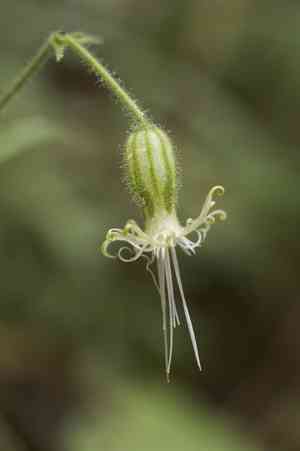
Lemmon's catchfly (Silene lemmonii)
Also known as: Lemmon's catchfly
Silene lemmonii is a perennial herb that grows multiple stems and shoots from a woody, branching base. These stems, which can be either leaning or upright, can reach lengths of up to 45 centimeters. They are covered in hairs, with the upper sections having glandular hairs.
In This Article
Attributes of Lemmon's catchfly
Lifespan
Perennial
Plant Type
Herb
Plant Height
10 to 30 centimeters
Spread
Not applicable, as it typically does not form a crown.
Leaf Color
Green
Flower Size
2 to 3 centimeters
Flower Color
Pink to red
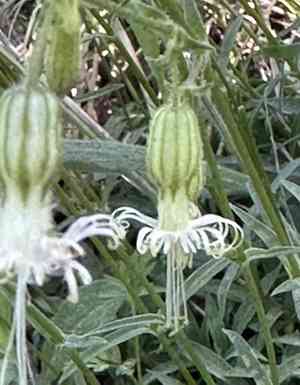
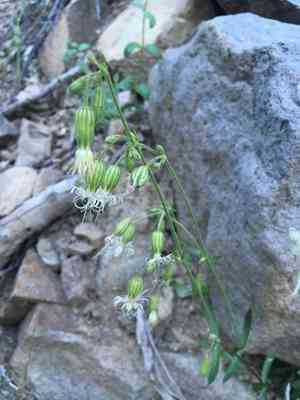
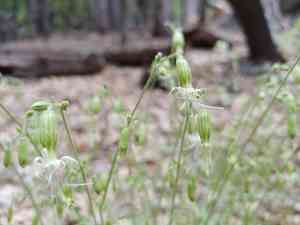
Images of Lemmon's catchfly
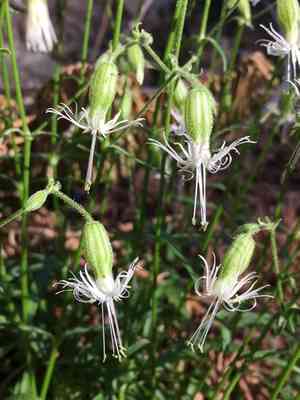
Quickly Identify Lemmon's catchfly
1
To identify Silene lemmonii, look for its glandular, sticky stems and leaves, along with its pink to red flowers that have deeply notched petals.
Scientific Classification of Lemmon's catchfly
Phylum
Vascular plants
Class
Dicotyledons
Order
Caryophyllales
Family
Pink
Genus
Campions
Species
Lemmon's catchfly
Planting and Growing of Lemmon's catchfly
Care Difficulty
Moderate
Watering Schedule
Every 3 days
Sunlight Requirements
Partial sun
Sunshine Duration
6-10 hours
Ideal Temperature
60-75℉
Soil Type
Potting Mix, Peat Mix
Soil pH
6.5-7.5
Fertilizer Type
Balanced
Pruning Season
Spring, Summer
Pruning Area
Branches, Leaves
Pruning Frequency
Once a year
Repotting Season
Spring
Pot Type
Plastic, Ceramic
 How to Water Lemmon's catchfly?
For Silene lemmonii, it's crucial to allow the top inch of soil to dry out between waterings. Ensure that water reaches the root system without leaving the soil soggy. This ensures moisture needs are met without waterlogging, which can be harmful.
What are the symptoms of an underwatered Lemmon's catchfly?
›
What should I do if my Lemmon's catchfly is not getting enough water?
›
What are the symptoms of an overwatered Lemmon's catchfly?
›
How to save an overwatered Lemmon's catchfly?
›
 What Are the Sunlight Requirements for Lemmon's catchfly?
Silene lemmonii thrives in partial to full sun, optimizing photosynthesis and growth. This ensures vibrant flowering and healthy plant development, leveraging natural sunlight effectively.
Question: What is the optimal lighting for Silene lemmonii?
›
Solution: How to ensure ideal lighting conditions for growth?
›
Benefit: What are the benefits of ideal lighting?
›
 What Is the Ideal Temperature Range for Lemmon's catchfly?
The ideal temperature range for growing Silene lemmonii is between 60°F to 75°F. This range allows the plant to thrive, ensuring optimal growth and flowering. Maintaining this temperature will create a conducive environment for cellular activities and metabolic processes necessary for its development.
 What Soil is Best for Lemmon's catchfly?
Silene lemmonii thrives in well-drained soil because it prevents root rot by allowing excess water to escape. This ensures that the roots receive the perfect balance of moisture and air, vital for healthy root systems. The plant prefers soil with moderate nutrient content, which provides essential minerals while avoiding excessive nutrients that can lead to leggy growth. This balance supports robust foliage and vibrant blooms. A soil with good aeration allows oxygen to reach the roots, which is crucial for cellular respiration and energy production. This oxygen flow fosters a thriving plant, promoting lush growth and resilience.
 How to Fertilize Lemmon's catchfly?
For Silene lemmonii, apply a liquid fertilizer diluted to half the recommended strength. This hardy perennial doesn't require heavy feeding, so a conservative approach helps avoid nutrient burn. An application of approximately 250ml of diluted liquid fertilizer per plant is adequate, ensuring it is distributed evenly around the root base.
 How to Prune Lemmon's catchfly?
Start by inspecting your Silene lemmonii for any dead or damaged stems. These should be the first to be removed to improve air circulation and redirect energy to healthier parts of the plant. To make your Silene lemmonii bushier, trim back the longest stems. Make your cuts just above a leaf node to encourage new branches. This will result in more blooms and a fuller appearance. While pruning, it's important to shape the plant for an aesthetic and balanced look. Trim back stems that disrupt the uniform shape, focusing on maintaining a compact growth habit.
More About Pruning Techniques→
 How to Propagate Lemmon's catchfly plant?
1
Begin by filling the seed tray with a high-quality seed-starting mix. Sow Silene lemmonii seeds on the surface and lightly press them into the mix. Keep the soil moist and place it in a warm, bright spot.
2
Select a healthy, non-flowering stem and cut a 4-6 inch piece below a node. Strip the leaves from the lower half and dip the end in rooting hormone. Plant the cutting in a pot filled with a moist, well-draining potting mix.
3
In early spring or summer, gently dig up a mature Silene lemmonii plant. Divide the root ball into smaller sections, ensuring each has healthy roots and shoots. Replant each division immediately at the same depth it was growing.
 How to Repot Lemmon's catchfly plant?
1
Silene lemmonii should be repotted when you notice that its roots are becoming too cramped in the current pot, or if the soil is not draining properly, indicating that the current soil is compacted and has lost its effectiveness. Ideally, this should be observed during early Spring or Autumn, seasons that provide moderate temperatures, facilitating better recovery.
2
Select a pot that is slightly larger than the previous one, ideally one or two inches in diameter larger. This helps prevent over-watering, as too much space can hold excessive moisture. Ensure it has good drainage holes to allow excess water to escape, keeping the roots healthy and preventing root rot.
3
Use a well-draining potting mix. A mix containing a combination of sandy soil and organic material such as perlite or pumice is ideal, as it will retain moisture without becoming waterlogged. This soil choice helps prevent root rot and encourages healthy, strong root growth that supports vibrant foliage and flower production.
Learn More About Lemmon's catchfly Diseases
Anthracnose
Bacterial Leaf Spot
Bacterial Soft Rot
Bacterial Wilt
Black Spot
Chemical Injury
Crown Gall
Cyst Nematode
Damping-off
Downy Mildew
Drought Stress
Fusarium Wilt
Gray Mold
Leaf Curl
Leaf Spot
Mosaic
Nutrient Deficiency
Nutrient Toxicity
Powdery Mildew
Root Rot
Root-knot Nematode
Rusts
Sooty Mold
Spider Mites
Temperature Stress
Thrips Damage
White Mold



