How to Transplant Sand catchfly?
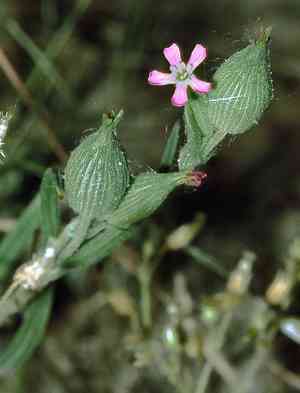
The optimal period for relocating sand catchfly spans from the refreshing onset of early spring through the lively stretch of late spring. This timeframe offers a combination of cool yet progressively warmer conditions, which are perfect for root development. Select a location bathed in sunlight with soil that drains effectively, and gradually introduce sand catchfly to outdoor conditions to facilitate its adjustment.
What Preparations are Needed Before Transplanting Sand Catchfly?
What is the Ideal Time for Transplanting Sand Catchfly?
The optimal period for relocating sand catchfly spans from early spring's awakening to the onset of summer's warmth. This timeframe offers mild temperatures and increased daylight, crucial for sand catchfly's development. Moving sand catchfly then leverages peak growing conditions, providing plants with nature's full support. This ensures robust root establishment before summer's intense heat, promoting a thriving and successful growth cycle for sand catchfly.
How Much Space Should You Leave Between Sand Catchfly Plants?
Greetings, aspiring gardener! For your sand catchfly, aim for a comfortable spacing of approximately 4-6 inches (10-15 cm) between plants. This allows each individual ample room to grow and flourish while maintaining sufficient proximity for an attractive display.
What is the Best Soil Mix for Sand Catchfly Transplanting?
To create an optimal environment for your sand catchfly, prepare a well-draining soil mixture, incorporating a small amount of compost or a mild, balanced base fertilizer. An 'Annuals' potting mix would be excellent, ensuring your sand catchfly receives the best possible start!
Where Should You Relocate Your Sand Catchfly?
When selecting a new home for your sand catchfly, choose a sunny spot where bright rays can energize it daily. These sun-loving plants thrive in direct sunlight, so a location with full sun exposure will ensure their utmost happiness!
What Equipments Should You Prepare Before Transplantation Sand Catchfly?
Gardening Gloves
To safeguard your hands while handling soil and plants.
Trowel
For excavating the transplant hole and assisting in the removal of the plant from its current container.
Watering Can or Hose
To irrigate the sand catchfly immediately following transplantation.
Spade or Garden Fork
For loosening the soil surrounding the plant when extracting it from the ground or a pot.
Pruning Shears
To trim any damaged roots or foliage prior to transplanting.
Measuring Tape
To ensure correct spacing between transplants and to determine the appropriate hole depth.
How Do You Remove Sand Catchfly from the Soil?
How Do You Remove Sand Catchfly from the Soil?
From Ground: Hydrate the sand catchfly plant to soften the soil, facilitating easier removal without root damage. Use a spade or garden fork to carefully dig around the plant, maintaining ample distance to avoid cutting the root ball, then gently lift the plant from the soil.From Pot: Invert the pot sideways, lightly tap the edges, and support the sand catchfly plant from its base while carefully sliding it out. If the plant is root-bound, you may need to gently loosen the roots before transplanting.From Seedling Tray: Water the tray to soften the soil around the seedling. Use a trowel or your fingers to carefully lift the sand catchfly plant by its leaves, not the stem, gently easing the root ball from the cell.
Step-by-Step Guide for Transplanting Sand Catchfly
Preparation
Gather all necessary tools and ensure the sand catchfly plant is thoroughly watered before beginning the removal process.
Removal
Depending on the sand catchfly plant's current location, follow the appropriate removal procedure to extract it with minimal root disturbance.
Hole Digging
Excavate a hole in the ground that is twice the width of the sand catchfly plant's root ball, but no deeper than its previous growing depth.
Placement
Carefully position the sand catchfly plant in the center of the hole, ensuring it stands upright and the top of the root ball is level with the surrounding soil surface.
Filling
Backfill the hole with soil, gently firming around the sand catchfly's base to eliminate air pockets without overly compacting the soil.
Watering
Generously water the sand catchfly plant immediately after transplanting to settle the soil and hydrate its roots.
How Do You Care For Sand Catchfly After Transplanting?
Watering
Provide the sand catchfly with consistent moisture, keeping the soil damp, especially during the initial weeks, to aid root establishment.
Mulching
Apply a layer of organic mulch around the sand catchfly to help retain soil moisture and regulate temperature.
Staking
If the sand catchfly is tall or appears unstable, use a stake for support until it develops a stronger root system.
Weeding
Regularly remove weeds around the sand catchfly to reduce competition for nutrients and water.
Troubleshooting Common Issues with Sand Catchfly Transplantation.
What's the best time of year to transplant sand catchfly?
Transplant sand catchfly during early to late spring, after frost has passed and the soil warms.
How far apart should sand catchfly be spaced when transplanting?
Space sand catchfly ideally 4-6 inches (10-15 cm) apart to ensure ample growth room.
What soil conditions favor the successful transplantation of sand catchfly?
Well-draining soil with moderate fertility is ideal for sand catchfly transplantation.
How deep should the holes be for transplanting sand catchfly?
Dig holes just deep enough for the roots to sit at the same level they were growing.
Can sand catchfly tolerate transplant shock? How to minimize it?
Yes, sand catchfly can experience transplant shock. Minimize by keeping roots undisturbed and watering after planting.
What's the best way to water sand catchfly after transplanting?
Water gently at the base to settle the soil around the roots without causing erosion.
Should I fertilize sand catchfly immediately after transplanting?
Wait a few weeks before fertilizing to allow sand catchfly to establish in the new location.
How do I know if sand catchfly is planted at the correct depth?
Ensure the root collar is just above soil level and the plant sits upright.
What signs indicate sand catchfly isn't thriving post-transplant?
Wilting, discolored leaves or lack of growth may indicate sand catchfly isn't adapting well.
Can sand catchfly be transplanted on a hot, sunny day?
It's best to transplant sand catchfly on a cloudy day or in the evening to reduce stress.



