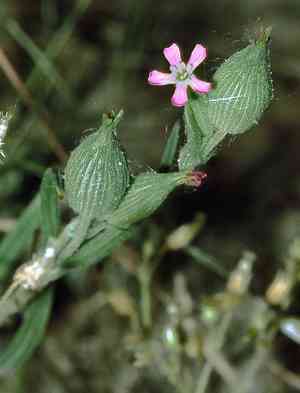
Sand catchfly (Silene conica)
Also known as: Conical catchfly
The sand catchfly, an endangered herbaceous annual in the UK, thrives in sandy, well-drained soils. Its sticky seed pods can trap small insects, and it requires hot summers for effective seed production.
In This Article
Attributes of Sand catchfly
Lifespan
Annual
Plant Type
Herb
Plant Height
15 cm to 60 cm
Spread
15 cm
Leaf Color
Green
Flower Size
1 cm to 1.5 cm
Flower Color
Red Purple
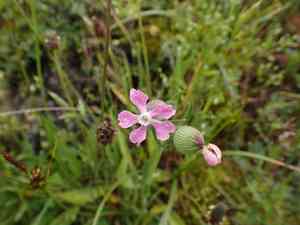
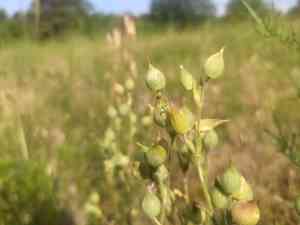
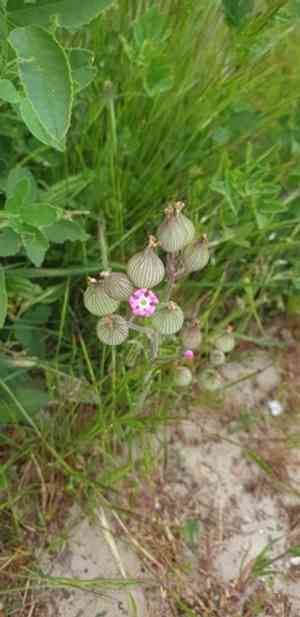
Images of Sand catchfly
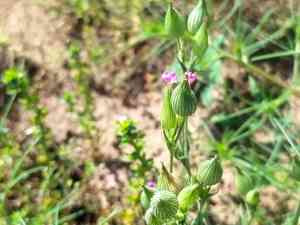
Quickly Identify Sand catchfly
1
To identify Silene conica, look for its distinctive conical calyx, hairy stems, and small, pink to reddish flowers. The leaves are narrow, lanceolate, and covered with glandular hairs.
Scientific Classification of Sand catchfly
Phylum
Vascular plants
Class
Dicotyledons
Order
Caryophyllales
Family
Pink
Genus
Campions
Species
Sand catchfly
Planting and Growing of Sand catchfly
Care Difficulty
Easy
Watering Schedule
Every 4 days
Sunlight Requirements
Full sun
Sunshine Duration
6-10 hours
Ideal Temperature
60-70℉
Soil Type
Potting Mix, Peat Mix
Soil pH
6.5-7.5
Fertilizer Type
Balanced
Pruning Season
Spring, Summer
Pruning Area
Branches, Leaves
Pruning Frequency
2 times a year
Repotting Season
Spring
Pot Type
Terracotta, Plastic
 How to Water Sand catchfly?
Silene conica, known for its attractive conical flowers, prefers consistent moisture but should not be waterlogged. Ensure that the soil is saturated evenly without leaving pools of water. A thorough soak of around 150 milliliters per session will usually suffice, fostering the plant’s growth without overwhelming its root system. Adjust based on the specific atmospheric conditions of your environment.
What are the symptoms of an underwatered Sand catchfly?
›
What should I do if my Sand catchfly is not getting enough water?
›
What are the symptoms of an overwatered Sand catchfly?
›
How to save an overwatered Sand catchfly?
›
 What Are the Sunlight Requirements for Sand catchfly?
Silene conica ideally grows in full sun or partial sun environments. Adequate light exposure ensures robust growth and vibrant flowering, optimizing photosynthesis and improving overall plant health.
What is the best light condition for Silene conica?
›
How can I ensure the plant gets ideal sunlight?
›
What benefits does ideal lighting provide Silene conica?
›
 What Is the Ideal Temperature Range for Sand catchfly?
The ideal temperature range for Silene conica ensures optimal growth and development. This temperature range, ideally between 60°F and 70°F, allows the plant to efficiently perform physiological functions such as photosynthesis and respiration. Staying within this band optimizes flowering and seed production, critical for this plant's life cycle.
 What Soil is Best for Sand catchfly?
Silene conica thrives in well-drained soils as they prevent water from pooling around the roots, which can lead to root rot. This type of soil ensures that the roots have optimal access to oxygen, promoting healthy growth and vibrant blooms. This plant is adapted to growing in nutrient-poor conditions. Excessive nutrients can lead to overgrowth of foliage at the expense of flowers. Therefore, less fertile soils are ideal, encouraging the plant to maintain its natural growth structure. Silene conica prefers soils with low organic content, which mimics its native environment. This prevents excessive moisture retention and supports an ecosystem balance beneficial for this plant, reducing the risk of fungal issues.
 How to Fertilize Sand catchfly?
For Silene conica, it's vital to maintain an optimal balance in fertilization. Use a balanced liquid fertilizer, diluting it at a ratio of 1:2 with water, ensuring the plant receives nutrients without risk of over-fertilization. For slow-release fertilizers, apply approximately 50 grams evenly spread around the plant's base to provide sustained nutrition.
 How to Prune Sand catchfly?
Silene conica is sensitive to excessive pruning. Cut back only a third of the plant's foliage at a time to prevent stress that may hinder its growth. Remove any dead or diseased stems and leaves immediately. This not only improves the plant's appearance but also reduces the spread of any potential plant diseases. Avoid pruning during extreme weather conditions. This plant is best pruned during mild weather, as extreme temperatures might shock the plant.
More About Pruning Techniques→
 How to Propagate Sand catchfly plant?
1
Begin by filling the seed tray with potting soil, then gently press Silene conica seeds onto the surface. Cover with a thin layer of soil or vermiculite. Water the seeds lightly but consistently to maintain soil moisture without causing waterlogged conditions.
2
Place the seed tray in a location that receives bright, indirect light. If natural light is insufficient due to seasonal variations, consider using grow lights to supplement. Proper light exposure aids seedling development and prevents leggy growth.
3
Once seedlings have developed several true leaves, they are ready to be transplanted into the garden or larger pots. Acclimate the young plants to outdoor conditions by gradually increasing their exposure to sunlight over a two-week period.
 How to Repot Sand catchfly plant?
1
Silene conica, the delicate sand catchfly, thrives when given new space to grow after being pot-bound. Signs such as roots poking through drainage holes or slowed growth are clear indicators that it's time to repot. Ideally, this should be done in the early spring before vigorous growth begins, ensuring the plant has a fresh environment to flourish.
2
Choosing the right pot for Silene conica is crucial for its growth. Select a pot one size larger than the current one, providing ample room for root expansion. Ensure the pot has adequate drainage holes to prevent waterlogging, which can lead to root rot. Terracotta pots are perfect due to their porous nature, allowing roots to breathe while keeping the soil aerated.
3
For Silene conica, a well-draining sandy soil is ideal, simulating its natural habitat. A mix with a combination of peat, sand, and a little amount of loam provides essential aeration and nutrients, promoting robust growth. Such a mix prevents water retention, reducing the risk of root rot and fungal infections.



