How to Prune Sand catchfly?
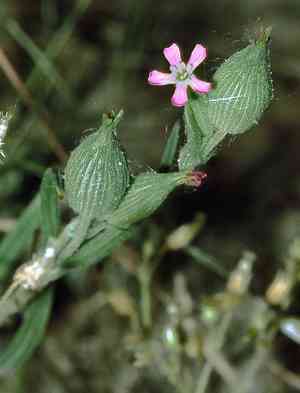
This perennial herb, recognized for its delicate stalks and tapered seed pods, flourishes with infrequent trimming. For sand catchfly, prompt removal of spent blooms following summer flowering encourages subsequent blossoms and inhibits uncontrolled seed dispersal. In spring, eliminate any withered or compromised leaves to sustain vitality. Autumn trimming is not mandatory, serving primarily to neaten the plant prior to its dormant phase. Consistent pruning aids sand catchfly by fostering more compact development and improving both its well-being and visual appeal.
What Are the Benefits of Pruning Sand Catchfly?
What Are the Benefits of Pruning Sand Catchfly?
Trimming sand catchfly promotes robust development and helps maintain its form, ensuring a dense and visually appealing structure. Such practices are crucial for the plant's vigor and decorative value.
What Is the Best Time for Pruning Sand Catchfly?
What Is the Best Time for Pruning Sand Catchfly?
Pruning or trimming sand catchfly during Spring is optimal as it encourages vigorous new growth after dormancy and removes any winter damage. Early Summer pruning, following initial flowering, stimulates a second bloom and aids in maintaining plant shape. Pruning in Late Fall prepares sand catchfly for winter by eliminating dead or diseased growth, lessening potential harm in cold weather.
What Tools Do I Need to Prune Sand Catchfly?
Bypass Pruners
Perfect for making clean and accurate cuts, which are necessary when trimming sand catchfly. They are effective for snipping off dead or overgrown stems without harming the plant's delicate structure.
Gardening Gloves
Although not a cutting implement, gloves are vital for safeguarding hands from thorns or rough plant material when pruning sand catchfly.
Handheld Shears
For shaping and managing the overall form of sand catchfly, especially useful if there is a need to cut multiple stems simultaneously.
How to Prune Sand Catchfly
Clean tools
Before beginning, disinfect your pruning shears with alcohol to prevent the spread of diseases to sand catchfly.
Identify withered
Examine sand catchfly carefully, focusing on locating withered or brown leaves that require removal.
Cut withered leaves
Using the sanitized shears, cut the withered leaves at their base where they connect to the stem or main plant body. Ensure clean cuts to avoid tearing the plant tissue.
Dispose withered
Gather the removed withered leaves and discard them properly to reduce the risk of disease or pests affecting sand catchfly.
Clean up
Clear the area around sand catchfly to promote good air circulation, which helps prevent fungal diseases and encourages healthy growth.
Common Pruning Mistakes with Sand Catchfly
Overpruning
Premature or excessive removal of foliage from sand catchfly, which can weaken the plant and lead to poor growth or reduced flowering.
Improper cut
Using dull or unclean tools to prune sand catchfly, which can lead to ragged cuts that heal poorly and increase the risk of disease.
Neglecting deadheading
Failing to remove spent blooms from sand catchfly, which can reduce blooming potential as the plant may focus energy on seed production.
Ignoring plant structure
Cutting without considering the natural form of sand catchfly, leading to an unnatural appearance and potential damage to its growth habit.
Pruning healthy growth
Removing healthy growth indiscriminately, which can stress sand catchfly and hinder its development.
Common Pruning Tips for Sand Catchfly
Use sharp tools
Always use sharp, clean pruning shears to make precise cuts on sand catchfly, which helps promote quick healing and reduces disease entry points.
Deadhead regularly
Promptly deadhead spent flowers on sand catchfly to encourage continued blooming and prevent the plant from putting energy into seed production.
Prune damaged parts
Prune away any dead or damaged stems on sand catchfly to maintain plant health and reduce the chance of disease or pest infestation.
Consider growth pattern
Understand the growth pattern of sand catchfly when pruning to maintain its natural shape and support robust growth.
Sterilize equipment
Sterilize pruning tools before and after use to prevent spreading pathogens to or from sand catchfly.
Follow natural shape
Prune sand catchfly by following its natural outline to avoid giving the plant an unnatural shape and to promote attractive, balanced growth.



