How to Transplant Foxtail Millet?
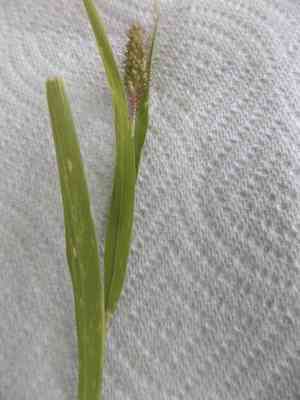
Spring, with its rejuvenation and warmth, offers an ideal period for relocating foxtail Millet, ensuring robust development. Select a location that receives ample sunlight and possesses good drainage to facilitate foxtail Millet's prosperity. Helpful tip: careful manipulation ensures a smooth adjustment.
Essential Preparations Before Relocating Foxtail Millet
Optimal Timing for Foxtail Millet Relocation?
The best period for moving foxtail Millet coincides with mild spring weather, which promotes vigorous development and root establishment. Introduce foxtail Millet to your garden at this point to take advantage of the gentle climate, ideal for seedling acclimation. This strategic timing utilizes longer days and increasing warmth, setting the stage for strong growth and, ultimately, abundant yields. Embrace this recommended window, ensuring a smooth transition that promises a thriving season for your foxtail Millet.
Recommended Spacing Between Foxtail Millet Plants?
For foxtail Millet, it's crucial to provide ample room for growth. Aim to position your plants approximately 1-2 feet (30-60cm) apart. This spacing helps ensure they receive adequate nutrients and water without competing excessively.
Ideal Soil Blend for Foxtail Millet Transplanting?
The soil for relocating foxtail Millet should be well-draining, with a loamy or sandy texture. Incorporating a base fertilizer such as compost or aged manure before planting helps create a fertile foundation for your plants. This will enrich the soil and stimulate their development.
Selecting the New Location for Your Foxtail Millet?
Foxtail Millet thrives with abundant sunlight, so select a sunny area in your garden for its new home. Approximately 6-8 hours of direct sun daily will provide optimal conditions for foxtail Millet to flourish.
Tools Required for Foxtail Millet Transplantation
Trowel
A small hand trowel is necessary for digging minor holes and extracting foxtail Millet from containers or trays.
Shovel
A full-sized shovel is required if foxtail Millet is currently in the ground and needs to be excavated.
Watering Can
To hydrate the plant before and after the relocation process.
Gardening Gloves
To safeguard your hands throughout the entire transplanting procedure.
Wheelbarrow or Cart
For moving the foxtail Millet plant if it is large or if the distance between locations is significant.
Bucket or Container
To temporarily hold the foxtail Millet plant during the transplant.
Garden Spade
For loosening the soil surrounding the plant.
Method for Extracting Foxtail Millet from the Soil
Method for Extracting Foxtail Millet from the Soil?
From Ground: First, thoroughly water the foxtail Millet plant to make the soil easier to manage. Next, using a shovel, dig a trench around the plant, ensuring the root ball remains intact. Work carefully to locate the main roots and minimize damage, then gently lift the plant from its original spot.\nFrom Pot: Begin by watering the foxtail Millet plant to facilitate its removal from the pot. Carefully tilt the pot sideways, supporting the plant and its root system. If the plant doesn't slide out easily, gently tap the pot's rim on a firm surface to aid extraction.\nFrom Seedling Tray: Water the foxtail Millet seedlings thoroughly first. Use a gardening trowel to carefully lift seedlings from their tray, making sure to lift by the root ball and not the stem. Be gentle as seedlings are very fragile.
Detailed Guide for Transplanting Foxtail Millet
Site Preparation
Prepare the new planting area by loosening the soil with a garden spade or tiller to a depth of about one foot. This will allow the foxtail Millet's roots to establish easily.
Hole Excavation
Using a trowel or shovel, dig a hole approximately twice the width and the same depth as the foxtail Millet plant's root ball.
Placement
Carefully position the foxtail Millet plant in the prepared hole. The top of the root ball (where roots meet the stem) should be level with or slightly below the ground surface.
Backfilling
Refill the hole with the same soil that was removed during digging. Gently firm the soil around the base of the foxtail Millet.
Hydration
Thoroughly water the foxtail Millet plant. This helps settle the soil and ensures good contact with the roots.
Post-Transplant Care for Foxtail Millet
Observation
Monitor your foxtail Millet closely after transplanting. Regular inspections can help identify any issues early, such as wilting leaves or discoloration.
Watering
Ensure the plant receives adequate water. For the initial week, water the foxtail Millet plant daily, then adjust frequency based on weather conditions.
Weed Control
Keep the transplant site free of weeds. They compete with the foxtail Millet for nutrients and water. Regular removal can aid the plant's establishment.
Protection
If weather conditions are unfavorable after transplantation, consider providing a protective cover or shade for a few days until the foxtail Millet plants adapt to their new environment.
Addressing Common Issues During Foxtail Millet Transplantation.
When is the best time to move my foxtail Millet seedlings?
The optimal time to transplant foxtail Millet seedlings is during seasons S1-S3, when temperatures are most conducive to growth.
What distance should I maintain between my foxtail Millet plants?
For optimal growth, keep a spacing of approximately 1-2 feet (30.5 - 61 cm) between your foxtail Millet plants.
What if my foxtail Millet plant wilts after relocation?
Don't be concerned, minor wilting post-transplant is normal due to stress. Ensure consistent watering without over-saturation, and your foxtail Millet should recover within a few days.
What kind of sun exposure does foxtail Millet require after transplanting?
Foxtail Millet needs full sun exposure but can tolerate some shade. However, excessive shade can hinder its growth and impact yield.
Can I grow foxtail Millet in a pot or container?
Yes, you can! Just ensure the pot is deep enough for foxtail Millet roots and provides optimal 1-2 feet (30.5 - 61 cm) space for plant growth.
Why are the leaves of my transplanted foxtail Millet turning yellow?
Yellowing leaves can indicate overwatering or a nutrient deficiency. Review your watering schedule and, if necessary, apply an appropriate plant fertilizer.
Is it necessary to prune my foxtail Millet plant after transplanting?
Foxtail Millet typically does not require extensive pruning after relocation. However, removing dead or diseased parts can promote healthier growth.
Do I need to use a specific soil type when transplanting foxtail Millet?
Foxtail Millet is a resilient plant and can thrive in various soil types. Nevertheless, well-drained soil enriched with organic compost yields the best outcomes.
How often should I water my foxtail Millet plant after transplanting?
Foxtail Millet has moderate water requirements. Water it regularly, but allow the soil to dry out slightly before the next watering to prevent waterlogging.
How long should I wait to fertilize my foxtail Millet after transplanting?
Allow your foxtail Millet approximately 2-3 weeks to establish in its new location before applying any fertilizer. This gives the roots time to recover and develop.



