The Foxtail Millet Plant Advantage: Maximizing Home and Office Appeal and Wellness
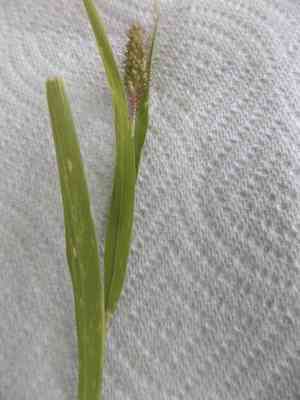
1
Foxtail Millet provides abundant vital nutrients such as iron, calcium, and various vitamins.
2
This cereal possesses a low glycemic index, rendering it appropriate for regulating blood sugar.
3
Foxtail Millet contains no gluten, presenting a superb substitute for individuals with gluten intolerance.
What Essential Nutrients Does Foxtail Millet Offer?
Abundant in Key Minerals
Foxtail Millet is a rich source of vital minerals, including iron, magnesium, and calcium. These minerals are crucial for maintaining strong bones, supporting muscle function, and boosting the immune system. Iron is essential for producing hemoglobin, which transports oxygen in the blood, while calcium and magnesium contribute to healthy bones and teeth.
Rich in Vitamins
Beyond minerals, Foxtail Millet also provides a good supply of various vitamins such as B-vitamins (B1, B2, B3, B5, and B6), vitamin E, and folic acid. These vitamins are vital for energy production, skin health, and proper nerve function. Folic acid makes Foxtail Millet especially beneficial for expectant mothers, as it aids in fetal development.
Why is Foxtail Millet Excellent for Blood Sugar Control?
Low Glycemic Index
Foxtail Millet possesses a low glycemic index (GI), meaning it releases glucose gradually into the bloodstream, preventing sudden increases in blood sugar levels. This characteristic makes it an ideal choice for individuals with diabetes or those aiming to manage their blood sugar through diet. Low GI foods can help maintain stable energy and reduce insulin resistance risk.
High Fiber Content
The significant fiber content in Foxtail Millet also plays a key role in blood sugar management. Dietary fiber slows down carbohydrate digestion and absorption, further stabilizing blood sugar levels. Additionally, fiber supports digestive health by preventing constipation and fostering a healthy gut microbiome.
How Does Foxtail Millet Aid in Weight Management?
Enhances Fullness
Eating Foxtail Millet can help you feel satisfied for longer, which is advantageous for weight management. The combination of fiber and protein in this grain increases satiety, reducing the likelihood of overeating. Including Foxtail Millet in your meals can assist in controlling portion sizes and curbing unhealthy snacking.
Low Calorie Count
Foxtail Millet is relatively low in calories compared to other grains, making it a smart choice for those looking to decrease their caloric intake without sacrificing nutritional value. Its nutrient density ensures you receive ample vitamins, minerals, and other vital nutrients, even when consuming fewer calories.
Why is Foxtail Millet Suitable for Gluten-Free Diets?
Naturally Gluten-Free
Foxtail Millet is inherently gluten-free, making it an excellent alternative for individuals with celiac disease or non-celiac gluten sensitivity. Gluten-free grains like Foxtail Millet can help diversify the diet and provide essential nutrients that might be missing in a gluten-free lifestyle.
Adaptable Culinary Uses
The versatility of Foxtail Millet allows it to be used in various cuisines and cooking methods. It can be incorporated into salads, soups, stir-fries, and even desserts. Its mild flavor and adaptable texture make Foxtail Millet a flexible ingredient in gluten-free cooking, enhancing both nutritional value and culinary creativity.
How to Integrate Foxtail Millet into Your Meals?
Breakfast Options
Begin your day with a nourishing breakfast by adding Foxtail Millet to your morning routine. You can prepare a hearty porridge, mix it into yogurt, or use it as a base for breakfast bowls with fruits, nuts, and seeds. The sustained energy release from Foxtail Millet will keep you energized throughout the morning.
Lunch and Dinner Ideas
For lunch and dinner, Foxtail Millet can serve as a substitute for rice, quinoa, or couscous. It pairs well with vegetables, meats, and legumes, allowing you to create balanced and flavorful meals. Try using Foxtail Millet in pilafs, grain salads, or as a stuffing for vegetables like bell peppers and tomatoes.
Is Foxtail Millet Environmentally Friendly?
Sustainable Crop
Foxtail Millet is known for its resilience to harsh environmental conditions, such as drought and poor soil quality. This resilience makes it a valuable crop for sustainable agriculture, as it requires fewer resources to grow compared to other grains. By choosing Foxtail Millet, you support farming practices that are environmentally friendly and contribute to food security.
Supports Biodiversity
Cultivating Foxtail Millet also promotes agricultural biodiversity. Incorporating diverse crops like Foxtail Millet into farming systems can reduce dependency on a few staple crops, enhancing ecosystem stability and providing more options for sustainable food production. This diversity is crucial in adapting to changing climate conditions and ensuring resilient food systems.



