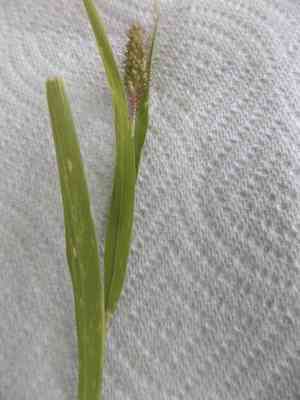
Foxtail Millet (Setaria italica)
Also known as: Foxtail Bristle-Grass, Green Foxtail, German Millet
Foxtail Millet (Setaria italica) is an annual grass reaching heights of 1.2 to 1.8 meters. This versatile crop is cultivated for its grain and forage, thriving even in poor soil conditions. Blooming occurs from summer through fall, with seeds maturing in the fall. The seeds, known for their sweet and savory flavor, can be cooked, ground into flour, or sprouted. Foxtail Millet prefers full sun and well-drained soil.
In This Article
Attributes of Foxtail Millet
Lifespan
Annual
Plant Type
Herb
Plant Height
1.2 m to 2 m
Spread
60 cm
Leaf Color
Green
Flower Size
1 cm to 5 cm
Flower Color
Yellow Green Brown
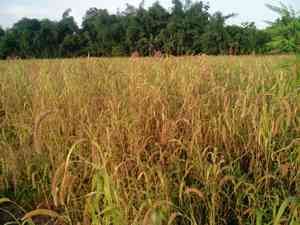
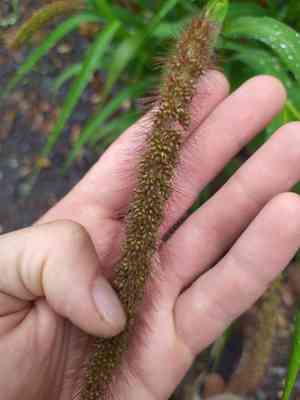
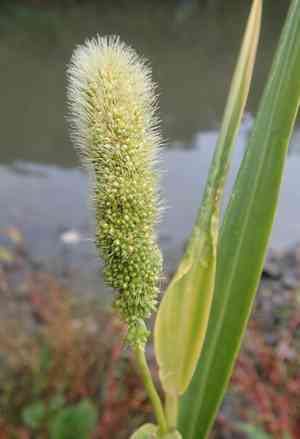
Images of Foxtail Millet
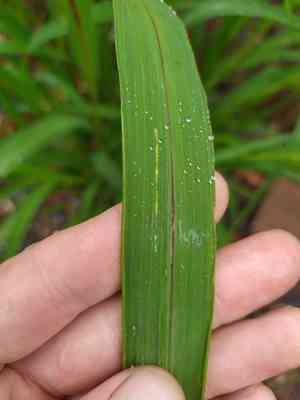
Quickly Identify Foxtail Millet
1
Foxtail millet can be identified by its slender, erect stems that can grow up to 1.5 meters tall. The leaves are linear and alternately arranged. The flower heads are dense, cylindrical panicles that resemble foxtails.
Scientific Classification of Foxtail Millet
Phylum
Vascular plants
Class
Monocotyledons
Order
Poales
Family
Grass
Genus
Bristle grasses
Species
Foxtail Millet
Planting and Growing of Foxtail Millet
Care Difficulty
Easy
Watering Schedule
Every 4 days
Sunlight Requirements
Full sun
Sunshine Duration
6-10 hours
Ideal Temperature
59-77℉
Soil Type
Potting Mix, Peat Mix
Soil pH
6.5-7.5
Fertilizer Type
Balanced
Pruning Season
Spring, Summer
Pruning Area
Branches, Leaves
Pruning Frequency
2 times a year
Repotting Season
Spring
Pot Type
Plastic, Ceramic
 How to Water Foxtail Millet?
Setaria italica prefers a moderate watering regime, meaning the soil should be kept consistently moist without becoming soggy. When watering, aim for about 500 ml per session, ensuring that the water penetrates the soil evenly. This will encourage healthy root growth and prevent waterlogging.
What are the symptoms of an underwatered Foxtail Millet?
›
What should I do if my Foxtail Millet is not getting enough water?
›
What are the symptoms of an overwatered Foxtail Millet?
›
How to save an overwatered Foxtail Millet?
›
 What Are the Sunlight Requirements for Foxtail Millet?
Setaria italica flourishes best with full to partial sun conditions. Ideal lighting promotes seed head richness, healthy strong stems, and overall plant robustness, ensuring bountiful yields.
More About Sunlight Requirements Techniques→
Optimal Light Quantity
›
Positioning for Sunlight
›
Benefits of Adequate Sunlight
›
 What Is the Ideal Temperature Range for Foxtail Millet?
The ideal temperature range for growing Setaria italica is between 59°F and 77°F. Within this range, the plant experiences optimal growth conditions, including proper enzyme function and metabolic activities. This temperature range helps ensure that the plant can grow efficiently without stress.
 What Soil is Best for Foxtail Millet?
Setaria italica thrives in soils that are rich in nutrients. This ensures the plant receives the necessary mineral intake for robust growth, particularly nitrogen which supports plant vigor and a healthy green appearance. The ideal soil for Setaria italica is well-drained to prevent waterlogging which can cause root rot. Proper drainage facilitates healthy root systems, promoting efficient nutrient uptake and stronger plant development. While drainage is crucial, the soil should retain enough moisture to keep the plant hydrated. This balance helps in maintaining optimum soil moisture levels, beneficial for consistent growth during drier spells.
 How to Fertilize Foxtail Millet?
For Setaria italica, ensure proper fertilization by applying a moderate amount. Use approximately 20-25 grams of liquid fertilizer per square meter, evenly spread, to support vigorous growth. Avoid over-fertilizing as it might lead to nutrient imbalance and potential harm to the plant.
 How to Prune Foxtail Millet?
Select tools like sharp pruning shears to ensure clean cuts and minimize plant damage. Clean tools with alcohol to prevent any spread of plant diseases. When pruning Setaria italica, target dead or dried stems first. Make your cuts at a slight angle, just above a node, to encourage new growth and maintain the plant’s natural shape.
 How to Propagate Foxtail Millet plant?
1
Start by preparing a well-draining soil mixture, rich in organic matter. Fill the seed trays with this mixture and ensure it is slightly moist before sowing the seeds.
2
Evenly distribute the Setaria italica seeds across the prepared trays, pressing them gently into the soil. Cover with a thin layer of soil to ensure good seed-to-soil contact and provide a dark environment conducive to germination.
3
Water the trays carefully to keep the soil consistently moist but not waterlogged. Use a spray bottle for gentle watering to avoid displacing seeds, and ensure trays are in a warm, brightly lit position but away from direct sunlight.
 How to Repot Foxtail Millet plant?
1
Recognize the signs for repotting your Setaria italica: the roots might start to circle inside the pot, emerging from the drainage holes, or the growth seems stunted even with good care. Choosing the right season, such as spring or summer, ensures the plant has the best chance to establish itself in its new environment.
2
Select a pot that's 1-2 inches larger in diameter than the current one to allow room for growth. A pot with drainage holes prevents waterlogging, ensuring healthy root growth and minimizing the risk of root rot. Additionally, a breathable material, such as terracotta, can help manage moisture levels effectively.
3
The soil should be a loamy, well-draining mix to support Setaria italica's growth. This kind of soil retains enough moisture for the roots but allows excess water to drain, preventing overwatering issues. A nutrient-rich soil mix will promote healthy, lush foliage.



