How to Transplant Siamese cassia?
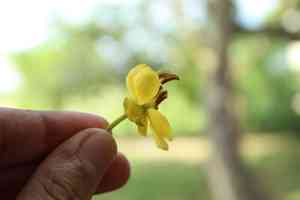
Relocating siamese cassia flourishes when performed from the conclusion of late frost until the onset of summer's heat, allowing roots to settle before intense temperatures. Choose sun-exposed areas with soil that drains effectively and provide ample room for development.
What Preparations are Needed Before Transplanting Siamese Cassia?
What is the Ideal Time for Transplanting Siamese Cassia?
For siamese cassia, the most favorable period for moving is during the lively energy of the spring season. Relocating at this point, when the sun gently warms the earth, promotes root establishment before summer's full arrival. Transplanting within this timeframe utilizes the mild temperatures and increasing daylight, which together stimulate robust growth while reducing stress on siamese cassia. By doing so, you provide siamese cassia the gentle encouragement it needs to thrive in its new spot, setting the stage for a successful growing period.
How Much Space Should You Leave Between Siamese Cassia Plants?
Let's give your siamese cassias ample room to flourish! Aim to position them approximately 13-20 feet (4-6 meters) apart. This provides sufficient space for development and ensures they won't compete for sunlight or nutrients.
What is the Best Soil Mix for Siamese Cassia Transplanting?
For thriving siamese cassias, prepare an area with soil that drains well. Enrich the ground with compost or a balanced slow-release fertilizerâthis will offer a robust foundation for your perennials to prosper in.
Where Should You Relocate Your Siamese Cassia?
Your siamese cassias love soaking up the sun! Select a spot that receives full sunlight for optimal growth. A location where they can enjoy at least 6 hours of direct sun daily is perfect.
What Equipments Should You Prepare Before Transplantation Siamese Cassia?
Gardening Gloves
To safeguard your hands while handling soil and plants.
Shovel or Spade
For digging out the plant and preparing the new planting hole.
Hand Trowel
Useful for more precise work around roots and in confined areas.
Watering Can or Hose
To hydrate the siamese cassia before and after its move.
Pruning Shears
For trimming any damaged roots or excessive foliage.
Wheelbarrow or Plant Dolly
To transport the siamese cassia if it is large or heavy.
Root Growth Hormone (optional)
To stimulate root development following transplantation.
How Do You Remove Siamese Cassia from the Soil?
How Do You Remove Siamese Cassia from the Soil?
From Ground: First, water the siamese cassia plant to moisten the soil, making it easier to manage. Using a shovel or spade, dig a wide trench around the plant, being careful not to harm the root ball. Gently insert the tool beneath the root system to free the plant from its original spot.From Pot: Begin by watering the siamese cassia, then turn the pot on its side, and tap the bottom to loosen the root ball. Carefully ease the plant out, ensuring you support the stem and root ball with your hands.From Seedling Tray: Water the tray to ensure the soil is damp and roots are simpler to extract. Use a hand trowel or fork to gently lift the young siamese cassia plant from its compartment without damaging the roots.
Step-by-Step Guide for Transplanting Siamese Cassia
Preparation
Water the siamese cassia thoroughly before beginning the transplant to minimize shock and make the roots more flexible.
Root Ball Care
Carefully extract the siamese cassia from its current location, preserving as much of the root ball as possible to protect the root system.
Pre-Transplant Pruning
Examine the root ball for any damaged or diseased roots and use the pruning shears to gently trim them away.
Transplant Hole
Dig a hole in the new location that is twice as wide and as deep as the root ball to allow for expansion and growth.
Placing siamese cassia
Position the siamese cassia plant in the center of the hole at the same depth it was originally growing. Align the plant upright for good posture and growth habit.
Backfilling Soil
Carefully return the soil around the root ball, gently compacting it to eliminate air pockets that could dry the roots.
Watering In
After planting, water the siamese cassia deeply to settle the soil around the roots and to help alleviate transplant shock.
How Do You Care For Siamese Cassia After Transplanting?
Initial Watering
Water the siamese cassia generously immediately after transplanting to settle the soil and provide moisture for the roots.
Mulching
Apply a layer of organic mulch around the base of the siamese cassia to retain soil moisture and regulate temperature fluctuations.
Pruning
Trim any damaged or dead branches to focus the siamese cassia's energy on establishing new roots rather than supporting unnecessary foliage.
Monitoring
Observe the siamese cassia closely for the first few weeks, watching for signs of stress such as drooping leaves or discoloration, and adjust care as needed.
Staking
If the siamese cassia is tall or top-heavy, provide support with stakes until it establishes strong enough to stand on its own.
Troubleshooting Common Issues with Siamese Cassia Transplantation.
What's the ideal time to transplant siamese cassia for best growth?
The optimal period for transplanting siamese cassia is from early to late spring, when temperatures are moderate.
How far apart should siamese cassia plants be spaced when transplanting?
Place siamese cassia plants approximately 13-20 feet (4-6 meters) apart to ensure proper growth and air circulation.
How deep should the hole be for transplanting siamese cassia?
Dig a hole about twice the root ball's width and the same depth to comfortably accommodate siamese cassia's roots.
Can transplant shock affect siamese cassia after moving it?
Yes, siamese cassia may experience transplant shock. Minimize stress by keeping the roots moist and undisturbed during relocation.
How much should I water siamese cassia after transplanting?
After transplanting, water siamese cassia generously to settle the soil around the roots, then regularly as needed, but avoid waterlogging.
What soil type is best for transplanting siamese cassia?
Well-draining soil rich in organic matter is ideal for siamese cassia to establish a strong root system after transplanting.
Should I fertilize siamese cassia immediately after transplanting?
Wait a few weeks after transplanting before fertilizing siamese cassia to allow it to settle and start new growth.
How much sunlight does siamese cassia need after transplanting?
Place siamese cassia in a location where it can receive full sun to partial shade to support healthy development post-transplant.
What is the correct way to handle siamese cassia's roots when transplanting?
Carefully spread out siamese cassia's roots in the hole without bending them. Make sure they have good soil contact.
When can I expect siamese cassia to fully recover from transplanting?
With proper care, siamese cassia should establish within a few weeks, showing signs of growth, indicating recovery from transplanting.



