How to Propagate Siamese cassia?
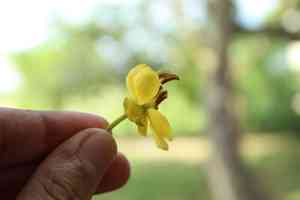
Hailing from tropical regions, siamese cassia stands as a resilient and adaptable shrub, recognized for its abundant leaves and vibrant yellow blossoms. Its propagation is most effectively achieved by planting its seeds, ideally sourced from mature pods. To ensure successful germination, an initial seed preparation is necessary; steeping them in warm water overnight significantly boosts their sprouting potential. Sow the seeds in soil that drains efficiently and maintain steady hydration. Given proper attention, young plants will appear, prepared for relocation to encourage their development into sturdy specimens.
When Is the Best Time to Propagate Siamese Cassia?
Propagation Method
Cutting
Propagation Period
Autumn,Winter
What Tools Are Used for Siamese Cassia Propagation?
Sharp Pruning Shears
These are crucial for making clean, precise cuts, which are essential for healthy siamese cassia cuttings. Sharp cuts prevent stem crushing or tearing, which can introduce pathogens and hinder rooting.
Rooting Hormone
This compound promotes root growth from the cutting's end, increasing the likelihood of successful propagation. Rooting hormone is especially beneficial for siamese cassia, encouraging faster establishment and robust root systems.
Sterile Potting Mix
A well-draining and sterile medium is vital for rooting siamese cassia cuttings. It minimizes the risk of fungal and bacterial infections, which can be detrimental during the delicate phase of root development.
Humidity Dome or Plastic Cover
Maintaining a high humidity environment is critical for siamese cassia cuttings to prevent excessive moisture loss. A humidity dome or a simple clear plastic cover over the planting container helps maintain the necessary humidity levels.
Heat Mat
For siamese cassia, maintaining a consistent and suitable temperature around the rooting zone can greatly enhance the rooting success rate. A heat mat helps in providing steady warmth, especially useful in cooler climates or during colder periods.
How to Propagate Siamese Cassia?
Propagation Difficulty
Moderately Difficult
How to Care for Your Newly Propagated Siamese Cassia?
How to Care for Your Newly Propagated Siamese Cassia?
After propagation, siamese cassia needs a sunny location and regular watering to thrive. Prevent waterlogging by ensuring good drainage in the pot or ground. Fertilize monthly with a balanced, slow-release fertilizer. Prune regularly to encourage branching and maintain the desired shape. Protect from cold temperatures and frost, as siamese cassia is sensitive to harsh conditions.
Common Mistakes to Avoid When Propagating Siamese Cassia
Overwatering during propagation
Excessive watering can lead to root rot or fungal growth, severely impacting root development in siamese cassia saplings. Too much moisture in the soil hinders proper air circulation around the roots, making them more susceptible to diseases.
Planting seeds too deep
When siamese cassia seeds are planted too deeply, they may not receive enough light to germinate properly or might not be able to break through the soil surface, leading to lower germination rates.
Using non-sterile tools and containers
Contaminated tools and containers can introduce pathogens to siamese cassia cuttings or seedlings, resulting in infections that could hinder growth or even kill the propagating plants.
Tips For Propagating Siamese Cassia
Sterilize tools and containers
Before starting propagation, ensure all tools and containers are sterilized to prevent disease spread. This helps establish a healthier growth environment for siamese cassia.
Proper soil mix
Use a well-draining soil mix rich in organic matter, which supports siamese cassia growth by providing necessary nutrients and preventing waterlogging.
Appropriate watering
Water siamese cassia appropriately, allowing the soil to dry slightly between watering sessions. This helps prevent issues like root rot, promoting healthier root development and growth.



