How to Transplant Coffee senna?
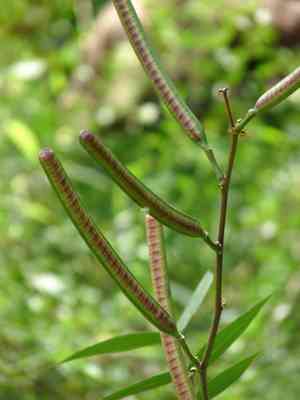
For optimal results, relocate coffee senna in the balmy period from late spring to early summer, which encourages vigorous development. Select a location that receives ample sunlight and possesses soil with good drainage. Handle the root system delicately to promote successful establishment.
Essential Preparations Before Relocating Coffee Senna
Optimal Timing for Moving Coffee Senna?
Ideally, move your coffee senna to its new spot during the pleasant warmth of late spring or the beginning of early summer. This period offers the plant ample time for development and mild weather, supported by increasing daylight and consistent temperatures, which aids root establishment before the intensity of peak summer heat. This approach promotes vigorous growth, enabling coffee senna to flourish and fully utilize the growing season.
Recommended Spacing Between Coffee Senna Plants?
For new gardeners, begin by preparing ample areas for coffee senna! Aim for a separation of approximately 2-3 feet (about 60-90 cm) between each plant. This ensures coffee senna has adequate room to expand without competing for sunlight or nutrients.
Best Soil Mixture for Coffee Senna Relocation?
Remember, coffee senna thrives in soil that drains well. A loose, sandy or loamy type would be perfect. Before planting, enrich the soil with compost or a slow-release granular fertilizer to supply the vital nutrients coffee senna requires for growth.
Where to Position Your Coffee Senna?
Coffee senna thrives in full sun. Therefore, choose a garden spot that receives abundant sunlight for most of the day. This will ensure your coffee senna grows healthily and produces beautiful flowers.
Tools Required Before Moving Coffee Senna
Gardening Gloves
To safeguard your hands while handling the plant and soil.
Shovel or Spade
Necessary for digging suitable holes for both removing and replanting coffee senna.
Knife or Pruning Shears
May be needed to carefully trim any damaged roots.
Watering Can or Hose
Used for hydrating the plant before and after its relocation.
Organic Matter or Compost
To enhance the soil quality in the new location.
Wheelbarrow or Container
To transport the plant and to hold it while preparing the new hole.
Gardening Fork
Helps to loosen the soil around the root ball during the extraction process.
How to Extract Coffee Senna from the Soil?
How to Extract Coffee Senna from the Soil?
From Ground: Water the coffee senna plant generously the day before transplanting to make the soil moist and easier to dig. Carefully dig around the plant using a spade or shovel, ensuring the plant's root ball remains as intact as possible. Gently lift the plant from its original spot and place it in a wheelbarrow or container.From Pot: Water the coffee senna plant thoroughly before the transplanting process. Tilt the pot sideways and apply gentle pressure on the sides of the pot to loosen the plant. Then carefully slide out the plant while keeping the root ball intact.From Seedling Tray: Using a small spoon or fork, carefully lift out the seedling, trying to preserve as much of its root structure as possible. Place the seedling into a small container or cup to facilitate transportation to the transplantation site.
Step-by-Step Guide for Relocating Coffee Senna
Preparation
Prepare the new planting site before extracting the coffee senna plant from its current location. The hole should be twice as wide as the root ball and approximately the same depth. Add a layer of organic matter or compost into the hole and mix it with some of the existing soil.
Removal
Refer to the previous removal instructions based on your situation. After removal, place the plant in the pre-dug hole.
Planting
Ensure the top of the root ball is level with, or slightly below, the ground surface. Fill in around the root ball with the excavated soil. While backfilling, gently firm the soil to eliminate any air pockets around the roots.
Watering
Water the plant immediately after transplanting. Use a watering can or a hose to gently irrigate the base of the plant, thoroughly soaking the soil.
Post-Transplant Care for Coffee Senna
Watering
For the initial few weeks after transplanting, water the coffee senna plant regularly, but be careful not to over-water. The soil should be moist but not waterlogged.
Pruning
If the coffee senna plant is mature, consider a light pruning to reduce its water demand while it establishes itself in its new location.
Monitoring
Closely observe the plant's health. If it shows signs of transplant shock, such as wilting or yellowing leaves, ensure it's receiving proper care and consider seeking advice from a local nursery or extension service.
Mulching
Applying a layer of organic mulch around the base of the plant can help retain soil moisture and suppress weed growth. Make sure the mulch doesnât touch the plant stem to prevent rotting.
Addressing Common Issues with Coffee Senna Transplantation.
When is the best time to transplant coffee senna?
The optimal season to transplant coffee senna is during S3-S4, which is ideal as it allows the plant to establish roots before the main growth period.
What is the ideal spacing for coffee senna when transplanting?
To provide coffee senna with sufficient room to grow, position each plant 2-3 feet (60-90 cm) apart. This spacing ensures ample growth and overall plant health.
How deep should the hole be for transplanting coffee senna?
Dig a hole that is twice the width and the same depth as the root ball. This provides the roots with space to spread and establish.
Do I need to prepare the soil before transplanting coffee senna?
Absolutely. Enriching the soil with compost or well-rotted manure will significantly benefit the growth and health of coffee senna after transplantation.
Why are the leaves of my transplanted coffee senna turning yellow?
Yellow leaves can indicate excessive watering. Check the soilâs moisture levels and adjust your watering schedule accordingly for coffee senna's healthy growth.
Is it necessary to prune coffee senna before the transplant?
It's not mandatory, but trimming back about one-third of the plant can help reduce transplant shock, allowing coffee senna to establish better in its new spot.
Why are the leaves of my coffee senna plant wilting after transplantation?
Wilting may indicate transplant shock. Be sure to water the coffee senna generously after transplanting and provide shade to alleviate stress.
How often should I water coffee senna after transplantation?
Water coffee senna thoroughly after transplanting. Afterward, maintain moist soil without saturating it. The frequency depends on the local climate and soil type.
What sort of pot should I use if I am transplanting coffee senna indoors?
Use a pot with a diameter at least twice as large as the root ball. It should have excellent drainage to prevent waterlogged roots.
Can coffee senna handle transplanting shock, and how can it be reduced?
Like many plants, coffee senna can experience transplanting shock. To minimize this, avoid transplanting during extreme temperatures and water thoroughly immediately after transplanting.



