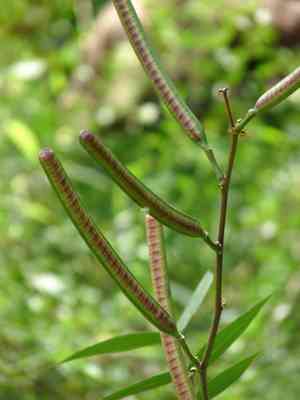
Coffee senna (Senna occidentalis)
Also known as: Mogdad Coffee, Stephanie Coffee, Styptic weed, Coffeeweed
Coffee Senna (*Senna occidentalis*) is a perennial shrub that thrives in warm, humid climates. Often found in open woodlands, waste areas, and along roadsides, this plant is sometimes regarded as an invasive species. It features yellow blossoms in the spring and produces brown fruit by late summer to early fall. The seeds of Coffee Senna can be roasted and used as a caffeine-free coffee alternative.
Attributes of Coffee senna
Images of Coffee senna
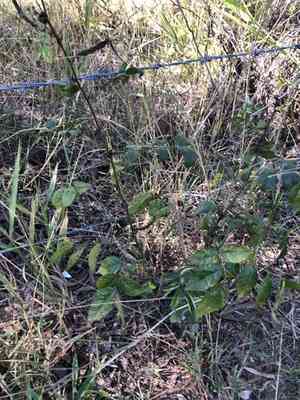
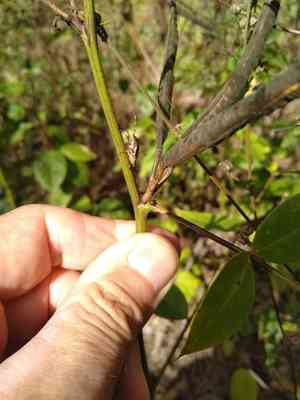
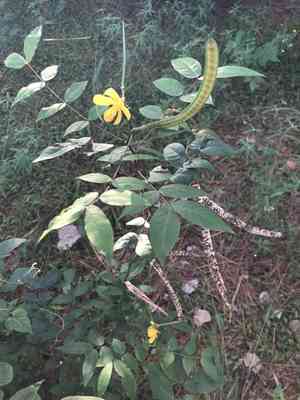
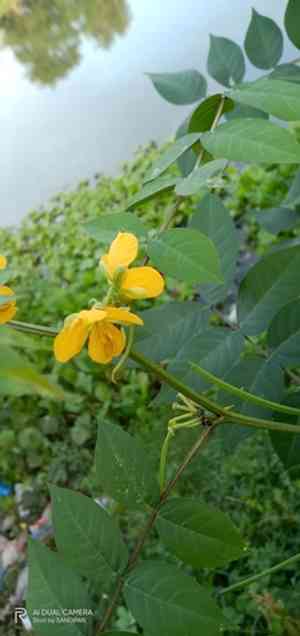
Quickly Identify Coffee senna
Scientific Classification of Coffee senna
Planting and Growing of Coffee senna
 How to Water Coffee senna?
 What Are the Sunlight Requirements for Coffee senna?
 What Is the Ideal Temperature Range for Coffee senna?
 What Soil is Best for Coffee senna?
 How to Fertilize Coffee senna?
 How to Prune Coffee senna?
 How to Propagate Coffee senna plant?
 How to Repot Coffee senna plant?
Toxicity of Coffee senna
Is Coffee senna toxic to humans?
Coffee senna presents a significant health hazard for humans, as every part of the plant, especially the seeds, is toxic when consumed. This plant contains powerful anthraquinones, such as chrysophanol, emodin, and physcion, along with toxalbumins, which contribute to its elevated toxicity levels. Ingestion of these compounds can lead to severe symptoms including gastrointestinal upset, liver and kidney damage, and potentially life-threatening conditions. The intensity of these symptoms can differ based on the quantity ingested, but even minimal amounts can be dangerous. It is imperative to prevent accidental consumption of any part of coffee senna to mitigate the risk of severe poisoning.
Is Coffee senna toxic to cat?
Coffee senna represents a serious toxicity hazard for cats. If accidentally consumed, every part of the coffee senna plant, especially the seeds, can be extremely toxic. Exposure to coffee senna might result in signs of severe distress, including gastrointestinal problems or neurological symptoms. Because it contains anthraquinones and toxalbumins, coffee senna poses a substantial risk of poisoning, necessitating vigilance from cat owners. Prompt veterinary care is essential for effectively addressing a cat's recovery from potential poisoning caused by coffee senna.
Is Coffee senna toxic to dog?
The coffee senna plant represents a significant toxicity threat to dogs. Canines may inadvertently consume parts of the plant, resulting in poisoning. Every part of the coffee senna is toxic, and the seeds are especially dangerous. Signs of poisoning in dogs can manifest as gastrointestinal disturbances, fatigue, a general lack of energy, and potentially more severe clinical symptoms based on the quantity ingested. If you believe your dog has ingested any part of the coffee senna, it is critical to obtain prompt veterinary attention to manage the possible health risks.



