How to Prune Coffee senna?
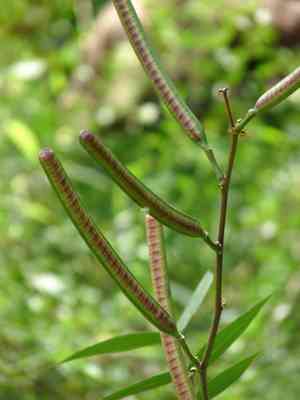
A shrub from the legume family, recognized for its yellow blossoms and poisonous characteristics, coffee senna thrives with judicious trimming. Eliminate deceased or diseased limbs at any point, and sculpt the bush from spring through early autumn. Consistent cutting manages its expansion, encourages blooming, and preserves the plant's well-being. Refrain from significant pruning late in the year to safeguard delicate new shoots from frost harm. Always don protective gloves; coffee senna possesses substances detrimental upon skin contact or consumption.
What Are the Benefits of Pruning Coffee Senna?
What Are the Benefits of Pruning Coffee Senna?
Trimming coffee senna encourages robust development and maintains its desired form, resulting in a compact, thriving plant better equipped to resist pests and illnesses.
What Is the Best Time for Pruning Coffee Senna?
What Is the Best Time for Pruning Coffee Senna?
Pruning coffee senna in spring is optimal as the plant enters a growth phase, allowing for rapid recovery and energy redirection to new shoots. Early summer trimming aligns with the post-bloom period, reducing stress on coffee senna and boosting next season's growth. Late fall permits the removal of spent or damaged growth after the primary growing season, preparing coffee senna for winter dormancy without risking new growth susceptible to cold damage.
What Tools Do I Need to Prune Coffee Senna?
Hand Pruners
Perfect for precise trimming and shaping of coffee senna, especially for removing small branches and twigs under 3/4 inch in diameter.
Lopping Shears
Effective for cutting through thicker coffee senna branches that hand pruners can't manage, suitable for branches up to about 1 1/2 inches in diameter.
Pruning Saw
Essential for larger branches exceeding 1 1/2 inches thick. A fine-toothed pruning saw ensures clean cuts without tearing plant tissue.
Gloves
To safeguard hands from thorns and sharp edges while pruning coffee senna.
Pruning Sealer
To shield cut surfaces on coffee senna from diseases and pests post-pruning. While not always advised, it can be beneficial in specific situations or for certain cuts.
How to Prune Coffee Senna
Disinfect Tools
Before beginning, sanitize all pruning tools to prevent disease transmission to coffee senna.
Identify
Examine coffee senna and pinpoint all withered leaves that require removal. These are typically dry, brown, and may be brittle.
Cut
Using sharp pruning shears, make clean cuts to remove the withered leaves. Cut close to the stem, but be careful not to harm new growth or healthy tissue.
Dispose
Remove and discard all withered leaves from the area to minimize the risk of disease or pest infestation.
Sanitize
After pruning coffee senna, clean and sanitize the tools again to prevent cross-contamination before storing them.
Common Pruning Mistakes with Coffee Senna
Overpruning
Cutting back coffee senna too severely can shock the plant, potentially hindering its growth or leading to a weaker plant more vulnerable to diseases and pests.
Improper Tool Use
Using dull or dirty pruning tools on coffee senna can result in jagged cuts more susceptible to infection, and spread disease from previously pruned plants.
Pruning Healthy Growth
Removing healthy leaves and branches without cause could limit coffee senna's photosynthetic capacity and reduce its overall vigor.
Ignoring Diseased Limbs
Failing to remove diseased or damaged tissue promptly can allow problems to worsen, impacting the health of coffee senna.
Topping
Cutting off the plant's top, or 'topping', can disfigure coffee senna and impede its natural growth pattern, potentially leading to a weaker structure.
Common Pruning Tips for Coffee Senna
Sanitize Tools
Before starting, ensure all cutting implements are clean and sharp to make precise cuts and prevent disease spread to coffee senna.
Selective Pruning
Focus on removing only dead or diseased branches, as well as any that are crossing or growing inward, to enhance the structure and health of coffee senna.
Cutting Angle
When removing branches, make cuts at a 45-degree angle, sloping away from the bud, to encourage proper healing and prevent water accumulation on coffee senna.
Observation
Regularly inspecting coffee senna will help determine when pruning is necessary. Look for signs of disease or distress as an indicator.
Progressive Pruning
For coffee senna's health and shape, prune gradually throughout its growth period instead of all at once, to avoid excessive stress on the plant.
Growth Patterns
Understand the growth habits of coffee senna to prune in a way that promotes the plant's natural form and maximizes flowering.



