How to Transplant Wright acacia?
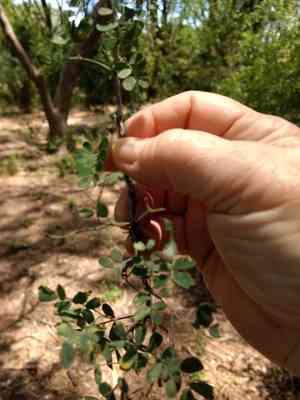
For the best development of wright acacia, relocate it preferably from late spring to early summer. Select a bright, adequately drained spot to guarantee the plant flourishes. To achieve superior outcomes, manage it gently to prevent harm to its root system.
What Preparations are Needed Before Transplanting Wright Acacia?
What is the Ideal Time for Transplanting Wright Acacia?
The optimal period to relocate wright acacia, a perennial, is from late spring to early summer when ground temperatures are warm and root development is at its peak. Moving the plant during this window aids in more effective establishment, preventing stress from extreme temperatures and boosting survival rates. Correct timing ensures successful adaptation to its new setting.
How Much Space Should You Leave Between Wright Acacia Plants?
When relocating wright acacia, ensure a separation of 15-20 feet (4.5-6 meters) between them. This provides ample room for growth and promotes good air circulation, which is vital for their well-being.
What is the Best Soil Mix for Wright Acacia Transplanting?
Prepare a well-draining sandy or loamy soil mixture for wright acacia. Incorporate compost or a balanced base fertilizer prior to planting to supply essential nutrients. This promotes robust root development and overall plant vigor.
Where Should You Relocate Your Wright Acacia?
Select a sunny spot for wright acacia as this plant thrives in full sun. Aim for a minimum of 6 hours of direct sunlight daily to support vigorous growth and blooming.
What Equipments Should You Prepare Before Transplantation Wright Acacia?
Gardening Gloves
To safeguard your hands while handling soil and the plant
Shovel or Spade
For excavating around and extracting the plant
Pruning Shears
To trim any damaged or excessively long roots
Watering Can or Hose
For keeping the soil hydrated during and after the process
Wheelbarrow
To safely transport the plant to its new position
Stake and Ties
To provide support for the wright acacia plant in its new location if necessary
Mulch
To help retain moisture and regulate soil temperature
How Do You Remove Wright Acacia from the Soil?
How Do You Remove Wright Acacia from the Soil?
From Ground: First, hydrate the wright acacia plant to moisten the soil. Then, excavate a wide trench around the plant using a shovel or spade, ensuring the plant's root ball remains intact. Carefully work the spade beneath the root ball to lift the plant from its original spot.From Pot: Gently tap the pot's sides to loosen the soil. Carefully tilt the pot and slide the plant out, supporting the stem's base while keeping the root ball whole. If roots are congested, gently untangle them with your fingers.From Seedling Tray: Water the trays to facilitate removal. Use a dibber or a small tool to gently lift the seedling along with its surrounding soil. Ensure you hold the seedling by the leaves or roots, not the delicate stem.
Step-by-Step Guide for Transplanting Wright Acacia
Site Preparation
Dig a hole in the chosen spot that is twice as wide and the same depth as the wright acacia plant's root ball.
Amend the Soil
Place some compost or organic material into the bottom of the hole to supply nutrients and enhance drainage.
Planting Depth
Position the wright acacia plant in the hole so that the top of its root ball is level with the surrounding ground.
Fill in Soil
Gently backfill the hole with soil, ensuring no air pockets remain around the roots. Lightly press the soil down to secure the plant.
Water the Plant
Thoroughly water the plant immediately after planting to help settle the soil around its roots.
Add Mulch
Apply a layer of mulch around the plant's base to help retain moisture and regulate soil temperature.
Staking (if necessary)
If the plant is tall or the area is windy, use stakes and ties to support the wright acacia plant until it is established.
How Do You Care For Wright Acacia After Transplanting?
Watering
Keep the soil around the wright acacia consistently moist, but not waterlogged, for the initial weeks post-transplant to aid in developing strong roots.
Monitoring
Regularly inspect the plant for any indications of stress or pest problems, and address them promptly.
Pruning
Remove any damaged or dead branches to help the plant direct its energy towards new growth.
Weed Control
Keep the area surrounding the wright acacia free of weeds to lessen competition for nutrients and water.
Fertilizing
After a few weeks, consider applying a balanced fertilizer to support the plant's growth.
Troubleshooting Common Issues with Wright Acacia Transplantation.
What's the ideal time for transplanting wright acacia?
The best time to transplant wright acacia is mid-spring to mid-summer for optimal growth.
What spacing should be maintained for wright acacia?
Ensure a spacing of 15-20 feet (4.5-6 meters) between plants for healthy development.
How can I prepare the soil before transplanting wright acacia?
Loosen the soil 12 inches (30 cm) deep, and add compost for better root establishment.
What is a crucial step to avoid transplant shock for wright acacia?
Water the plant thoroughly before and after transplanting to help it acclimatize to new conditions.
How should I handle the root ball when transplanting wright acacia?
Carefully lift the root ball intact to minimize root damage and ensure smooth transplanting.
Should I prune wright acacia before transplanting?
Lightly prune any damaged branches to reduce stress and encourage healthy regrowth post-transplant.
How deep should I dig the hole for wright acacia when transplanting?
Dig a hole twice the width and the same depth as the root ball for wright acacia.
How can I support wright acacia after transplanting?
Use stakes to support the plant and prevent it from tipping over in strong winds.
What should I do if wright acacia shows signs of wilting post-transplant?
Increase watering frequency and provide shade, but ensure the soil drains well to avoid waterlogging.
How can I ensure wright acacia establishes well in its new location?
Maintain a consistent watering schedule and mulch around the base to retain soil moisture.



