How to Propagate Wright acacia?
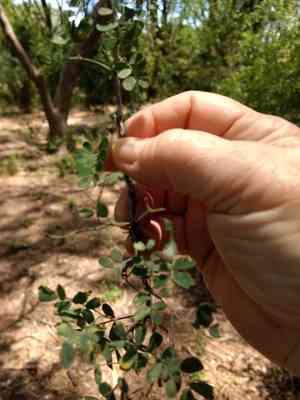
Acacia wrightii flourishes in adequately drained substrates exposed to ample sunlight. New seeds benefit from a brief scarification process, like making a small cut or immersing them in warm water, to aid sprouting. Plant the seeds superficially in a seed-starting blend, ensuring the medium remains uniformly damp without becoming saturated. Position the plants in a spot with sufficient air circulation to deter fungal infections. After they are well-rooted, young plants can be moved to their final growing site.
Optimal Time for Wright Acacia Propagation
Propagation Method
Seeding
Propagation Period
Spring
Tools for Wright Acacia Propagation
Scarification implements
Implements like sandpaper or a small file can be utilized to gently abrade the seed coat of wright acacia to assist in water uptake, as wright acacia seeds possess a hard exterior layer.
Seedling containers
Employing seedling containers with proper drainage enables an organized and regulated setting for the initial phases of wright acacia seed propagation. Select trays with individual compartments to prevent root disturbance.
Humidity covers
These covers aid in establishing a greenhouse-like atmosphere by sustaining elevated humidity levels, which is vital for the germination of wright acacia seeds and safeguarding them from drying out.
Seedling warming mat
A seedling warming mat delivers consistent warmth to the seeds, ensuring ideal soil temperature for wright acacia germination, which can hasten the process and enhance germination success rates.
Watering can with fine spray
To guarantee gentle and uniform watering without disrupting the soil or seeds, a watering can equipped with a fine spray attachment is advised, helping maintain consistent soil moisture for wright acacia.
Clear propagation bags
Following sowing, seed trays can be enveloped with clear propagation bags to preserve humidity and shield young wright acacia seedlings from abrupt temperature shifts. Ensure ventilation to deter mold growth.
Temperature gauge
A soil temperature gauge assists in monitoring the temperature to confirm it remains within the optimal range for wright acacia germination, preventing conditions that are excessively hot or cold.
Propagating Wright Acacia
Propagation Difficulty
Simple
Post-Propagation Care for Wright Acacia
Post-Propagation Care for Wright Acacia
Once the seedlings have developed several true leaf sets, transfer them into individual pots containing well-draining soil. Gradually introduce the seedlings to outdoor conditions by exposing them to direct sunlight for progressively longer durations daily. Water the young plants regularly, but permit the soil to dry out slightly between waterings. As the plants mature, reduce water to encourage drought tolerance. Provide frost protection in colder climates and monitor for pests and diseases.
Common Errors to Avoid When Propagating Wright Acacia
Excessive Watering
Too much water can lead to root rot, which significantly impedes the growth and vitality of wright acacia.
Inappropriate Soil
Utilizing heavy or clay-based soils can hinder adequate drainage, resulting in root suffocation and poor root development.
Incorrect Light Exposure
Placing wright acacia in too much shade can diminish the plant's energy for growth, while excessive direct sunlight can scorch young cuttings or seedlings.
Lack of Seed Scarification
Failing to scarify the seeds prior to planting can result in low germination rates, as wright acacia's seeds possess a tough outer shell that inhibits water absorption.
Advice for Propagating Wright Acacia
Watering Practices
Only water wright acacia when the top inch of the soil feels dry to the touch. Ensure well-draining soil to prevent waterlogging.
Soil Selection
Employ a sandy or loamy soil mix to facilitate proper drainage. Incorporating perlite or coarse sand can enhance soil aeration.
Light Conditions
Position wright acacia in a location that receives bright, indirect sunlight. A balance ensures optimal growth without risking damage from extreme heat.
Seed Scarification
Gently abrade seeds with sandpaper or soak them in warm water for a few hours to break down the hard outer shell and encourage germination.
Transplanting Process
When relocating young plants to larger containers or outdoor areas, handle the roots with care to avoid damaging them.



