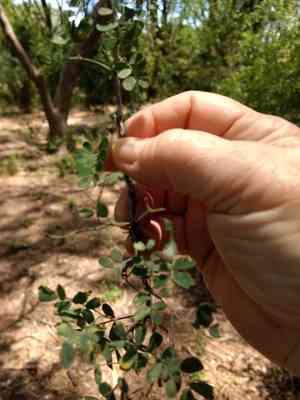
Wright acacia (Senegalia wrightii)
Also known as: Catclaw Acacia, Wright's Acacia
Wright acacia is commonly known as "catclaw acacia," owing to its distinctive, curved thorns that resemble a cat's claws. The name "Wright" honors Charles Wright, the botanist who identified the species in the 19th century. Indigenous to Texas, this acacia species is notable for its cold tolerance and its role in honey production.
In This Article
Attributes of Wright acacia
Lifespan
Perennial
Plant Height
8 m to 9 m
Spread
6 m to 9 m
Leaf Color
Green
Flower Size
0.5-1 inch (1.3-2.5 cm)
Flower Color
Yellow
Images of Wright acacia
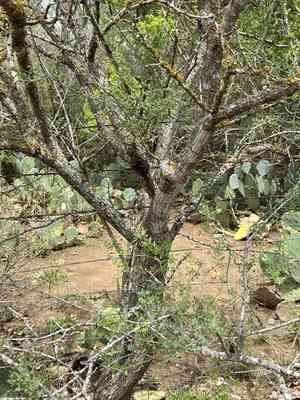
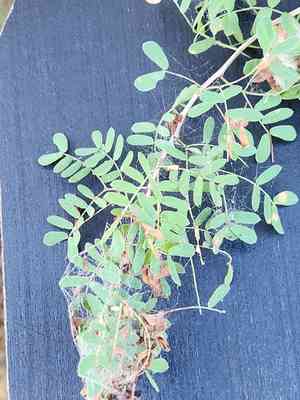
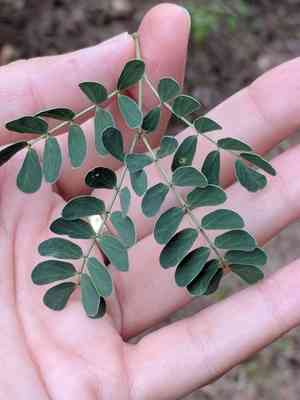
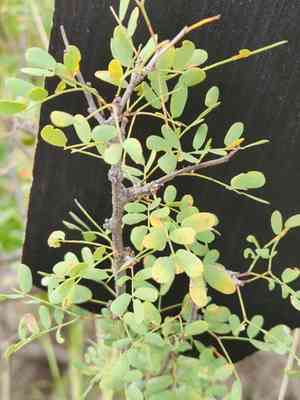
Quickly Identify Wright acacia
1
Identify Senegalia wrightii by its small, bipinnate leaves, thorny twigs, yellow pom-pom-like flowers, and flat seed pods. The tree often grows in a shrubby, multi-stemmed form.
Scientific Classification of Wright acacia
Phylum
Vascular plants
Class
Dicotyledons
Order
Fabales
Family
Legume
Genus
Senegalia
Species
Wright acacia
Planting and Growing of Wright acacia
Care Difficulty
Moderate
Watering Schedule
Every 2 days
Sunlight Requirements
Full sun
Sunshine Duration
6-12 hours
Ideal Temperature
68-86℉
Soil Type
Potting Mix, Peat Mix
Soil pH
6.5-7.5
Fertilizer Type
Balanced
Pruning Season
Spring, Summer
Pruning Area
Branches, Leaves
Pruning Frequency
2 times a year
Repotting Season
Spring
Pot Type
Plastic, Ceramic
 How to Water Wright acacia?
Senegalia wrightii prefers a watering regime where the soil is allowed to dry out considerably between waterings. The goal is to moisten the soil thoroughly but infrequently, ensuring that excess water drains out. A typical watering session should involve around 500 ml, enough to soak the soil to depth but not create standing water.
What are the symptoms of an underwatered Wright acacia?
›
What should I do if my Wright acacia is not getting enough water?
›
What are the symptoms of an overwatered Wright acacia?
›
How to save an overwatered Wright acacia?
›
 What Are the Sunlight Requirements for Wright acacia?
Senegalia wrightii flourishes under full sun to partial sun conditions. Ideal lighting boosts photosynthesis efficiency, promoting lush foliage, strong structural growth, and vibrant flowering, which enhance its ornamental and ecological value.
What is the ideal lighting condition for Senegalia wrightii?
›
How can I ensure optimal lighting for Senegalia wrightii?
›
What are the benefits of providing ideal lighting for Senegalia wrightii?
›
 What Is the Ideal Temperature Range for Wright acacia?
Senegalia wrightii thrives best in temperatures ranging from 68°F to 86°F. This range allows for maximum photosynthesis and growth. Maintaining a consistent temperature within this range can help the plant to flourish, increase root development, and produce healthier foliage.
 What Soil is Best for Wright acacia?
Senegalia wrightii thrives best in well-drained soil to prevent root rot. This condition allows for appropriate air exchange around the roots, enhancing overall plant health. Although it's drought-tolerant, ensuring the soil is rich in nutrients supports healthier growth. It means adequate organic matter should be present to promote vitality and flower production. While it's adapted to arid conditions, retaining some soil moisture aids in gradual nutrient delivery and reduces water stress during exceptionally dry periods.
 How to Fertilize Wright acacia?
Senegalia wrightii, also known as Wright's acacia, requires a moderate amount of fertilizer. For liquid fertilizer, dilute it to half-strength to prevent overwhelming the plant, which can lead to root burn. When using slow-release pellets, apply about half a cup per square foot around the root zone to ensure nutrients are slowly accessible to the plant over time.
 How to Prune Wright acacia?
Begin by removing any dead or diseased branches using clean, sharp pruning shears. Focus on branches that cross or rub together, as these can cause damage to the plant over time. Cut at a slight angle and just above a node to encourage healthy regrowth. Removing these branches will improve air circulation and sunlight exposure. After removing unhealthy growth, focus on shaping the plant to your preference. Senegalia wrightii can grow into dense thickets, so selectively prune to maintain an open structure. This not only enhances its appearance but also ensures that sunlight reaches the inner branches. Prune back to maintain desired height and width, always considering the plant’s natural form.
More About Pruning Techniques→
 How to Propagate Wright acacia plant?
1
Collect mature seeds from the plant after the flowering season. Clean them to remove any debris before sowing.
2
Select healthy branches and cut them to an appropriate length, just below a node. Remove lower leaves to facilitate root development.
3
Sow seeds in seed trays or plant cuttings in pots with appropriate soil. Water them lightly to keep the soil moist but not waterlogged.
 How to Repot Wright acacia plant?
1
You'll know it's time to repot your Senegalia wrightii when you notice roots poking out from the bottom of the pot, or if the growth has noticeably slowed despite optimal care. Doing this ensures that the plant isn't root-bound and can continue to grow robustly.
2
Select a pot that is one size larger than the current one, ensuring it has good drainage. This helps prevent waterlogging, which can lead to root rot. The material can be clay or plastic, each offering its benefits for maintaining moisture levels.
3
A well-draining cactus mix is perfect for Senegalia wrightii. This type of soil ensures roots stay healthy by preventing excess moisture, which is ideal for this drought-resistant plant. It usually contains sand, gravel, or perlite to boost drainage.
Learn More About Wright acacia Diseases
Anthracnose
Bacterial Leaf Spot
Bacterial Wilt
Crown Gall
Cyst Nematode
Damping-off
Downy Mildew
Drought Stress
Fusarium Wilt
Gray Mold
Leaf Spot
Mosaic
Nutrient Deficiency
Nutrient Toxicity
Powdery Mildew
Root Rot
Root-knot Nematode
Rusts
Sooty Mold
Spider Mites
Temperature Stress
Thrips Damage
White Mold



