How to Transplant Water ragwort?
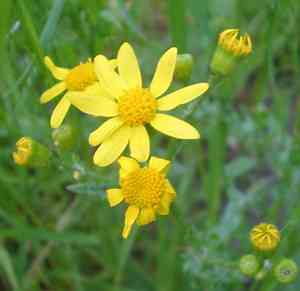
Water ragwort flourishes when relocated from the refreshing start of spring through the lively period of late spring, preferring damp, adequately draining sites. Perfect environments involve filtered light and shelter from strong gusts for successful rooting.
Necessary Preparations Before Moving Water Ragwort?
Optimal Period for Relocating Water Ragwort?
The best time to move water ragwort is from early to late spring. This timeframe allows the plant to develop roots before the intense summer heat. Transplanting then maximizes growth and minimizes stress, ensuring a strong start for the perennial. Confirm the soil drains well, and prepare the planting area in advance.
Required Spacing Between Water Ragwort Plants?
When relocating water ragwort, ensure each plant is spaced 18-24 inches (45-60 cm) apart. This distance provides ample room for healthy growth without resource competition.
Best Soil Blend for Water Ragwort Relocation?
For water ragwort, prepare a soil mixture that is rich, drains well, and is slightly acidic to neutral (pH 6.0-7.0). Incorporate an organic base fertilizer such as compost or well-rotted manure to give the plants a strong start.
Ideal New Location for Your Water Ragwort?
Position water ragwort in a spot that receives full to partial sunlight. They thrive with approximately 4-6 hours of direct sun daily, so select a garden area meeting this need.
Equipment to Prepare Before Transplanting Water Ragwort?
Gardening Gloves
To safeguard your hands while handling soil and plants.
Shovel or Spade
For excavating the plant and preparing the new planting site.
Watering Can or Hose
For hydrating the plant before and after its relocation.
Trowel
For more precise digging and positioning the plant in its new spot.
Pruning Shears
To trim any damaged roots or foliage.
Mulch
To aid in retaining soil moisture post-transplantation.
How to Extract Water Ragwort from the Soil?
How to Extract Water Ragwort from the Soil?
From Ground: First, moisten the water ragwort plant to dampen the soil. Next, dig a wide trench around the plant using a shovel or spade, ensuring the plant's root ball remains intact. Carefully work the spade beneath the root ball to lift the plant from its original spot.From Pot: Thoroughly water the water ragwort plant. Gently tap the pot's sides to loosen the soil. Invert the pot while supporting the plant with your other hand. Carefully slide the plant out, handling the root ball with care.From Seedling Tray: Lightly water the seedlings. Use a trowel to gently lift each seedling from the tray, taking care not to harm the roots. Hold seedlings by their leaves rather than the stem to avoid crushing the delicate stem.
Step-by-Step Guide for Relocating Water Ragwort
Prepare the New Site
Ensure the new planting location is ready by digging a hole twice as wide and as deep as the water ragwort plant's root ball. The hole should comfortably fit the plant but not be excessively deep.
Soil Preparation
Loosen the soil at the base of the hole to facilitate root penetration for the plant.
Planting
Place the water ragwort plant in the hole, ensuring the root ball rests at the same depth as it was in its previous spot. Fill the hole with soil, gently pressing it down to remove air pockets.
Watering
Thoroughly water the plant to help the soil settle around the roots. Repeat watering if the soil settles too much, adding more soil as needed.
Mulching
Apply a layer of mulch around the plant's base, ensuring it doesn't touch the stem. This helps retain moisture and prevents weed growth.
Post-Transplant Care for Water Ragwort?
Watering
Keep the soil around the water ragwort consistently moist, but not waterlogged, for the initial weeks after transplanting to encourage strong root development.
Monitoring
Regularly inspect the plant for signs of stress, such as wilting or yellowing leaves, and adjust care as necessary.
Pruning
Trim any damaged or dead foliage to promote vigorous growth.
Weed Control
Keep the area around the water ragwort plant free of weeds to reduce competition for nutrients and water.
Resolving Common Issues with Water Ragwort Transplantation.
When is the best time to transplant water ragwort?
Relocate water ragwort from early spring to late spring for optimal growth and establishment.
How much space should I leave between water ragwort plants?
Space water ragwort plants 18-24 inches (45-60 cm) apart to allow ample room for growth.
What kind of soil does water ragwort prefer?
Water ragwort thrives in moist, well-drained soils. Enhance the soil with compost for improved results.
How should the soil be prepared before transplanting water ragwort?
Loosen soil to a depth of 10 inches (25 cm) and incorporate compost to boost fertility.
How should I water water ragwort after transplanting?
Water water ragwort thoroughly immediately after transplanting, then maintain consistent moisture without over-saturating.
Do I need to trim water ragwort before transplanting?
Trimming 1/3 of the foliage can reduce stress and help water ragwort establish more quickly.
What should I do if water ragwort appears wilted after transplanting?
Ensure water ragwort has sufficient water and is shielded from direct harsh midday sunlight.
Can I transplant water ragwort in summer or fall?
It's best to transplant water ragwort in early to late spring for successful establishment.
How deep should I plant the water ragwort roots?
Plant the roots of water ragwort at the same depth they were in the original container.
What if water ragwort doesnât show new growth after transplanting?
Check for root health, soil conditions, and ensure consistent watering to encourage new growth.



