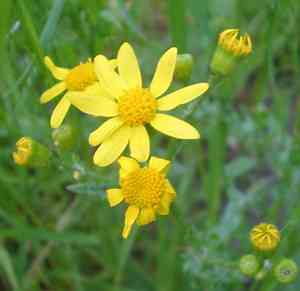
Water ragwort (Senecio hydrophilus)
Also known as: Water Groundsel, Marsh Ragwort
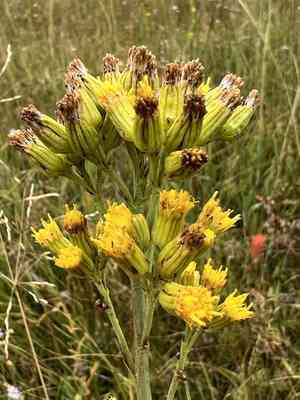
Water ragwort flourishes in wet, marshy habitats such as riverbanks, wetlands, and ditches. This perennial plant features fleshy, oblong leaves and produces clusters of small, yellow, daisy-like flowers atop tall stems, which help attract pollinators. Its preference for moist, nutrient-rich soils makes it well-suited to these aquatic environments, contributing vibrantly to the local ecosystem.
In This Article
Attributes of Water ragwort
Lifespan
Perennial
Plant Type
Herb
Plant Height
46 cm to 91 cm
Spread
Not typically measured, grows in clusters
Leaf Color
Green
Flower Size
1-1.5 cm (0.4-0.6 inches)
Flower Color
Yellow
Images of Water ragwort
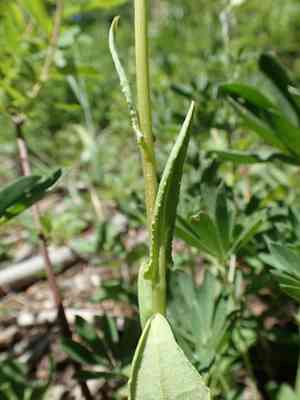
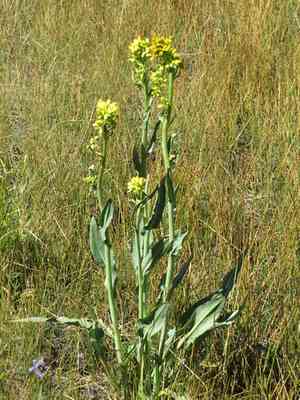
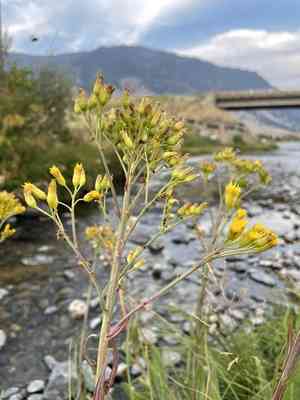
Quickly Identify Water ragwort
1
This plant can be identified by its tall, hollow stems that are often purple-tinged. The leaves are lance-shaped and serrated, while the flowers bloom in dense clusters with yellow petals and a yellow center.
Scientific Classification of Water ragwort
Phylum
Vascular plants
Class
Dicotyledons
Order
Asterales
Family
Daisy
Genus
Ragworts
Species
Water ragwort
Planting and Growing of Water ragwort
Care Difficulty
Moderate
Watering Schedule
Every 4 days
Sunlight Requirements
Partial sun
Sunshine Duration
6-12 hours
Ideal Temperature
60-75℉
Soil Type
Potting Mix, Peat Mix
Soil pH
6.5-7.5
Fertilizer Type
Balanced
Pruning Season
Spring, Summer
Pruning Area
Branches, Leaves
Pruning Frequency
2 times a year
Repotting Season
Spring
Pot Type
Plastic, Ceramic
 How to Water Water ragwort?
The watering amount for Senecio hydrophilus is about 250 ml per session. This should allow the soil to be adequately moist but not waterlogged. Ensure the top inch of soil is dry before watering again, which helps mimic the plant's natural environment where it gets ample but not excessive water.
What are the symptoms of an underwatered Water ragwort?
›
What should I do if my Water ragwort is not getting enough water?
›
What are the symptoms of an overwatered Water ragwort?
›
How to save an overwatered Water ragwort?
›
 What Are the Sunlight Requirements for Water ragwort?
Senecio hydrophilus thrives in partial sun, benefiting from 4-6 hours of light. Ideal light promotes strong, healthy growth, vibrant foliage, and strengthens the plant's overall resilience.
How much sunlight is ideal for Senecio hydrophilus?
›
What are the solutions for achieving ideal lighting conditions?
›
What are the benefits of Senecio hydrophilus receiving ideal light?
›
 What Is the Ideal Temperature Range for Water ragwort?
The ideal temperature range for growing Senecio hydrophilus is between 60°F and 75°F. This range promotes healthy growth and ensures that the plant's metabolic processes function efficiently. Maintaining these temperatures will help in achieving robust leaf development and flowering.
 What Soil is Best for Water ragwort?
Senecio hydrophilus thrives in soil that retains moisture without becoming waterlogged. This ensures that the plant receives a steady supply of water, which is crucial for its growth in naturally wet environments. The plant demands a nutrient-rich soil that supports vigorous growth. A loamy soil enriched with organic matter will offer the nutrients necessary for lush foliage and healthy development. Despite needing moist conditions, good drainage is essential to prevent root rot. Sandy loam offers an ideal balance, promoting healthy roots and preventing water stagnation.
 How to Fertilize Water ragwort?
For Senecio hydrophilus, apply a diluted solution of liquid fertilizer at half strength every two weeks. Ensure the soil is moist before application to prevent root burn. When using slow-release fertilizer, apply about 1-2 tablespoons per plant annually, spread evenly over the soil surface.
 How to Prune Water ragwort?
Start by closely inspecting the plant for any stems that are dead, damaged, or diseased. These should be the first to go, as removing them will improve the overall health of the plant. Senecio hydrophilus tends to grow long stems. To keep the plant neat and encourage bushier growth, cut back any overly long stems by about half their length. Gently shape the plant to your desired appearance, making sure to trim branches just above a healthy leaf node. This encourages new growth from that node, leading to a fuller plant. After pruning, continue to care for the plant as usual. Make sure it receives adequate water and sunlight, and monitor for any signs of distress following the pruning.
More About Pruning Techniques→
 How to Propagate Water ragwort plant?
1
Gather seeds or take cuttings using sharp shears, ensuring that cuttings are about 3-5 inches long. If using seeds, make sure they are viable and collected in the current season for the best chance of germination.
2
For seeds, place them in seed trays with well-draining soil. For cuttings, dip them in a rooting hormone and place them into a moist, airy medium to encourage root development.
3
Maintain a warm environment with indirect sunlight for the germination or rooting process. Ensure the soil remains moist but not waterlogged to prevent rot.
 How to Repot Water ragwort plant?
1
Repotting Senecio hydrophilus is best done when you notice roots growing out of the pot's drainage holes, or if the topsoil dries out too quickly after watering. These are clear signs the plant has outgrown its current home and needs more space to thrive.
2
Select a pot that is slightly larger than the current one, with adequate drainage holes. Using a pot that is just slightly bigger prevents overwatering, as too much excess soil can retain water and lead to root rot.
3
A well-draining cactus mix is ideal for Senecio hydrophilus. This soil mimics its natural habitat, preventing water retention and reducing the risk of root rot, ensuring the plant's longevity and health.
Toxicity
Ingestion
WARNING
The judgment on toxicity and danger is for reference only. We DO NOT GUARANTEE any accuracy of such judgment. Therefore, you SHALL NOT rely on such judgment. It is IMPORTANT TO SEEK PROFESSIONAL ADVICE in advance when necessary.
Learn More About Water ragwort Diseases
Anthracnose
Bacterial Leaf Spot
Bacterial Soft Rot
Bacterial Wilt
Black Spot
Chemical Injury
Crown Gall
Cyst Nematode
Damping-off
Downy Mildew
Drought Stress
Fusarium Wilt
Gray Mold
Leaf Spot
Mosaic
Nutrient Deficiency
Nutrient Toxicity
Powdery Mildew
Root Rot
Root-knot Nematode
Rusts
Sooty Mold
Spider Mites
Temperature Stress
Thrips Damage
White Mold



