How to Transplant Queen of the night?
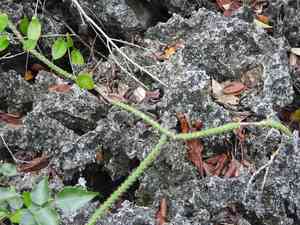
Queen of the night flourishes when relocated between mid-summer and late autumn, allowing it to adjust prior to winter. Select a bright, adequately drained location providing filtered illumination. Refrain from disrupting its root system and irrigate minimally after transplanting to mitigate shock.
What Preparations are Needed Before Transplanting Queen Of The Night?
What is the Ideal Time for Transplanting Queen Of The Night?
Moving queen of the night in late summer to late fall is optimal due to milder temperatures and reduced plant stress. This period promotes root development before winter dormancy, leading to a more robust, resilient plant. Preparing the soil and ensuring adequate watering during this time supports successful relocation.
How Much Space Should You Leave Between Queen Of The Night Plants?
Queen of the night requires ample room to flourish. Position each plant 2-3 feet (60-90 cm) apart. This guarantees proper air circulation and sufficient space for its expansion.
What is the Best Soil Mix for Queen Of The Night Transplanting?
Queen of the night thrives in soil that drains well, ideally sandy or loamy. Prior to planting, enrich the soil with a balanced fertilizer base to supply essential nutrients.
Where Should You Relocate Your Queen Of The Night?
Select a location with partial to full sun exposure for queen of the night. It flourishes with at least 6 hours of daily sunlight. Ensure the spot isn't overly shaded, allowing the plant to receive ample light.
What Equipments Should You Prepare Before Transplantation Queen Of The Night?
Gardening Gloves
To safeguard your hands while handling soil and the plant.
Shovel or Spade
Essential for digging and carefully lifting the plant.
Trowel
Useful for loosening soil around the plant's root system.
Watering Can or Hose
For hydrating the plant before and after its relocation.
Garden Fork
To gently extract the plant's root ball from containers.
Wheelbarrow
To safely transport the plant if it is large or heavy.
Stakes or Supports
To provide stability for the plant after it has been moved.
How Do You Remove Queen Of The Night from the Soil?
How Do You Remove Queen Of The Night from the Soil?
From Ground: First, hydrate the queen of the night plant to moisten the soil. Then, excavate a wide trench around the plant using a shovel or spade, ensuring the plant's root ball remains intact. Carefully work the spade beneath the root ball to extract the plant from its original spot.From Pot: Thoroughly water the queen of the night plant. Gently tap the pot's sides to loosen the soil, then invert the pot while supporting the plant with your other hand. Carefully slide the plant out, taking care not to harm the root ball.From Seedling Tray: Dampen the tray's soil and gently lift each seedling using a small trowel or your fingers, being cautious not to damage the delicate roots. Handle the seedlings by their leaves or the root ball, not the stem.
Step-by-Step Guide for Transplanting Queen Of The Night
Site Preparation
Prepare the new location by digging a hole that is twice as wide and as deep as the queen of the night's root ball.
Soil Preparation
Ensure the excavated soil is loose and free of rocks or debris.
Transplanting
Position the queen of the night in the center of the hole, making sure it stands at the same depth as it was previously growing.
Filling
Refill the hole with soil, gently firming it down around the root ball to eliminate air pockets, but avoid over-compacting it.
Watering
Immediately water the plant thoroughly to help the soil settle and hydrate the roots.
Support
If necessary, install stakes or other supports to help the queen of the night remain upright.
How Do You Care For Queen Of The Night After Transplanting?
Watering
Keep the soil consistently moist, but not waterlogged, for the initial weeks after transplanting to aid in establishing strong roots.
Mulching
Apply a layer of mulch around the base of the queen of the night to retain soil moisture and suppress weeds.
Monitoring
Regularly check for any indications of stress or disease, and take appropriate action if any issues arise.
Protection
Provide shade if the plant shows signs of transplant shock, and shield it from strong winds until it becomes established.
Troubleshooting Common Issues with Queen Of The Night Transplantation.
When is the best time to transplant queen of the night?
Late summer to late fall is ideal for relocating queen of the night.
What is the optimal spacing for queen of the night?
Space queen of the night plants 2-3 feet (60-90 cm) apart for healthy development.
How do I prepare the soil for queen of the night?
Ensure well-draining soil mixed with organic material for a healthy queen of the night transplant.
What should I do if queen of the night shows signs of wilting?
Verify proper hydration. Ensure soil is moist but not saturated.
How deep should I plant queen of the night during transplantation?
Plant queen of the night at the same depth as it was in its original container or garden bed.
What temperature range is best for transplanting queen of the night?
Relocate queen of the night when temperatures are between 60-75°F (15-24°C).
Should I prune queen of the night before transplanting?
Lightly trim any damaged or dead sections to encourage vigorous new growth.
How often should I water queen of the night after transplanting?
Water queen of the night thoroughly after transplanting, then water regularly once the soil begins to dry.
What type of fertilizer is best for queen of the night after transplanting?
Use a balanced, slow-release plant food to support queen of the night's growth post-relocation.
How do I handle transplant shock in queen of the night?
Keep queen of the night in a shaded area for a few days and maintain consistent moisture.



