How to Prune Queen of the night?
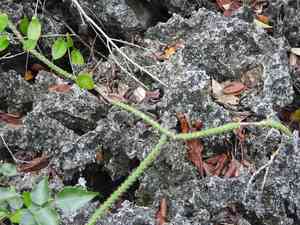
The Queen of the Night, celebrated for its spectacular nighttime flowers, flourishes with appropriate trimming. The most effective time for pruning is in Winter, coinciding with its period of inactivity. Essential methods involve eliminating deceased or compromised stems to foster improved air movement and shortening excessively long branches to preserve its form and stimulate fresh development. Advantages encompass increased blossoming and a diminished likelihood of illness. Consult reputable horticultural references for optimal outcomes.
What Are the Benefits of Pruning Queen Of The Night?
What Are the Benefits of Pruning Queen Of The Night?
Trimming queen of the night encourages robust development and maintains its form. It fosters healthier growth, boosts blooming, and prevents congestion, ensuring optimal light and air movement. Proper trimming also lowers the risk of pests and illnesses.
What Is the Best Time for Pruning Queen Of The Night?
What Is the Best Time for Pruning Queen Of The Night?
Trimming queen of the night in winter is advisable as it aligns with the plant's dormant phase. During this period, the plant's growth slows, reducing stress and the chance of disease or pest infestations. Furthermore, winter pruning allows gardeners to shape the plant before the active growing season begins in spring, promoting healthier development and more abundant blooms in the subsequent months.
What Tools Do I Need to Prune Queen Of The Night?
Bypass Pruners
Bypass pruners are perfect for queen of the night due to their precise cutting ability, which is crucial for clean cuts on this plant's soft, fleshy stems.
Long-handled Pruners
These are useful for reaching higher parts of queen of the night and for avoiding any potential spines, ensuring both safety and effectiveness.
Cactus Shears
Specifically designed for cactus-like plants, cactus shears provide superior control and minimize harm to queen of the night's stems.
Protective Gloves
Given the possibility of spines, protective gloves are essential to prevent injury when handling queen of the night.
How to Prune Queen Of The Night
Assess
Carefully inspect queen of the night to find withered leaves, dead branches, and diseased branches that require removal. This helps you plan your strategy and ensures you only remove what's necessary.
Tools
Gather sharp, clean pruning shears or scissors to avoid damaging queen of the night and to minimize the risk of spreading disease. Sanitize the tools before and after pruning.
Withered Leaves
Remove any withered leaves at their base where they connect to the main stem. Make a clean cut to prevent leaving jagged edges that could attract pests.
Dead Branches
Cut dead branches back to the nearest healthy section of queen of the night. Make the cut at a slight angle to aid water runoff and prevent rot.
Diseased Branches
Completely remove diseased branches, cutting well below the affected area to ensure no disease remains. Dispose of these parts away from the plant to prevent contamination.
Common Pruning Mistakes with Queen Of The Night
Incorrect technique
Using improper cutting tools or methods can harm the plant tissue, making queen of the night vulnerable to disease and infection.
Over-pruning
Removing too many branches or stems at once can stress queen of the night, hindering its recovery and potentially reducing flowering.
Pruning at wrong times
While seasonality is important, pruning during active growth phases can impede queen of the nightâs ability to produce flowers and maintain optimal health.
Ignoring air circulation
Neglecting air flow can result in a dense plant structure, encouraging fungal infections and other diseases.
Common Pruning Tips for Queen Of The Night
Proper tools
Utilize sharp, clean pruning shears to make precise cuts and prevent the spread of disease.
Remove damaged parts
First, focus on removing dead, damaged, or diseased stems to encourage healthy growth and prevent the spread of disease.
Encourage air flow
Thin out crowded areas by selectively removing stems to ensure good air circulation, which helps reduce the risk of disease.
Prune conservatively
Only remove a small percentage of stems at a time to avoid stressing queen of the night and ensure balanced growth.
Consider plant shape
Maintain an open and balanced shape when pruning to support even light distribution and aesthetic appeal.



