How to Transplant Wallace's spikemoss?
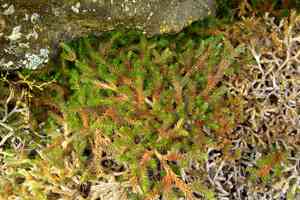
Wallace's spikemoss prospers when relocated in the cool period from early to late spring. It grows best in areas with full or partial shade, provided the ground drains effectively. If needed, confirm the new site replicates its native woodland floor environment.
What Preparations are Necessary Before Relocating Wallace's Spikemoss?
What is the Ideal Time for Relocating Wallace's Spikemoss?
The best seasons for moving wallace's spikemoss are early to late spring. These periods offer mild temperatures and increased humidity, which aid in root establishment. Relocating during this time maximizes the plant's growth potential and minimizes shock, ensuring a smooth transition to its new spot.
How Much Space Should You Allow Between Wallace's Spikemoss Plants?
For relocating wallace's spikemoss, ensure each plant is spaced 6-12 inches (15-30 cm) apart. This provides ample room for growth and development while promoting good air circulation.
What is the Best Soil Mixture for Wallace's Spikemoss Relocation?
Prepare the soil using a well-draining mix rich in organic material. Incorporating a balanced base fertilizer like 10-10-10 (N-P-K) ratio will supply wallace's spikemoss with the necessary nutrients for proper establishment.
Where Should You Move Your Wallace's Spikemoss?
Select a site that offers partial to full shade, as wallace's spikemoss prefers indirect light. Steer clear of areas with direct afternoon sun to prevent leaf burn.
What Tools Should You Prepare Before Relocating Wallace's Spikemoss?
Gardening Gloves
To safeguard your hands while handling soil and the plant.
Hand Trowel
For excavating around the plant and creating a new planting depression.
Shovel or Spade
To dig a wider trench and lift the plant along with its root mass.
Pruning Shears
To trim any damaged roots or foliage.
Watering Can or Hose
For hydrating the plant before and after relocation.
Compost or Mulch
To supply nutrients and maintain soil moisture around the plant post-relocation.
How Do You Extract Wallace's Spikemoss from the Ground?
How Do You Extract Wallace's Spikemoss from the Ground?
From Ground: First, irrigate the wallace's spikemoss plant to moisten the soil. Then, dig a wide trench around the plant using a shovel or spade, ensuring the plant's root ball remains intact. Carefully work the spade beneath the root ball to lift the plant from its original spot.From Pot: Water the wallace's spikemoss plant thoroughly a few hours prior to relocation to facilitate removal. Gently tap the sides and bottom of the pot to loosen the soil. Slide the plant out by tilting the pot and supporting the plant's base.From Seedling Tray: Water the seedlings in the tray beforehand. Gently loosen the soil around each seedling with a hand trowel or finger. Carefully lift the seedlings by their leaves (not stems) to avoid damage and retain as much soil around the roots as possible.
Step-by-Step Guide for Relocating Wallace's Spikemoss
Site Preparation
Ensure the chosen location is properly prepared by removing weeds and debris. Dig a hole twice as wide and slightly deeper than the root ball of the wallace's spikemoss plant.
Amend Soil
Add compost to the hole to enrich the soil and promote healthy growth.
Relocating
Place the wallace's spikemoss plant into the hole, ensuring it sits at the same depth as it was previously growing. Fill the hole gently but firmly with soil, pressing down to eliminate air pockets.
Watering
Water the plant thoroughly after relocating, ensuring the soil is well-saturated but not waterlogged.
Mulching
Apply a layer of mulch around the base of the plant to maintain moisture and protect the roots.
How Do You Care For Wallace's Spikemoss After Relocation?
Watering
Keep the soil around the wallace's spikemoss consistently moist, but not soggy, for the first few weeks after relocating to help establish strong roots.
Monitoring
Regularly check the plant for signs of stress, such as wilting or yellowing leaves, and address any issues promptly.
Pruning
Trim any damaged or dead leaves to encourage new growth and improve the plant's overall health.
Feeding
After the initial establishment period, consider feeding the wallace's spikemoss plant with a balanced fertilizer to support its growth and development.
Troubleshooting Common Issues with Wallace's Spikemoss Relocation.
When is the best time to relocate wallace's spikemoss?
Early to late spring is the ideal time to relocate wallace's spikemoss for optimal growth.
How should I prepare the soil for wallace's spikemoss?
Ensure the soil is well-draining, slightly acidic, and enriched with organic matter.
What spacing is needed when relocating wallace's spikemoss?
Space wallace's spikemoss plants 6-12 inches (15-30 cm) apart to allow for healthy growth.
How do I handle the roots while relocating wallace's spikemoss?
Gently handle the roots to prevent damage and ensure they remain moist during relocation.
Should I water wallace's spikemoss immediately after relocating?
Yes, water thoroughly after relocating to help the roots settle in their new location.
What to do if wallace's spikemoss shows signs of relocation shock?
Provide adequate water, avoid direct sunlight, and add mulch to retain soil moisture.
How to ensure wallace's spikemoss establishes well after relocating?
Consistently water and avoid disturbing the soil around the plant for a few weeks.
Can I use fertilizer while relocating wallace's spikemoss?
Use a balanced, slow-release fertilizer sparingly to avoid burning the young plant's roots.
Is mulching beneficial when relocating wallace's spikemoss?
Yes, applying a thin layer of mulch helps retain soil moisture and suppress weeds.
What should the new location's light condition be for wallace's spikemoss?
Choose a spot with partial shade to protect wallace's spikemoss from intense, direct sunlight.



