How to Prune Wallace's spikemoss?
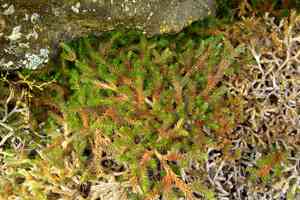
Selaginella wallacei is a diminutive, perennial ground-hugging plant featuring fine, fern-like leaves. Perform trimming in early spring or late winter to foster thick development. Employ sharp, sanitized shears to remove lifeless or ailing stalks and sculpt the specimen. Refrain from extensive cutting since Selaginella wallacei exhibits sluggish growth. Consistent, gentle trimming stimulates robust progress and deters sparse elongation. Confirm that plants stay hydrated and are shielded from direct sun exposure to preserve vivid foliage. Precise pruning boosts the plant's general well-being and aesthetic charm.
Advantages of Trimming Wallace's Spikemoss
Advantages of Trimming Wallace's Spikemoss
Wallace's spikemoss thrives with trimming, which promotes robust development and maintains its form. Proper trimming helps manage its size, prevents crowding, and eliminates dead or diseased sections, enhancing overall plant vitality and look.
Optimal Period for Trimming Wallace's Spikemoss
Optimal Period for Trimming Wallace's Spikemoss
Trimming wallace's spikemoss in late winter or early spring aligns with its growth cycle, ensuring peak health. This timing allows for necessary shaping and size management before new growth begins, boosting the plant's vigor and reducing stress. Furthermore, pruning during these seasons helps avert potential damage from extreme temperatures and fosters healthier, more resilient growth.
Tools Required for Trimming Wallace's Spikemoss
Small Pruning Shears
Small pruning shears are perfect for wallace's spikemoss due to its delicate and compact nature. They enable precise cuts, minimizing harm to the plant.
Precision Scissors
Precision scissors are excellent for the detailed work needed for wallace's spikemoss's fine foliage. They ensure accurate trimming of small stems and leaves.
Hand Pruners
Hand pruners can be utilized for cutting thicker stems without crushing them. They are useful for preserving the overall shape and health of wallace's spikemoss.
Tweezers
Tweezers can be helpful for removing dead foliage and thinning out dense growths. Their fine tips offer control and prevent damage to surrounding tissues.
How to Trim Wallace's Spikemoss
Examine
Inspect wallace's spikemoss to identify any diseased or withered leaves. This initial check helps you pinpoint areas needing trimming and ensures no affected parts are overlooked.
Tools
Prepare sanitized pruning shears or scissors. Clean tools help prevent disease transmission among plants and improve the accuracy of your cuts.
Remove Diseased
Carefully trim away any diseased leaves. Make your cuts slightly below the visible signs of disease to ensure complete removal and prevent further infection.
Remove Withered
Eliminate withered leaves by cutting at their base. This encourages healthier growth and prevents potential disease from spreading to healthier parts of wallace's spikemoss.
Discard
Immediately discard all pruned material, especially diseased leaves, to avoid any risk of pathogen spread. Clean and sterilize your tools again after pruning.
Common Trimming Errors with Wallace's Spikemoss
Excessive Trimming
Over-cutting can shock wallace's spikemoss, leading to stunted growth and susceptibility to diseases. It's vital not to remove more than 20-30% of the plant at once.
Incorrect Tools
Using dull or dirty tools can create jagged cuts that take longer to heal, increasing infection risk. Always use clean, sharp pruning shears.
Timing
Trimming at inappropriate times can disrupt the plant's growth cycle. Avoid pruning during periods of active growth or extreme weather conditions.
Trimming Healthy Branches
Removing healthy, well-positioned branches can weaken wallace's spikemoss and distort its natural form. Focus on trimming dead or damaged branches instead.
Neglecting Light and Airflow
Failing to thin out dense areas of the plant can result in poor air circulation and light penetration, making wallace's spikemoss vulnerable to fungal infections and poor growth.
General Trimming Advice for Wallace's Spikemoss
Utilize Clean, Sharp Tools
Ensure all trimming tools are sterilized to prevent disease spread. Sharp tools create clean cuts that heal more quickly.
Trim Lightly
Remove only dead, damaged, or diseased parts to stimulate healthy growth. Trimming too much can hinder the plant's ability to photosynthesize effectively.
Create Space
Wallace's spikemoss benefits from good airflow and light. Thin out densely packed areas to improve these conditions and reduce the risk of fungal infections.
Monitor Growth
Regularly inspect wallace's spikemoss for signs of overgrowth or disease. Addressing these issues promptly through light trimming can prevent more significant problems later.
Cut at an Angle
Make cuts at a slight angle to allow water to run off, reducing the risk of rot and promoting quicker healing.



