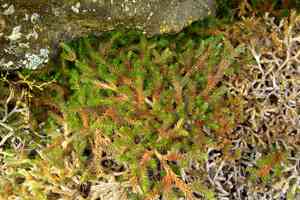
Wallace's spikemoss (Selaginella wallacei)
Also known as: Wallace's spikemoss, Northern spikemoss
Wallace's spikemoss is a resilient, evergreen perennial known for its feathery, lush foliage that spreads to form dense mats. The plant features small, scale-like leaves arranged in rows, giving it a distinct texture. It flourishes in shady, humid settings, typically found on forest floors or nestled in rock crevices. The spikemoss's preference for damp environments supports its vibrant green color, making it easily recognizable in woodland areas.
In This Article
Attributes of Wallace's spikemoss
Lifespan
Perennial
Plant Height
Up to 10 cm (4 inches)
Spread
N/A, forms mats rather than crown
Leaf Color
Green, sometimes with a bronze or reddish hue
Flower Size
Does not produce true flowers; reproduces via spores
Flower Color
N/A
Images of Wallace's spikemoss
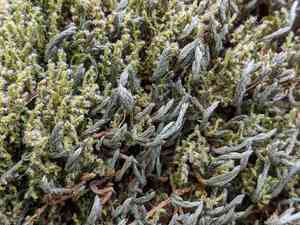
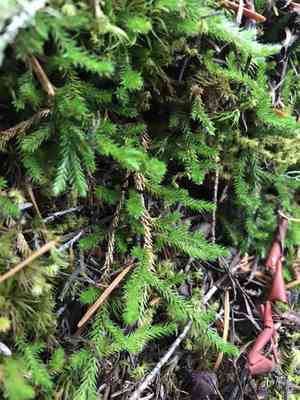
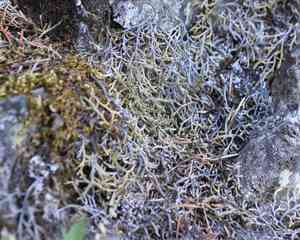
Quickly Identify Wallace's spikemoss
1
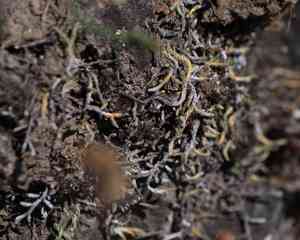
Selaginella wallacei can be identified by its small, scale-like leaves arranged in four rows along a creeping, branching stem. The leaves are typically green but can have a bronze or reddish hue in different conditions.
Scientific Classification of Wallace's spikemoss
Phylum
Vascular plants
Class
Club mosses
Order
Selaginellales
Family
Spike-moss
Genus
Spikemosses
Species
Wallace's spikemoss
Planting and Growing of Wallace's spikemoss
Care Difficulty
Moderate
Watering Schedule
Every 4 days
Sunlight Requirements
Partial sun
Sunshine Duration
6-10 hours
Ideal Temperature
60-75℉
Soil Type
Potting Mix, Peat Mix
Soil pH
6.5-7.5
Fertilizer Type
Balanced
Pruning Season
Spring, Summer
Pruning Area
Branches, Leaves
Pruning Frequency
2 times a year
Repotting Season
Spring
Pot Type
Plastic, Ceramic
 How to Water Wallace's spikemoss?
Water thoroughly until the soil is evenly moist but not waterlogged. For Selaginella wallacei, aim to keep the soil consistently damp, mimicking its natural habitat. Feel the top inch of the soil to ensure it retains moisture, but do not let it remain soggy, as this can lead to root issues.
What are the symptoms of an underwatered Wallace's spikemoss?
›
What should I do if my Wallace's spikemoss is not getting enough water?
›
What are the symptoms of an overwatered Wallace's spikemoss?
›
How to save an overwatered Wallace's spikemoss?
›
 What Are the Sunlight Requirements for Wallace's spikemoss?
Partial sun or full shade offers balance, avoiding high stress from intense rays and allowing the plant to maintain lushness, robustness, and consistent growth habits.
How much light does Selaginella wallacei prefer?
›
What are the best solutions for providing ideal light?
›
What benefits does ideal lighting bring to Selaginella wallacei?
›
 What Is the Ideal Temperature Range for Wallace's spikemoss?
For the optimal growth of Selaginella wallacei, maintaining a temperature range between 60°F to 75°F is ideal. This range supports robust growth and allows the plant to thrive, simulating its natural environment conditions.
 What Soil is Best for Wallace's spikemoss?
Selaginella wallacei thrives in soil that retains moisture well without becoming waterlogged. This quality ensures the roots have consistent access to water, reducing the risk of drought stress and promoting healthy growth. A nutrient-rich medium is crucial for Selaginella wallacei. The presence of organic matter will supply essential nutrients and foster beneficial microbial activity, making the plant more vigorous and resilient. Good drainage is essential to prevent root rot in Selaginella wallacei. Well-drained soil allows excess water to escape, maintaining aerobic conditions in the root zone and helping to prevent fungal diseases.
 How to Fertilize Wallace's spikemoss?
For Selaginella wallacei, it's essential to use a balanced, diluted liquid fertilizer at one-fourth the recommended strength to avoid over-fertilization which can harm its delicate structures. Apply approximately 100-150 ml per application during the growing season.
 How to Prune Wallace's spikemoss?
Using the correct tools is essential for a healthy prune. Small, sharp scissors or snips work best for Selaginella wallacei. Ensure your tools are sterilized to prevent microbial infections. Look for yellowing or brown fronds, as these indicate dead or damaged areas. Removing these helps focus the plant's energy on healthy growth. When pruning, gently hold the area close to the stem and make a clean cut to ensure you do not damage the nearby healthy fronds. Aim for a precise cut close to the base.
More About Pruning Techniques→
 How to Propagate Wallace's spikemoss plant?
1
Choose healthy branches that are free of disease or damage. Cut a segment approximately 2-4 inches in length with several leaf nodes, which will help in developing roots better when planted.
2
Create a favorable growing environment by preparing a well-draining potting mix. Opt for a combination of peat moss, perlite, and sand to ensure good aeration and prevent waterlogging.
3
Insert the cuttings into the prepared potting mix, ensuring at least one node is below the surface. Firm the soil gently around the cutting and water it lightly to settle the soil and eliminate air pockets.
 How to Repot Wallace's spikemoss plant?
1
Repotting Selaginella wallacei should be considered when you notice the plant is growing slower than usual, or roots are visibly coming out from the drainage holes. Ideally, observe the growth pattern and density in spring or early summer.
2
Select a pot that is just slightly larger than the current one. It should have good drainage to prevent waterlogging. This will help to maintain a healthy root environment and promote strong growth by preventing root rot.
3
Opt for a well-draining peat-based soil mix. This type of soil holds the right amount of moisture, provides nutrients, and prevents compaction, ensuring that Selaginella wallacei roots can breathe and thrive.



