How to Transplant Sand spike-moss?
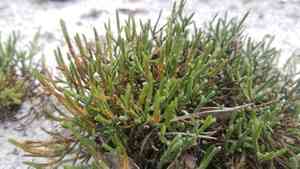
For sand spike-moss, the most favorable time for relocation is in 'early spring' because of the vigorous root development, which aids in successful integration. Select a site that is shaded and humid. Crucial advice: Maintain continuous soil moisture to facilitate a smooth adaptation and robust development.
Necessary Preparations Before Relocating Sand Spike-moss?
Optimal Period for Moving Sand Spike-moss?
Relocate sand spike-moss ideally in early spring or late autumn. These periods offer mild temperatures and increased ground moisture, aiding root establishment. Moving in early spring ensures rapid development as the season advances, while late autumn allows roots to settle before winter dormancy. Both times minimize transplant stress, boosting survival and vigorous growth.
Required Spacing Between Sand Spike-moss Plants?
For best development, position each sand spike-moss plant 12 inches (30 cm) apart. This provides ample room for expansion and prevents competition for nutrients.
Ideal Soil Mixture for Sand Spike-moss Relocation?
Prepare a well-draining soil blend with sand to replicate its natural environment. Enhance with a balanced slow-release fertilizer to support robust and continuous growth.
Where to Replant Your Sand Spike-moss?
Sand spike-moss flourishes in full sun to partial shade. Select a spot that receives at least 4-6 hours of daily sunlight for optimal outcomes.
Equipment Needed Before Transplanting Sand Spike-moss?
Gardening Gloves
To safeguard your hands while handling soil and the plant.
Small Spade or Shovel
For excavating the plant from its initial spot.
Garden Fork
To loosen the earth around the plant and assist in its gentle removal.
Watering Can or Hose
To hydrate the plant before extraction and after replanting.
Trowel
For precise work around the root system and for planting into the ground.
Bucket
To transport the sand spike-moss plant from its original site to the new location if required.
How to Extract Sand Spike-moss from the Ground?
How to Extract Sand Spike-moss from the Ground?
From Ground: First, water the sand spike-moss plant to moisten the soil. Then, dig a wide trench around the plant using a small spade or shovel, ensuring the plant's root ball remains intact. Carefully work the spade under the root ball to lift the plant from its original location.From Pot: Gently water the sand spike-moss plant to moisten the soil. Tap the sides of the pot lightly to loosen the soil. Turn the pot slightly sideways and carefully slide the sand spike-moss plant out, holding the base of the stem.From Seedling Tray: Water the seedling and use a trowel to carefully lift the sand spike-moss seedling from its tray by gently easing up from the base. Be cautious not to disturb the roots too much.
Detailed Steps for Transplanting Sand Spike-moss
Site Preparation
Prepare the new planting location by digging a hole slightly larger than the sand spike-moss plant's root ball. The hole should be deep enough so the plant sits at the same level as it did in its previous spot.
Soil Preparation
Ensure the soil is loose and drains well to support root development. It's crucial to avoid compacted soil, which can impede root expansion.
Planting
Carefully place the sand spike-moss plant into the prepared hole. Adjust its position to ensure it is upright and at the same depth as before.
Backfilling
Fill the hole with soil around the root ball, gently firming it down to remove air pockets. Be careful not to compact the soil too much, as this can hinder root growth.
Watering
After transplanting, thoroughly water the sand spike-moss plant to help settle the soil and support the plant in its new location.
Mulching
Apply a layer of mulch around the base of the sand spike-moss plant to help retain moisture and reduce weed growth.
Post-Transplant Care for Sand Spike-moss?
Watering
Keep the soil around the sand spike-moss consistently damp, but not waterlogged, for the initial weeks after transplanting to aid in strong root establishment.
Monitoring
Regularly inspect the sand spike-moss plant for indications of stress, such as wilting or yellowing foliage, and adjust care as necessary.
Weed Control
Maintain the area around the sand spike-moss plant free of weeds to minimize competition for nutrients and water.
Fertilizing
Do not fertilize immediately after transplanting. Wait a few weeks to allow the sand spike-moss plant to establish, then follow appropriate fertilizer guidelines for this specific species.
Resolving Common Issues with Sand Spike-moss Transplantation.
When is the best time to transplant sand spike-moss?
The ideal seasons for transplanting sand spike-moss are early spring, late fall, early winter, and mid-winter.
What spacing should I allow between sand spike-moss plants?
Ensure a spacing of 12 inches (30 cm) between each sand spike-moss plant for optimal growth.
How deep should I plant sand spike-moss into the soil?
Plant sand spike-moss at the same depth as it was in its original container or location.
What type of soil is best for sand spike-moss?
Sand spike-moss prefers well-draining, sandy soil with a slightly acidic to neutral pH.
How should I prepare the soil before transplanting sand spike-moss?
Loosen the soil, remove weeds, and mix in organic matter like compost to enrich it.
What is the recommended method to water sand spike-moss after transplanting?
Water sand spike-moss thoroughly after transplanting and keep the soil consistently moist, but not waterlogged.
How can I minimize transplant shock for sand spike-moss?
Transplant sand spike-moss during cooler parts of the day and water immediately to reduce transplant shock.
Should I fertilize sand spike-moss after transplanting?
Use a balanced, slow-release fertilizer sparingly to avoid over-fertilization and support steady growth.
How can I protect sand spike-moss from pests after transplanting?
Inspect regularly for pests and use natural remedies like neem oil if infestations occur.
Is mulching necessary for newly transplanted sand spike-moss?
Mulching helps retain soil moisture and regulate temperature. Apply an organic mulch around sand spike-moss.



