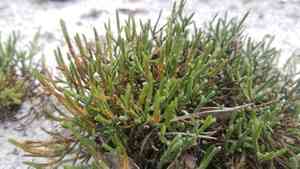
Sand spike-moss (Selaginella arenicola)
Also known as: Sand Spikemoss
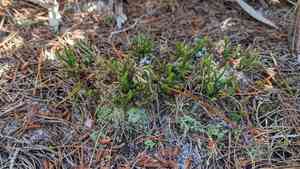
A plant that fits your description is the Sand Spike-Moss (Selaginella arenicola). This hardy ground cover flourishes in sandy soils, where many other plants struggle. It features low-growing, scaly stems with a delicate, ladder-like pattern of green leaves. Adapted to arid conditions, its small, scale-like leaves help reduce water loss, showcasing nature's incredible adaptability to tough environments.
In This Article
Attributes of Sand spike-moss
Lifespan
Perennial
Plant Type
Fern
Plant Height
Up to 10 cm
Spread
Up to 30 cm
Leaf Color
Green
Flower Size
Not applicable
Flower Color
Not applicable
Images of Sand spike-moss
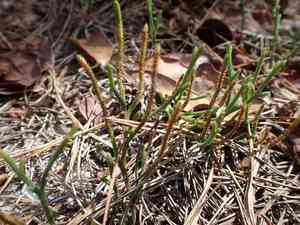
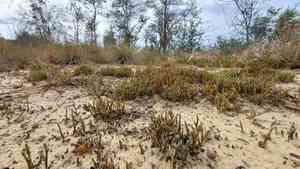
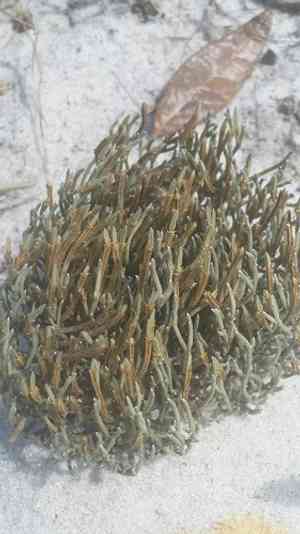
Quickly Identify Sand spike-moss
1
Look for a small, dense mat of scale-like leaves. The plant often grows low to the ground and has a moss-like texture.
Scientific Classification of Sand spike-moss
Phylum
Vascular plants
Class
Club mosses
Order
Selaginellales
Family
Spike-moss
Genus
Spikemosses
Species
Sand spike-moss
Planting and Growing of Sand spike-moss
Care Difficulty
Moderate
Watering Schedule
Every 8 days
Sunlight Requirements
Partial sun
Sunshine Duration
4-6 hours
Ideal Temperature
60-75℉
Soil Type
Potting Mix, Peat Mix
Soil pH
6.5-7.5
Fertilizer Type
Balanced
Pruning Season
Spring, Summer
Pruning Area
Branches, Leaves
Pruning Frequency
2 times a year
Repotting Season
Spring
Pot Type
Plastic, Ceramic
 How to Water Sand spike-moss?
For Selaginella arenicola, the watering should mimic its natural habitat conditions - moist but not waterlogged. It is crucial to keep the soil consistently damp at the surface level, ensuring it doesn't dry out but also doesn’t sit in standing water. This often translates to about 150 ml each time you water, allowing the plant to thrive in a balance of moisture.
What are the symptoms of an underwatered Sand spike-moss?
›
What should I do if my Sand spike-moss is not getting enough water?
›
What are the symptoms of an overwatered Sand spike-moss?
›
How to save an overwatered Sand spike-moss?
›
 What Are the Sunlight Requirements for Sand spike-moss?
Partial sun or full shade is ideal, around 2-4 hours of indirect light daily. This range supports health by providing necessary light without risking leaf burn, promoting robust, vibrant foliage and steady growth.
Ensuring Ideal Sun Exposure
›
Avoiding Overexposure
›
Balancing Lawnmower Maintenance
›
 What Is the Ideal Temperature Range for Sand spike-moss?
Selaginella arenicola thrives in a climate where the temperature is consistently maintained between 60 to 75 degrees Fahrenheit. This range offers a balance of warmth that supports optimal metabolic functions and growth processes. Ensuring these conditions are met can result in a healthier plant and more robust growth.
 What Soil is Best for Sand spike-moss?
Selaginella arenicola thrives in well-drained soils that allow excess water to escape easily. This prevents root rot and ensures the plant can access sufficient oxygen, promoting healthy growth and vitality. This species prefers soil that is rich in organic matter. Organic-rich soils provide essential nutrients that support the plant's development and resilience against environmental stresses. The plant does well in soils that retain moderate moisture without becoming waterlogged. Adequate moisture helps maintain turgidity in plant tissues, which is crucial for the plant's overall health and function.
 How to Fertilize Sand spike-moss?
Selaginella arenicola requires careful fertilization to thrive. For liquid fertilizers, you should dilute the solution to one-quarter of the recommended strength on the packaging, making sure not to overwhelm the plant with nutrients. When using slow-release fertilizers, apply a thin layer around the base of the plant, ensuring not to exceed the limits indicated by the product guidelines.
 How to Prune Sand spike-moss?
Regularly inspect your plant to spot any signs of wilting or decay. Early identification allows you to remove affected areas promptly, preventing potential spread of disease throughout the plant. Over-pruning can lead to stress and hinder growth. Trim only about one-third of the plant at a time to ensure it maintains enough foliage to photosynthesize effectively.
More About Pruning Techniques→
 How to Propagate Sand spike-moss plant?
1
Choose a healthy and mature Selaginella arenicola plant for propagation. Inspect the plant for signs of disease or pests, as propagating from a healthy specimen increases the chances of success.
2
Carefully uproot the plant and gently separate it into smaller sections using a sharp knife or shears. Ensure each section has a portion of roots and healthy foliage attached to support new growth.
3
Plant each divided section into a pot filled with a suitable potting mix. Ensure the roots are properly covered and lightly water to settle the soil around the new divisions.
 How to Repot Sand spike-moss plant?
1
Selaginella arenicola shows signs for repotting when its roots start to become visible at the drainage holes or if you notice the plant's growth is stunted. Additionally, if the soil has turned compacted or the plant appears too large for its pot, it's time to consider repotting.
2
Select a pot that is slightly larger than the current one, with sufficient drainage holes to prevent waterlogging. This will allow the roots to have room to grow, helping the plant stay healthy and thriving, while ensuring excess water can escape easily.
3
Opt for a well-draining sandy soil mixture that allows quick drainage but retains essential moisture. This type of soil mimics Selaginella arenicola’s natural habitat, preventing root rot and providing the necessary conditions for robust growth.



