How to Prune Sand spike-moss?
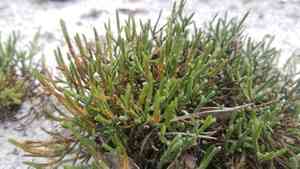
Selaginella arenicola is a moss-like botanical specimen characterized by its delicate, interwoven leaves. To foster robust, compact development, cut back any excessively long or compromised stems in the initial part of spring or the latter portion of winter. Refrain from extensive cutting, as this can negatively impact the plant. Consistent, minor trims aid in preserving its form and deterring elongated stems. Trimming also improves air movement, thereby lowering the likelihood of fungal problems. Always employ sanitized, keen scissors or clippers for accurate incisions.
What Are the Benefits of Pruning Sand Spike-moss?
What Are the Benefits of Pruning Sand Spike-moss?
Trimming sand spike-moss promotes robust development and helps preserve its form. This action is vital for managing its dimensions and ensuring a thick, vibrant look, which can also deter pests and illnesses, thereby fostering overall plant wellness.
What Is the Best Time for Pruning Sand Spike-moss?
What Is the Best Time for Pruning Sand Spike-moss?
Trimming sand spike-moss in early spring or late winter is considered ideal because this period aligns with the plant's dormant phase. During these seasons, sand spike-moss exhibits minimal growth, reducing the risk of shock or stress from pruning. Furthermore, pruning before the active growing season encourages healthier and denser regrowth. This timing ensures that the plant's energy reserves are efficiently utilized for new growth in spring, enhancing its overall vigor and structure. Additionally, it allows gardeners to shape sand spike-moss and control its size before its active growth period begins.
What Tools Do I Need to Prune Sand Spike-moss?
Bypass Pruners
Accuracy is crucial when trimming sand spike-moss. Bypass pruners enable precise cuts near the foliage, minimizing harm and fostering healthy development.
Fine-tip Scissors
The delicate nature of sand spike-moss's leaves necessitates fine-tip scissors for detailed trimming and shaping, ensuring you can access small, intricate areas without crushing the plant.
Pruning Knife
For precise removal of dead or damaged stems, a pruning knife is perfect. It allows for accurate cuts without harming surrounding tissue, essential for promoting healthy new growth.
Blunt-tip Tweezers
Given sand spike-moss's intricate growth pattern, blunt-tip tweezers are useful for gently removing debris and dead material without damaging the plant.
How to Prune Sand Spike-moss
Assessment
Examine sand spike-moss thoroughly to identify any diseased or withered leaves that require removal.
Tool Disinfection
Before beginning the pruning process, sanitize your pruning tools with a 70% isopropyl alcohol solution to prevent disease transmission.
Removal of Diseased Leaves
Carefully snip off any leaves showing signs of illness. Ensure cuts are made as close to the leaf base as possible, leaving no diseased material behind.
Removal of Withered Leaves
Trim away any leaves that are dried or lifeless. These can often be removed by gently pulling or snipping them with clean scissors or pruners.
Disposal and Clean Up
Discard all trimmed material in a way that prevents contact with healthy plants, and tidy the area around sand spike-moss to avert any potential disease spread.
Common Pruning Mistakes with Sand Spike-moss
Over-pruning
Trimming too much at once can stress sand spike-moss, leading to stunted growth or even plant demise. This species requires a gentle approach to maintain its health.
Improper Technique
Using dull or unsuitable tools can result in jagged cuts that expose the plant to disease. Always use sharp, clean shears.
Pruning at Wrong Length
Cutting too close to the base or leaving overly long stubs can harm the plant. Aim for careful, moderate trimming.
Ignoring Dead or Diseased Parts
Failing to remove dead or diseased foliage can cause the condition to spread, affecting the entire plant.
Common Pruning Tips for Sand Spike-moss
Use Sharp, Clean Tools
Always use sharp, sterilized pruning shears to make clean cuts and prevent the spread of disease.
Trim Moderately
Focus on trimming back the tips and dead or overgrown sections without removing too much foliage at once. This helps maintain the plant's shape and encourages healthy growth.
Focus on Healthy Cuts
Make cuts at an angle and just above a node or branching point to promote new growth and minimize damage.
Regular Inspection
Regularly inspect sand spike-moss for signs of overgrowth, dead foliage, or disease, and prune as necessary to maintain the plant's health and appearance.



