How to Transplant Hairy stonecrop?
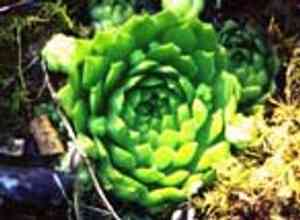
Hairy stonecrop transplantation flourishes most effectively when relocated within the valuable period spanning early spring to the brink of summer, facilitating delicate root integration. Select a location offering abundant light and soil that drains efficiently, and offer supportive affirmations as they acclimate to their new environment.
Essential Preparations Before Relocating Hairy Stonecrop?
What is the Optimal Period for Moving Hairy Stonecrop?
The best time to move hairy stonecrop is from the start of early spring until the peak of late spring. This period offers mild temperatures and increasing daylight, which are ideal for root development, boosting hairy stonecrop's chances of flourishing. Transplanting hairy stonecrop during this phase allows it to adjust to its new spot with the gentle spring weather, promising strong growth ahead.
How Much Room Should Be Left Between Hairy Stonecrop Plants?
Prior to moving hairy stonecrop, it's best to provide ample room for growth. Aim for a separation of approximately 4-6 inches (10-15 cm) between them. This ensures sufficient space for them to expand and develop without competing for essential resources.
What is the Best Soil Blend for Hairy Stonecrop Relocation?
Prepare your soil for hairy stonecrop by aiming for a mix that drains well. A good sandy or loamy soil is perfect. Before planting, incorporate a balanced, slow-release fertilizer to give your hairy stonecrop a healthy beginning.
Where Should You Replant Your Hairy Stonecrop?
Hairy stonecrop thrives with some sun exposure! Seek out a location that receives partial to full sunlight. This typically means a spot where direct sunlight is present for at least half the day, promoting optimal growth and vitality.
What Tools Should You Prepare Before Moving Hairy Stonecrop?
Gardening Gloves
To safeguard your hands while handling soil and the plant.
Hand Trowel
For digging and moving the hairy stonecrop plant.
Watering Can or Hose with Sprinkler Attachment
To hydrate the hairy stonecrop in its new location and maintain soil moisture.
Spade or Shovel
For loosening the soil around the hairy stonecrop when extracting it from the ground.
Garden Fork
To assist in lifting the plant with minimal root disturbance.
Wheelbarrow or Plant Cart
To comfortably transport the hairy stonecrop and soil.
Pruning Shears
To trim any damaged roots or foliage before replanting.
How Do You Extract Hairy Stonecrop from the Soil?
How Do You Extract Hairy Stonecrop from the Soil?
From Ground: Moisten the hairy stonecrop plant to dampen the soil, which helps keep the root ball intact. Use a spade or shovel to dig around the plant, being generous to avoid cutting into the roots. Gently work the tool underneath to pry the plant free.From Pot: Tilt the pot sideways and gently tap the bottom to loosen the hairy stonecrop. If the plant doesn't slide out, run a hand trowel around the inside edge to detach the roots from the pot.From Seedling Tray: Use a hand trowel or a spoon to scoop out the hairy stonecrop seedling, ensuring a good amount of soil remains around the roots to avoid stress.
Step-by-Step Guide for Relocating Hairy Stonecrop
Preparation
Water the hairy stonecrop before beginning the removal process to reduce transplant shock.
Digging the New Hole
Loosen the soil in the new planting spot to twice the width of the hairy stonecrop root ball and the same depth.
Removing hairy stonecrop
Refer to the extraction method based on where the hairy stonecrop is currently growing.
Plant Inspection
Examine the hairy stonecrop's roots for any signs of disease or damage and use pruning shears to trim if necessary.
Planting
Position the hairy stonecrop in the center of the new hole. Fill the area around the roots with soil, gently firming to eliminate air pockets.
Watering
Thoroughly water the hairy stonecrop at its base to settle the soil and provide moisture to the roots.
How Do You Care For Hairy Stonecrop After Relocation?
Watering
Maintain adequate moisture for the hairy stonecrop without overwatering, aiming for a balance to encourage root growth.
Mulching
Apply a layer of organic mulch around the hairy stonecrop to help retain soil moisture and regulate temperature.
Pruning
Trim back any foliage that was damaged during transplanting to allow the hairy stonecrop to dedicate energy to root establishment.
Monitoring
Keep an eye on the hairy stonecrop for signs of transplant shock, such as wilting or discolored leaves, and react accordingly with proper care.
Addressing Common Issues with Hairy Stonecrop Relocation.
Why is my hairy stonecrop wilting after transplanting?
Wilting can be due to root shock or insufficient watering. Gently water the soil to keep it moist, but not soggy, easing the transition.
When's the best time to transplant hairy stonecrop?
Transplant hairy stonecrop when the weather is cooler, during early to late spring, to avoid heat stress and give it time to establish.
How often should I water hairy stonecrop post-transplant?
Initially, water hairy stonecrop daily to help roots settle. Reduce frequency once established, allowing soil to dry slightly between watering.
What spacing is needed for hairy stonecrop transplants?
Space hairy stonecrop about 4-6 inches (10-15 cm) apart. Proper spacing ensures adequate air circulation and reduces competition for nutrients.
Should I fertilize hairy stonecrop when transplanting?
Wait 3-4 weeks before fertilizing hairy stonecrop to prevent burning tender new roots. Use a balanced, slow-release fertilizer.
Why is my hairy stonecrop not growing after transplant?
Stunted growth could be due to root damage during transplant, too much or too little water, or poor soil conditions. Assess and adjust care.
Can hairy stonecrop be transplanted in pots?
Absolutely! Ensure pots have drainage holes, and use well-draining soil mix to prevent root rot.
How deep should I plant hairy stonecrop during transplanting?
Plant hairy stonecrop at the same depth it was in the previous container or ground to prevent stem rot and encourage root growth.
Can I divide hairy stonecrop while transplanting?
Yes, divide hairy stonecrop by gently separating the roots and replanting immediately to minimize root exposure.
My hairy stonecrop is yellowing post-transplant, what's wrong?
Yellowing may indicate too much sun or water. Acclimate hairy stonecrop to the new location gradually and check the moisture level of the soil.



