How to Prune Hairy stonecrop?
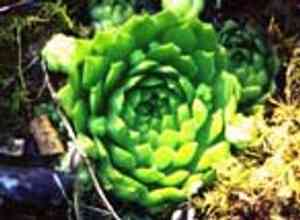
This resilient succulent flourishes with infrequent trimming. To preserve hairy stonecrop's dense form and stimulate robust development, snip off any withered or compromised leaves in the spring. Strategic cuts in the summer months can enhance air movement. Pruning prior to its winter resting period is optimal for shaping and managing its expansion. Detach faded blossoms to encourage fresh blooms. Consistent removal of spent flowers boosts hairy stonecrop's vivid look and vitality, guaranteeing a strong presentation during its active growth phases.
Why Prune Hairy Stonecrop?
Why Prune Hairy Stonecrop?
Pruning hairy stonecrop is crucial for promoting robust growth and maintaining its form. Regular trimming helps eliminate dead or overly dense stems, improving light penetration and air circulation, which in turn supports the plant's health and visual appeal.
When to Prune Hairy Stonecrop?
When to Prune Hairy Stonecrop?
Pruning hairy stonecrop in early spring is optimal as it precedes the start of the growing season. This timing allows hairy stonecrop to recover swiftly and channel energy into producing new growth. Late summer pruning is suitable for shaping the plant or managing its size after the main blooming period, ensuring minimal disruption to its flowering cycle. Lastly, early fall is appropriate for light pruning to remove any dead or damaged foliage before hairy stonecrop enters winter dormancy. During these periods, stress and disease risks are minimized, and growth benefits for hairy stonecrop are maximized.
Tools for Pruning Hairy Stonecrop
Bypass Pruners
These are ideal for making precise, clean cuts, beneficial for the small, delicate stems of hairy stonecrop.
Scissors or Snips
Perfect for detailed work on hairy stonecrop, such as thinning or removing damaged leaves.
Gloved Hands
Sometimes, the best tool is the gardener's hands, especially for pinching off spent flowers or dead leaves from hairy stonecrop.
How to Prune Hairy Stonecrop
Disinfect tools
Before beginning, ensure your pruning tools are clean and disinfected to prevent disease transmission to hairy stonecrop.
Identify withered leaves
Carefully examine hairy stonecrop to locate withered leaves that need removal. These are typically discolored, dry, and may be brittle.
Snip leaves
Using sharp scissors or pruning shears, snip withered leaves at their base where they meet the stem or main plant body. Be careful not to harm healthy tissue.
Clean up
Remove all trimmed foliage from the area around hairy stonecrop to deter pests or diseases from establishing.
Inspect plant
After pruning, check hairy stonecrop for any signs of stress or additional areas needing future attention. Also, assess the plant's shape and structure for a balanced look.
Common Pruning Errors with Hairy Stonecrop
Overpruning
Excessive removal of foliage can stress hairy stonecrop and hinder its ability to store energy for growth.
Ignoring plant health
Pruning without first evaluating hairy stonecrop's health may worsen existing issues, such as disease or pest infestations.
Using dull tools
Employing tools that are not sharp can damage stems, increasing the risk of infection or an uneven healing process.
Tearing stems
Incorrect technique, such as tearing instead of cutting, can harm hairy stonecrop's delicate stems, potentially exposing the plant to diseases.
General Pruning Advice for Hairy Stonecrop
Clean cuts
Make clean, sharp cuts to avoid unnecessary damage and promote faster healing for hairy stonecrop.
Prune for shape
Trim hairy stonecrop to maintain its natural mounded form, which enhances its aesthetic appeal and allows for uniform growth.
Remove dead material
Carefully prune away dead or damaged stems to encourage hairy stonecrop's vitality and prevent disease spread.
Judicious thinning
Thin out crowded areas to improve air circulation, which is crucial for hairy stonecrop's health, especially after flowering.



