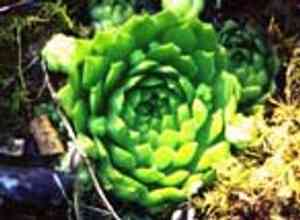
Hairy stonecrop (Sedum villosum)
Also known as: Bearded Stonecrop
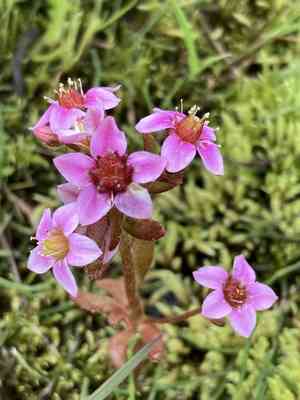
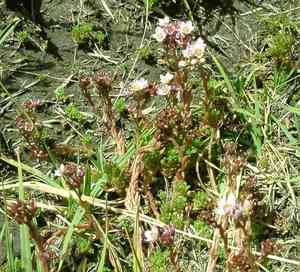
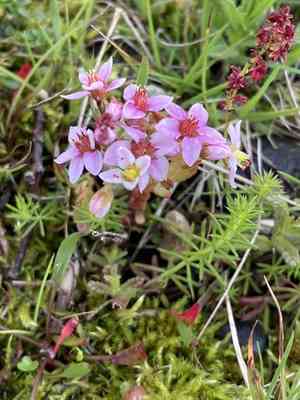
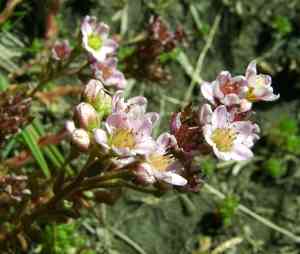
The hairy stonecrop, a red succulent perennial, thrives in rocky or stony soils and is notable for its small, hair-like stems. The leaf color varies with water availability, and it produces an abundance of small, showy pink flowers in the summer.
In This Article
Attributes of Hairy stonecrop
Lifespan
Annual, Biennial, Perennial
Plant Type
Herb
Plant Height
8 cm to 10 cm
Spread
Approximately the same as height, forming a small, low mound.
Leaf Color
Green with a tint of red or pink
Flower Size
5 mm
Flower Color
Purple Pink
Images of Hairy stonecrop
Quickly Identify Hairy stonecrop
1
Identify Sedum villosum by its small, cylindrical leaves covered in fine hairs and its star-shaped pink flowers, which typically bloom in clusters. Look for it in moist, boggy areas.
Scientific Classification of Hairy stonecrop
Phylum
Vascular plants
Class
Dicotyledons
Order
Saxifragales
Family
Stonecrop
Genus
Stonecrops
Species
Hairy stonecrop
Planting and Growing of Hairy stonecrop
Care Difficulty
Easy
Watering Schedule
Every 2 days
Sunlight Requirements
Partial sun
Sunshine Duration
4-6 hours
Ideal Temperature
60-70℉
Soil Type
Potting Mix, Peat Mix
Soil pH
6.5-7.5
Fertilizer Type
Balanced
Pruning Season
Spring, Summer
Pruning Area
Branches, Leaves
Pruning Frequency
2 times a year
Repotting Season
Spring
Pot Type
Plastic, Ceramic
 How to Water Hairy stonecrop?
Sedum villosum needs a delicate balance in watering. Water until the soil is moderately damp, ensuring excess water drains away. Avoid waterlogging, which can harm its roots. The best rule is to give water when the top inch of soil feels dry.
What are the symptoms of an underwatered Hairy stonecrop?
›
What should I do if my Hairy stonecrop is not getting enough water?
›
What are the symptoms of an overwatered Hairy stonecrop?
›
How to save an overwatered Hairy stonecrop?
›
 What Are the Sunlight Requirements for Hairy stonecrop?
Partial sun, equivalent to 4-6 hours daily, suits Sedum villosum well. Optimal sunlight enhances its photosynthesis, promoting strong, vibrant growth and robust, healthy foliage.
What is the best lighting setup for Sedum villosum?
›
How can I ensure Sedum villosum gets the right amount of light?
›
What are the advantages of proper light for Sedum villosum?
›
 What Is the Ideal Temperature Range for Hairy stonecrop?
Sedum villosum thrives in a moderate temperature range that replicates its natural habitat conditions. Ideally, a temperature between 60°F to 70°F is suitable for optimal growth. Ensure these conditions to encourage vigorous growth and prevent stress on the plant.
 What Soil is Best for Hairy stonecrop?
Sedum villosum thrives in well-drained soils that prevent waterlogging. Proper drainage helps avert root rot, ensuring healthy growth and vibrant foliage. This plant prefers soil with moderate nutrient content. Balanced nutrients support its growth and assist in maintaining the plant’s natural resilience and flowering capabilities. Consistently moist soil is crucial for Sedum villosum. Retaining slight moisture benefits the plant's hydration, enabling sustained physiological processes and blooming.
 How to Fertilize Hairy stonecrop?
For Sedum villosum, it's crucial to balance the fertilizer amount carefully. Use a diluted liquid fertilizer at half the recommended strength for most succulents. Around 10-20 ml per liter of water should be adequate. Overfeeding can lead to excessive growth, which might not be ideal for this hardy stonecrop.
 How to Prune Hairy stonecrop?
Begin by removing any dead or diseased stems to prevent any potential infections from spreading throughout the plant. This first step is crucial in maintaining the overall health of your Sedum villosum. Gently shape the plant by trimming back any long, leggy stems. Focus on creating a balanced, rounded appearance to enhance the plant's natural beauty. This shaping will help the plant distribute its energy more evenly. Cut back any stems that have flowered, as this will encourage bushier plants with more flowering potential. Pinch back the tips to stimulate fresh growth and blooms.
More About Pruning Techniques→
 How to Propagate Hairy stonecrop plant?
1
Fill a propagation tray with a well-draining soil mix. Scatter the Sedum villosum seeds evenly, and then cover them lightly with a thin layer of soil. Mist the surface gently to maintain moisture.
2
Select healthy, disease-free stems and cut a 3-4 inch section just below a node. Remove the lower leaves to expose a few inches of the stem. Dip the cut end in rooting hormone to encourage root development.
3
Carefully remove the parent plant from its pot and gently tease apart the roots. Ensure each division has adequate roots and a few stems. Replant them in containers filled with the appropriate soil mix.
 How to Repot Hairy stonecrop plant?
1
Watch for slowed growth or roots emerging from drainage holes. These are clear signals that your Sedum villosum needs repotting. Spring and early summer are ideal for repotting as the plant is actively growing and can recover quickly from any transplant shock.
2
Select a pot that is only slightly larger than the current one. This prevents overwatering, as less soil means better drainage. Ensure the pot has sufficient drainage holes to facilitate excess water flow, preventing root rot in Sedum villosum plants.
3
Choose a well-draining sandy soil mix enriched with organic matter. This soil type ensures proper drainage while providing necessary nutrients, allowing the succulent roots to breathe and reducing the risk of rot or fungal infections.



