How to Transplant California skullcap?
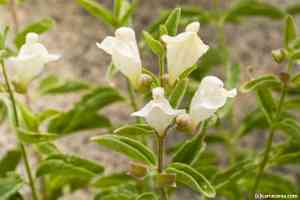
California skullcap flourishes most effectively when relocated from the beginning to the end of spring, since warmer ground aids in root development. Choose a spot with ample sunlight or partial shade and soil that drains well for peak performance. Refrain from needlessly disrupting the root system during this procedure.
What Preparations are Needed Before Transplanting California Skullcap?
What is the Ideal Time for Transplanting California Skullcap?
For california skullcap, the optimal period for relocation extends from early spring to its full development. This timing guarantees sufficient soil moisture and warmth, promoting strong root growth. Moving the plant during this window minimizes stress and maximizes its potential for growth, allowing it to benefit from the entire upcoming growing season.
How Much Space Should You Leave Between California Skullcap Plants?
Position each california skullcap plant approximately 12-18 inches (30-45 cm) apart. This spacing provides ample room for development and improves air circulation, thereby lowering the risk of disease. Remember, they appreciate a bit of personal space!
What is the Best Soil Mix for California Skullcap Transplanting?
For california skullcap, select a well-draining soil enriched with compost or organic material. A foundational fertilizer high in phosphorus (such as bone meal) will encourage robust root formation. Aim for soil that remains damp but not waterlogged.
Where Should You Relocate Your California Skullcap?
Place california skullcap in an area that receives full to partial sunlight, approximately 6-8 hours daily. It flourishes best in spots that get morning sun and afternoon shade, ensuring its comfort and vitality.
What Equipments Should You Prepare Before Transplantation California Skullcap?
Gardening Gloves
To safeguard your hands while handling soil and plants.
Shovel or Spade
For excavating the plant and preparing a hole in its new spot.
Trowel
Useful for managing smaller plants or operating in confined areas.
Garden Fork
To assist in loosening the soil around the plant without harming its roots.
Wheelbarrow or Bucket
For moving the plant to its new location.
Watering Can or Hose
To hydrate the plant both before and after its relocation.
Mulch
To aid in retaining moisture and regulating soil temperature around the newly transplanted plant.
How Do You Remove California Skullcap from the Soil?
How Do You Remove California Skullcap from the Soil?
From Ground: First, moisten the california skullcap plant to dampen the surrounding soil. Next, dig a wide trench around the plant using a shovel or spade, ensuring the plant's root ball stays intact. Carefully work the spade beneath the root ball to lift the plant from its original position.From Pot: Water the california skullcap plant thoroughly before extraction. Gently tilt the pot sideways and slide the plant out, taking care to preserve the root ball. You may need to lightly tap the pot to loosen the soil.From Seedling Tray: Water the california skullcap plant completely. Use a trowel or your fingers to carefully lift the seedlings from the tray, making sure to extract as much of the root ball as possible without damaging the roots.
Step-by-Step Guide for Transplanting California Skullcap
Prepare the New Site
Ensure the new planting site is ready by digging a hole that is twice as wide and equally as deep as the root ball of the california skullcap plant.
Remove the Plant
Follow the specific removal procedure based on the california skullcap's original placement (ground, container, or seedling tray).
Transport the Plant
Utilize a wheelbarrow or bucket to move the california skullcap plant to its new spot without disturbing the roots.
Plant the california skullcap
Position the california skullcap plant in the hole, making sure it sits at the same depth as it was in its previous location. Backfill with soil, gently pressing it down to eliminate air pockets.
Water the Plant
Thoroughly water the newly transplanted california skullcap plant to help settle the soil and encourage root establishment in the new area.
Apply Mulch
Spread a layer of mulch around the base of the california skullcap plant to help retain moisture and deter weed growth.
How Do You Care For California Skullcap After Transplanting?
Watering
Keep the soil around the california skullcap consistently damp, but not waterlogged, for the initial few weeks post-transplant to aid in developing strong roots.
Mulching
Replenish mulch as necessary to maintain a 2- to 3-inch layer, avoiding direct contact with the stem of the california skullcap plant.
Monitoring
Regularly inspect the california skullcap plant for indications of transplant shock, such as wilting or yellowing leaves, and modify care as needed by providing more or less water.
Support
If required, provide stakes or supports to help the california skullcap plant remain upright while its roots become established in the new location.
Troubleshooting Common Issues with California Skullcap Transplantation.
When is the best time to transplant california skullcap?
Relocate california skullcap from early spring through late spring for optimal growth and establishment.
How should I space the california skullcap plants?
Space california skullcap plants 12-18 inches (30-45 cm) apart to ensure sufficient room for growth.
What soil type is best for transplanting california skullcap?
California skullcap thrives in well-draining, loamy soil that is slightly acidic to neutral.
How deep should I plant california skullcap?
Plant california skullcap at the same depth it was growing previously to minimize stress.
Should I water california skullcap immediately after transplanting?
Yes, water california skullcap thoroughly right after transplanting to help settle the soil around the roots.
How do I handle root-bound california skullcap during transplanting?
Gently untangle or trim the roots if california skullcap is root-bound to promote new growth.
What is the ideal temperature range for transplanting california skullcap?
Transplant california skullcap when temperatures are between 60-70°F (15-21°C) for optimal results.
Is it necessary to provide shade after transplanting california skullcap?
Providing partial shade can help reduce transplant shock for the initial few days.
How often should I water california skullcap after transplanting?
Keep soil consistently moist but not waterlogged, watering every few days initially.
Should I fertilize california skullcap when transplanting?
Avoid immediate fertilization; allow california skullcap to establish for a few weeks before adding nutrients.



