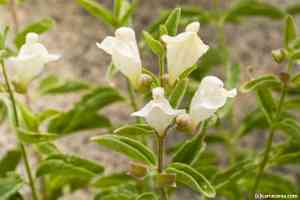
California skullcap (Scutellaria californica)
Also known as: California Skullcap
California skullcap (Scutellaria californica) is a perennial herb native to California that showcases striking blue-purple tubular flowers, attracting bees and other pollinators. The plant has upright green stems with small, ovate leaves that feature slightly serrated edges. It flourishes in well-drained, sandy or rocky soils and prefers sunny locations. Adapted to the Mediterranean climate of the region, it is commonly found in open woodlands, chaparral, and coastal scrub, demonstrating significant drought resistance suited to California's dry seasons.
In This Article
Attributes of California skullcap
Lifespan
Perennial
Plant Type
Herb
Plant Height
0.3 to 0.5 meters
Spread
Not applicable
Leaf Color
Green
Flower Size
Up to 1.5 centimeters
Flower Color
Blue, Lavender
Images of California skullcap
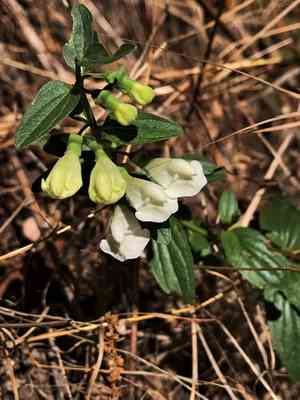
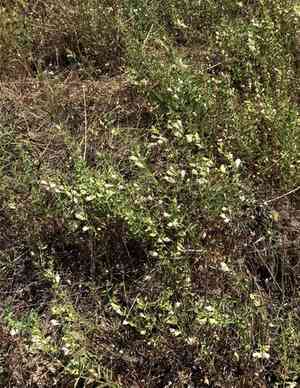
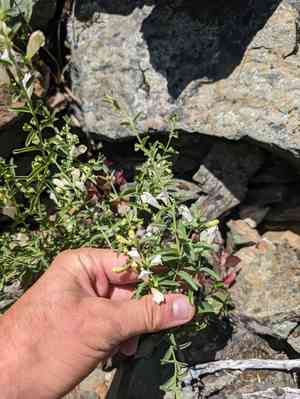
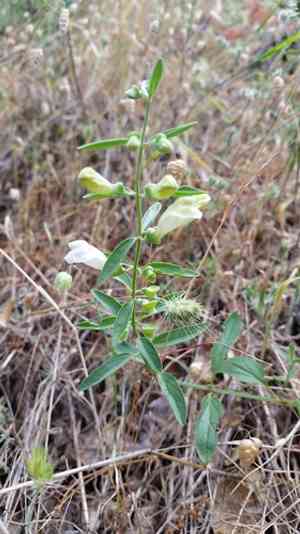
Quickly Identify California skullcap
1
This plant can be identified by its distinctive blue or lavender tubular flowers and square stems, a characteristic feature of the mint family. It has opposite leaves that are typically lance-shaped.
Scientific Classification of California skullcap
Phylum
Vascular plants
Class
Dicotyledons
Order
Lamiales
Family
Mint
Genus
Skullcap
Species
California skullcap
Planting and Growing of California skullcap
Care Difficulty
Moderate
Watering Schedule
Every 3 days
Sunlight Requirements
Partial sun
Sunshine Duration
4-6 hours
Ideal Temperature
60-75℉
Soil Type
Potting Mix, Peat Mix
Soil pH
6.5-7.5
Fertilizer Type
Balanced
Pruning Season
Spring, Summer
Pruning Area
Branches, Leaves
Pruning Frequency
2 times a year
Repotting Season
Spring
Pot Type
Plastic, Ceramic
 How to Water California skullcap?
When watering Scutellaria californica, ensure the soil becomes evenly moist but not waterlogged. Aim for around 200 milliliters per watering. The plant appreciates a good soak, allowing the water to permeate down to the roots, which helps stabilize the soil and maintain a healthy root environment.
What are the symptoms of an underwatered California skullcap?
›
What should I do if my California skullcap is not getting enough water?
›
What are the symptoms of an overwatered California skullcap?
›
How to save an overwatered California skullcap?
›
 What Are the Sunlight Requirements for California skullcap?
Partial sun with dappled morning light ensures robust growth and prevents common light-related issues like leaf burn.
Optimal Sunlight Exposure
›
Solutions for Optimal Light
›
Benefits of Ideal Sunlight
›
 What Is the Ideal Temperature Range for California skullcap?
For optimal growth, Scutellaria californica thrives in a temperature range of 60°F to 75°F. This range provides the perfect balance, allowing the plant to perform essential physiological functions efficiently. Maintaining this temperature spectrum helps in supporting robust photosynthesis and nutrient uptake, promoting lush and healthy growth.
 What Soil is Best for California skullcap?
Scutellaria californica thrives in well-drained soils that prevent waterlogging, which can cause root rot. A well-drained environment ensures that the roots can access the air and nutrients necessary for optimal growth. A substrate rich in organic matter provides Scutellaria californica with essential nutrients. This enriches the plant’s development, leading to increased leaf vibrancy and more prolific flowering. This plant prefers soil that retains moderate moisture without becoming soggy. Keeping it moist but not wet helps to sustain the delicate balance of nutrients and oxygen, fostering robust growth.
 How to Fertilize California skullcap?
Scutellaria californica thrives with a balanced approach to fertilization. When using liquid fertilizer, a dilute solution of about half the strength recommended on the label is sufficient. This ensures the plant receives nutrients without overwhelming its roots. A slow-release fertilizer, used sparingly three times a year, should also follow a balanced N-P-K ratio, providing consistent nutrients without risking nutrient burn.
 How to Prune California skullcap?
Start by identifying any dead or discolored leaves or stems. Carefully trim these back to the base, as removing these sections encourages new, healthy growth. Gently trim back overgrown areas to maintain the plant’s desired size and shape. This not only controls its growth but also allows light and air circulation, which are crucial for reducing mold and mildew. Prune just after blooming in early summer to encourage a second flush of flowers. Cut back just above a set of healthy leaves or where new growth is visible to maximize blooming and keep the plant vigorous.
More About Pruning Techniques→
 How to Propagate California skullcap plant?
1
Stratify seeds by placing them in a refrigerator for four weeks to mimic winter conditions. This improves germination rates by breaking seed dormancy.
2
Select healthy stems and cut them just below a node. Ensure each cutting is about 3-4 inches long and has several sets of leaves, but remove the lower leaves.
3
Dig up the plant carefully in early spring before new growth starts. Use a sharp spade to divide the roots, ensuring each section has both roots and shoots.
 How to Repot California skullcap plant?
1
Signs that Scutellaria californica needs repotting include roots growing out of the drainage holes, slow growth, and compacted soil. The best time to repot is during its active growing season in spring or summer, as the plant can recover more quickly during these periods.
2
Select a pot that is just one size larger than the current one. Ensure it has adequate drainage holes to prevent waterlogging. Terracotta pots are ideal because they allow excess moisture to evaporate, reducing the risk of root rot and encouraging healthy root development.
3
Opt for a well-draining potting mix specifically for cacti or succulents. This type of soil is ideal as it prevents water retention, reducing the risk of root rot and ensuring that roots receive the necessary oxygen for healthy growth.
Learn More About California skullcap Diseases
Anthracnose
Bacterial Leaf Spot
Bacterial Soft Rot
Bacterial Wilt
Black Spot
Chemical Injury
Crown Gall
Cyst Nematode
Damping-off
Downy Mildew
Drought Stress
Fusarium Wilt
Gray Mold
Leaf Curl
Leaf Spot
Mosaic
Nutrient Deficiency
Nutrient Toxicity
Powdery Mildew
Root Rot
Root-knot Nematode
Rusts
Sooty Mold
Spider Mites
Temperature Stress
Thrips Damage
White Mold



