How to Propagate California skullcap?
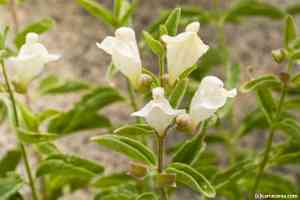
Scutellaria californica is a perennial herb prized for its therapeutic qualities and subtle blue to violet blossoms. To propagate, plant seeds in a porous growing medium with ample light to facilitate sprouting. Ensure the substrate stays uniformly damp, avoiding saturation. Young plants flourish optimally when shielded from harsh temperatures. Supplying sufficient room fosters robust development and lessens rivalry for nutrients.
When Is the Optimal Time to Propagate California Skullcap?
Propagation Method
Sowing
Propagation Period
Spring
What Equipment Is Utilized in California Skullcap Propagation?
Seed Trays
Seed trays aid in organizing seeds and offer a regulated environment for sprouting. They guarantee uniform moisture distribution and proper air circulation, both vital for successful california skullcap germination.
Seedling Heat Mat
A seedling heat mat maintains a steady soil temperature, which can boost germination rates for california skullcap. This is crucial as minor temperature shifts can delay or prevent seed sprouting.
Humidity Dome
A humidity dome assists in retaining moisture within the seed trays, creating a microenvironment beneficial for the initial growth phases of california skullcap. This prevents seeds from drying out and increases successful propagation chances.
Seed Sowing Compost
Seed sowing compost offers an ideal growing medium with the correct balance of nutrients, aeration, and moisture retention required by california skullcap. This specialized compost supports robust root development and overall plant vitality.
Fine Mist Spray Bottle
A fine mist spray bottle is employed to gently water california skullcap seeds and young seedlings without disturbing the soil or dislodging the seeds. This helps maintain consistent moisture levels essential for germination.
Labels and Markers
Utilizing labels and markers helps track various seed batches and their sowing dates. This is critical for monitoring progress and ensuring organized care for california skullcap.
Seed Dibber
A seed dibber enables precise and consistent depth planting of seeds, which is crucial for the uniform growth of california skullcap. Accurate planting depth is important for optimal germination conditions and seedling development.
Scalpel or Sharp Knife
A scalpel or sharp knife might be necessary for scarifying seeds, if required, to enhance water absorption and accelerate germination. This tool ensures a clean cut without harming the seed.
How to Propagate California Skullcap?
Propagation Type
Easy
How to Nurture Your Newly Propagated California Skullcap?
How to Nurture Your Newly Propagated California Skullcap?
Once california skullcap seedlings have developed at least two true leaves, they can be transplanted into larger containers or directly into the garden. Ensure they are placed in well-draining soil in a location with partial to full sun. Water the young plants regularly, allowing the soil to dry slightly between waterings. Apply mulch around the plants to help retain moisture and suppress weeds. As they mature, california skullcap will benefit from occasional trimming to encourage bushier growth and more blooms. Regular inspection for pests and diseases will help keep the plants healthy and thriving.
Common Errors to Avoid When Propagating California Skullcap
Overwatering
Excessive moisture can lead to root rot and fungal diseases, impeding root development and overall plant health.
Incorrect Soil Composition
Using soil with poor drainage can suffocate roots and prevent oxygen from reaching them, stunting growth and causing decay.
Insufficient Light
Inadequate light reduces photosynthesis, which is crucial for young plants to grow and establish.
Neglecting Seed Stratification
Failing to stratify seeds can prevent germination, as some may require a period of cold treatment to break dormancy.
Tips For Propagating California Skullcap
Ensure Proper Drainage
Use well-draining soil to prevent water logging and promote healthy root growth.
Moderate Watering
Water the plant sparingly, allowing the soil to dry out slightly between watering to avoid root rot.
Optimize Light Conditions
Place cuttings or seedlings in a location with ample sunlight to ensure sufficient energy for growth.
Seed Stratification
If starting from seed, consider vernalizing by chilling seeds for a couple of weeks to mimic natural conditions and enhance germination rates.
Use Clean Tools
Always use sterilized tools for cutting and handling to prevent the spread of diseases and pests.



