How to Transplant Prickly scorpion's-tail?
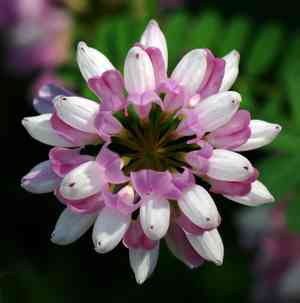
Relocate prickly scorpion's-tail during the spring season, from its initial stages through its peak, to ensure vigorous development. Choose a bright spot with soil that drains effectively, and although moving it isn't always necessary, careful handling promotes thriving.
Essential Preparations Before Relocating Prickly Scorpion's-tail?
Optimal Period for Relocating Prickly Scorpion's-tail?
Initiate the relocation of prickly scorpion's-tail as the soil begins to warm, coinciding with the spring season's onset. This timing promotes vigorous development. Placing prickly scorpion's-tail into the ground during springtime's peak ensures they benefit from longer days and milder nights, providing an advantageous start. This seasonal transition for prickly scorpion's-tail optimizes root establishment, preceding the intensity of summer.
Recommended Spacing Between Prickly Scorpion's-tail Plants?
Prior to moving your prickly scorpion's-tail to its new spot, proper spacing is crucial. Aim for approximately 4-6 inches (10-15 cm) between each plant. This provides ample room for growth without competition, ensuring they flourish!
Ideal Soil Mixture for Prickly Scorpion's-tail Relocation?
Prickly scorpion's-tail thrives in well-draining soil. Incorporate compost or a balanced, slow-release fertilizer to give them the best start. Enriching the soil with these nutrients will support robust growth for your plants.
Optimal Location for Prickly Scorpion's-tail Relocation?
Select a sunny location for your prickly scorpion's-tail, as they enjoy ample sunlight. They require at least 6 hours of direct sun daily, making a south-facing area ideal. In hotter climates, some afternoon shade can prevent overheating.
Equipment Needed Before Transplanting Prickly Scorpion's-tail?
Gardening Gloves
To safeguard your hands while handling soil and plants.
Trowel
For excavating small holes and shifting earth.
Watering Can or Hose
To hydrate the plant before and after its move.
Spade or Shovel
For digging larger holes if the plant is more mature.
Garden Fork
To loosen the soil around the plant's root system prior to extraction.
Pruning Shears
For trimming any damaged roots or foliage.
Wheelbarrow or Plant Pot
To easily transport the prickly scorpion's-tail plant and soil.
Garden Kneeler or Knee Pads
For comfortable kneeling during ground work.
How to Extract Prickly Scorpion's-tail from the Soil?
How to Extract Prickly Scorpion's-tail from the Soil?
From Ground: Hydrate the prickly scorpion's-tail plant to moisten the soil, facilitating easier removal and root protection. Carefully dig a wide circle around the plant with a spade, ensuring the root ball remains intact. Once loose, slide the spade beneath the root ball and gently lift the prickly scorpion's-tail from the ground.From Pot: Ensure the soil is damp, then turn the pot sideways, holding the prickly scorpion's-tail plant by its base. Tap the bottom and sides of the pot to loosen the root ball. If needed, squeeze plastic pots to dislodge the roots before carefully removing the prickly scorpion's-tail.From Seedling Tray: Water the soil first to minimize root disturbance. Use a trowel or your fingers to gently lift the prickly scorpion's-tail seedling from its cell, making sure to support the root area and prevent damage.
Step-by-Step Guide for Relocating Prickly Scorpion's-tail
Preparation
Thoroughly water your prickly scorpion's-tail's soil before beginning to minimize stress and shock to the plant.
Digging
Excavate a hole in the new location that is twice as wide and of equal depth to the prickly scorpion's-tail's root ball to prevent root constriction.
Placement
Carefully position the prickly scorpion's-tail into the hole, ensuring the top of the root ball is level with the surrounding soil surface.
Filling
Begin refilling the hole with soil, gently patting down around the roots to eliminate air pockets without compacting the soil.
Watering
Immediately after planting, generously water the prickly scorpion's-tail to settle the soil and hydrate the roots, aiding in recovery from transplant shock.
Post-Transplant Care for Prickly Scorpion's-tail
Initial Watering
Water your prickly scorpion's-tail deeply after planting to help it establish. Maintain consistent moisture in the days following the transplant.
Mulching
Apply a layer of mulch around the base of the prickly scorpion's-tail to help retain soil moisture and regulate temperature.
Pruning
Trim any broken or damaged foliage to direct the prickly scorpion's-tail's energy towards root establishment.
Monitoring
Regularly inspect the prickly scorpion's-tail for signs of stress, such as wilting or discolored leaves, and address issues promptly.
Supporting
If the prickly scorpion's-tail is tall or unstable, provide support with stakes or a trellis to encourage upright growth.
Resolving Common Issues with Prickly Scorpion's-tail Relocation.
When is the best time to relocate prickly scorpion's-tail?
The optimal period to relocate prickly scorpion's-tail is from early to mid-spring when the weather is mild.
What spacing should I use for prickly scorpion's-tail when relocating?
Ensure each prickly scorpion's-tail has adequate room to flourish by spacing them 4-6 inches (10-15 cm) apart.
Why are my relocated prickly scorpion's-tail wilting after planting?
Wilting may indicate shock or insufficient hydration. Keep the soil consistently moist and initially avoid direct sunlight.
What is the ideal soil for relocating prickly scorpion's-tail?
Prickly scorpion's-tail prefers well-draining soil, enriched with organic matter to provide a nourishing environment.
How deep should I plant prickly scorpion's-tail seedlings when relocating?
Plant prickly scorpion's-tail at the same depth it grew in its original container to prevent root suffocation.
Can I relocate prickly scorpion's-tail on a hot, sunny day?
Relocating prickly scorpion's-tail on a cooler, overcast day is preferable to minimize transplant stress and dehydration.
How to water prickly scorpion's-tail after relocating?
Water prickly scorpion's-tail thoroughly to settle the soil around the roots and provide sufficient moisture for establishment.
Should I use fertilizer when relocating prickly scorpion's-tail?
A mild, balanced fertilizer can assist prickly scorpion's-tail's growth, but avoid strong concentrations that may harm delicate roots.
How do I know if prickly scorpion's-tail is root-bound and needs relocating?
If you observe roots circling the pot or emerging through drainage holes, it's time to relocate prickly scorpion's-tail.
What should I do if prickly scorpion's-tail isn't growing after relocating?
Patience is essential; prickly scorpion's-tail may experience transplant shock. Maintain consistent care, and it should recover.



