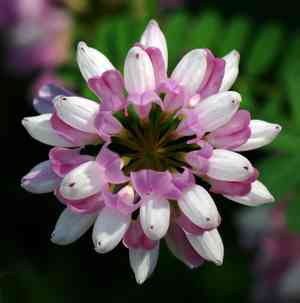
Prickly scorpion's-tail (Scorpiurus muricatus)
Also known as: Scorpion plant, Many-flowered scorpiurus
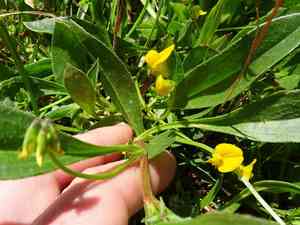
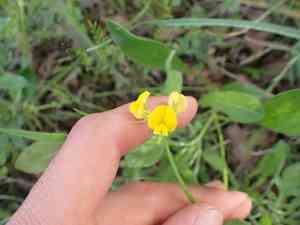
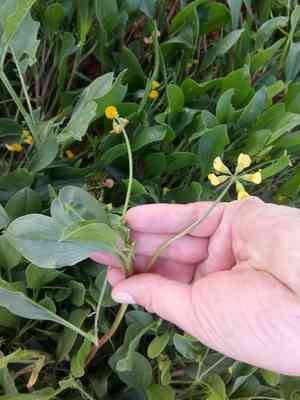
Scorpiurus muricatus, commonly known as Prickly Scorpion’s Tail or Prickly Caterpillar, is an annual herbaceous plant. Its unique prickly foliage, which mimics a scorpion’s tail or a crawling caterpillar, and small yellow pea-like flowers make it an intriguing choice for ground cover in gardens, adding a distinctive touch.
In This Article
Attributes of Prickly scorpion's-tail
Lifespan
Annual
Plant Type
Herb
Plant Height
30 cm
Spread
10-30 cm
Leaf Color
Green
Flower Size
6 mm to 2 cm
Flower Color
Yellow
Images of Prickly scorpion's-tail
Quickly Identify Prickly scorpion's-tail
1
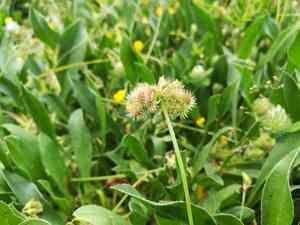
Scorpiurus muricatus can be identified by its small leaflets arranged in pairs, yellow pea-like flowers, and distinctive seed pods that are coiled and covered with spines.
Scientific Classification of Prickly scorpion's-tail
Phylum
Vascular plants
Class
Dicotyledons
Order
Fabales
Family
Legume
Genus
Scorpiurus
Species
Prickly scorpion's-tail
Planting and Growing of Prickly scorpion's-tail
Care Difficulty
Easy
Watering Schedule
Every 3 days
Sunlight Requirements
Full sun
Sunshine Duration
4-8 hours
Ideal Temperature
60-75℉
Soil Type
Potting Mix, Peat Mix
Soil pH
6.5-7.5
Fertilizer Type
Balanced
Pruning Season
Spring, Summer
Pruning Area
Branches, Leaves
Pruning Frequency
2 times a year
Repotting Season
Spring
Pot Type
Plastic, Ceramic
 How to Water Prickly scorpion's-tail?
Scorpiurus muricatus thrives when watered using the 'soak and dry' method. This means allowing the soil to dry out between waterings and then providing a thorough soaking. Ensure the entire root zone is saturated while avoiding waterlogging at the base.
What are the symptoms of an underwatered Prickly scorpion's-tail?
›
What should I do if my Prickly scorpion's-tail is not getting enough water?
›
What are the symptoms of an overwatered Prickly scorpion's-tail?
›
How to save an overwatered Prickly scorpion's-tail?
›
 What Are the Sunlight Requirements for Prickly scorpion's-tail?
For Scorpiurus muricatus, the ideal light range includes partial to full sun exposure. Consistent access to this sunlight promotes vigorous growth, helping the plant maintain its characteristic lush greens and prolific flowering throughout its life cycle, thus enhancing its aesthetic appeal and growth efficiency.
More About Sunlight Requirements Techniques→
What is the ideal sunlight exposure for Scorpiurus muricatus?
›
How can I provide optimal sunlight conditions?
›
What benefits does ideal sunlight offer this plant?
›
 What Is the Ideal Temperature Range for Prickly scorpion's-tail?
For optimal growth of Scorpiurus muricatus, it is best to maintain a temperature range between 60°F to 75°F. This range supports healthy growth and ensures the plant's physiological processes function effectively. Temperatures outside this range can lead to stress and potential growth problems.
 What Soil is Best for Prickly scorpion's-tail?
Scorpiurus muricatus thrives in soils with excellent drainage properties, ensuring its roots remain healthy and oxygenated. Good drainage prevents root rot and promotes vigorous growth. This plant prefers soils with moderate fertility. Such soil provides balanced nutrients which sustain healthy foliage and flower production, without over-stimulating vegetative growth that could lead to weak stems. While Scorpiurus muricatus dislikes waterlogged conditions, it still requires consistent moisture to avoid drought stress. Adequately moist soil supports robust plant growth and enhances its resilience.
 How to Fertilize Prickly scorpion's-tail?
For Scorpiurus muricatus, use a balanced fertilizer with a ratio such as 10-10-10. If using liquid fertilizer, dilute it to half the recommended strength to avoid stressing the plant. For slow-release granules, sprinkle around the base but away from direct contact with the stem.
 How to Prune Prickly scorpion's-tail?
Using clean, sharp scissors, selectively remove any damaged or dead leaves. Focus on cutting just above a leaf node to encourage more fullness in the plant's growth. This selective method supports the natural shape of the plant, allowing it to flourish fully. To maintain an aesthetically pleasing shape, inspect your Scorpiurus muricatus and trim any overly lengthy or unruly branches. Aim to create a harmonious structure by ensuring even sunlight penetration, which will aid in minimizing the shading of inner foliage.
More About Pruning Techniques→
 How to Propagate Prickly scorpion's-tail plant?
1
To enhance germination rates, soak the seeds of Scorpiurus muricatus in lukewarm water for 24 hours before planting. This softens the seed coat and encourages quicker sprouting by mimicking natural processes.
2
Fill the seed tray with potting mix, moisten it gently, and then sow the Scorpiurus muricatus seeds evenly on the surface. Cover them lightly with a thin layer of soil, about twice the depth of the seed. Ensure that the mix remains moist but not soggy during the germination period.
3
Place the seed tray in a location with indirect sunlight and maintain a temperature of about 65-75°F (18-24°C). Utilize a propagator lid or plastic cover to retain humidity which can accelerate the germination process, typical within 7-14 days.
 How to Repot Prickly scorpion's-tail plant?
1
Scorpiurus muricatus should be repotted when you notice the plant being root-bound, where roots start to grow through the drainage holes. Additionally, if the soil drains water too quickly or the plant appears to be wilting despite regular watering, it might be time to repot.
2
Select a pot that is about 2 inches larger in diameter than the current one, with ample drainage holes. The material of the pot can vary but opting for terracotta can provide breathability, which helps prevent root rot by allowing the soil to dry out between waterings.
3
Choose a well-draining potting mix enriched with organic matter. Good soil composition prevents waterlogging, a common issue for Scorpiurus muricatus. It promotes adequate root aeration, vital for this plant's health and growth.
Learn More About Prickly scorpion's-tail Diseases
Anthracnose
Bacterial Leaf Spot
Bacterial Soft Rot
Bacterial Wilt
Crown Gall
Cyst Nematode
Damping-off
Downy Mildew
Drought Stress
Fusarium Wilt
Gray Mold
Leaf Spot
Mosaic
Nutrient Deficiency
Nutrient Toxicity
Powdery Mildew
Root Rot
Root-knot Nematode
Rusts
Sooty Mold
Spider Mites
Temperature Stress
Thrips Damage
White Mold
Chemical Injury



