The Prickly scorpion's-tail Plant Advantage: Maximizing Home and Office Appeal and Wellness
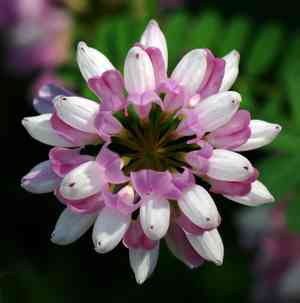
1
The coiled seed pods of Prickly scorpion's-tail are a notable feature.
2
It thrives in dry conditions and adapts well to different soil compositions.
3
Prickly scorpion's-tail offers promise for both environmental and decorative applications.
What Makes Prickly scorpion's-tail Unique?
Distinctive Seed Pods
A key characteristic of Prickly scorpion's-tail is its unique seed capsules, which resemble a scorpion's curled tail. These pods not only provide an interesting visual aspect to the plant but also play a vital role in its reproduction. Their unusual shape aids in spreading seeds over a wider area, ensuring the species' continuation.
Drought Tolerance
Prickly scorpion's-tail exhibits high drought resistance, making it an excellent option for xeriscaping and regions susceptible to water scarcity. Its capacity to flourish in arid conditions highlights its adaptability and positions it as a valuable plant for sustainable gardening methods.
Ecological and Environmental Benefits
Soil Improvement
This resilient plant significantly contributes to soil health. The root system of Prickly scorpion's-tail assists in nitrogen fixation, enriching the soil with vital nutrients and enhancing its overall fertility. This quality makes Prickly scorpion's-tail an effective companion plant for various crops, boosting productivity and lessening the need for chemical fertilizers.
Wildlife Support
Prickly scorpion's-tail offers shelter and sustenance for diverse wildlife species. Its blossoms attract pollinators like bees and butterflies, fostering biodiversity in gardens and natural habitats. Furthermore, its seeds serve as a food source for birds and small mammals, supporting local ecosystems.
Ornamental Value and Uses
Aesthetic Appeal
With its unusual seed pods and vibrant green foliage, Prickly scorpion's-tail adds a distinctive aesthetic element to gardens and landscapes. It is particularly valued for its textural contrast, making it a preferred choice for garden enthusiasts seeking to create visually appealing outdoor spaces.
Versatile Garden Use
Prickly scorpion's-tail can be integrated into various garden designs, including rock gardens, borders, and as an accent plant in mixed beds. Its resilience and low maintenance requirements further enhance its appeal to both amateur and professional gardeners.
Cultivation Tips for Prickly scorpion's-tail
Ideal Growth Conditions
Prickly scorpion's-tail thrives in well-drained soils and can tolerate a range of pH levels. It prefers full sun to partial shade and can be grown in USDA hardiness zones 8-11. Planting Prickly scorpion's-tail in the right conditions will ensure robust growth and maximum benefit from its ecological contributions.
Propagation Methods
Propagation of Prickly scorpion's-tail is best achieved through seeds. The seeds should be soaked in water for 24 hours before planting to improve germination rates. Once planted, they should receive regular watering until established. Afterward, the plant requires minimal care, making it an excellent choice for gardeners seeking low-maintenance options.
Potential Applications in Landscaping
Erosion Control
The robust root system of Prickly scorpion's-tail makes it effective in controlling soil erosion. It can be planted on slopes and other erosion-prone areas to stabilize the soil, prevent runoff, and maintain the land's integrity.
Xeriscaping Solutions
Given its drought tolerance, Prickly scorpion's-tail is well-suited for xeriscapingâa landscaping method aimed at conserving water. Incorporating Prickly scorpion's-tail into xeriscaped gardens can significantly reduce water usage and maintenance efforts, aligning with sustainable gardening practices.



