How to Transplant Bead nutrush?
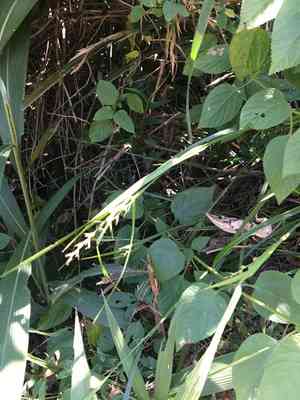
The most suitable period for relocating bead nutrush is as spring's warmth transitions into the early summer radiance, facilitating root development in moderate temperatures. Select sites that offer abundant sunlight and possess good drainage. Only transfer bead nutrush once substantial development is evident.
What Preparations are Needed Before Transplanting Bead Nutrush?
What is the Ideal Time for Transplanting Bead Nutrush?
The optimal period for moving bead nutrush occurs when soils begin to warm and daylight hours extend; consider the season when new growth emerges. Relocating bead nutrush at this point encourages root development prior to summer's full intensity, leveraging the moist, moderate conditions conducive to growth. It's important to note that transplanting bead nutrush during this revitalizing phase provides the plant with the best opportunity to flourish, ensuring robust growth for subsequent seasons.
How Much Space Should You Leave Between Bead Nutrush Plants?
Hello! Before planting bead nutrush, ensure its roots have ample space to thrive! Aim for a comfortable spacing of approximately 6-8 inches (15-20 cm) between individual plants. This allows each to develop freely without overcrowding.
What is the Best Soil Mix for Bead Nutrush Transplanting?
For bead nutrush, the soil acts as a comforting bed, so let's prepare a suitable foundation! Incorporate organic materials like compost to enrich your native soil. A balanced, slow-release fertilizer provides essential nutrients for the roots post-relocation.
Where Should You Relocate Your Bead Nutrush?
Remember, bead nutrush enjoys soaking up the sun, much like we do on a bright day, but appreciates some afternoon shade. Therefore, select a sunny spot that receives a brief respite from direct rays later in the day. Happy planting!
What Equipments Should You Prepare Before Transplantation Bead Nutrush?
Gardening Gloves
To safeguard your hands while handling soil and the plant.
Spade or Shovel
For excavating bead nutrush if it's being moved from the ground.
Hand Trowel
To gently lift bead nutrush from pots or seedling trays with minimal root disturbance.
Watering Can or Hose
To hydrate bead nutrush both before and after the transplanting process.
Garden Fork
To loosen the soil surrounding the plant's root ball.
Wheelbarrow or Garden Cart
For moving bead nutrush and soil if required.
Pruning Shears
To trim any damaged roots or foliage.
Measuring Tape
To confirm the new hole's dimensions are appropriate for the plant's root ball.
How Do You Remove Bead Nutrush from the Soil?
How Do You Remove Bead Nutrush from the Soil?
From Ground: First, moisten the bead nutrush's soil. Then, using a spade or shovel, dig a wide trench around the bead nutrush without disturbing its root ball. Carefully slide the spade beneath the root ball to extract the bead nutrush from its spot.From Pot: Water the bead nutrush and allow it to drain. Turn the pot sideways, gently tap its bottom and sides, and carefully slide the plant out while supporting its base.From Seedling Tray: Dampen the tray's soil. Use a hand trowel or your fingers to carefully remove the bead nutrush, preserving as much root soil as possible.
Step-by-Step Guide for Transplanting Bead Nutrush
Preparation
Have all your tools and equipment ready to streamline the bead nutrush transplanting process. Ensure a water source is nearby to avoid delays in watering immediately after moving the bead nutrush.
Root Ball Care
Before extracting the bead nutrush from its original location, ensure the soil is damp to maintain the root ball's integrity. For ground transplants, use a garden fork to loosen the soil around the plant before lifting it.
Digging the Hole
Excavate a hole in the chosen location that is twice the width of the bead nutrush's root ball but not deeper. This facilitates easy root spread without them growing too deep, where nutrient and water access might be limited.
Placing the Plant
Carefully position the bead nutrush in the center of the hole. Ensure it stands upright and at the same depth it was previously growing. This prevents unnecessary stress on the plant.
Backfilling
Gently refill the hole around the bead nutrush with the excavated soil, firming it around the plant to eliminate air pockets. Avoid excessive soil compaction, as good drainage and growth are desired.
Watering In
Immediately after planting, thoroughly water the bead nutrush to settle the soil around the root ball and aid in recovery from transplant shock.
How Do You Care For Bead Nutrush After Transplanting?
Immediate Care
Following bead nutrush transplantation, provide it with sufficient water to help its roots recover and establish in the new environment. Ensure the soil remains moist, especially during the initial few days.
Mulching
Apply a layer of mulch around the bead nutrush to help retain soil moisture and regulate soil temperature. Keep the mulch a few inches away from the plant's base to prevent rot.
Observation
Regularly inspect the bead nutrush for signs of transplant shock, such as wilting or yellowing leaves. If these symptoms appear, provide consistent care and avoid abrupt changes in watering or placement until the plant shows signs of recovery.
Support Structures
If bead nutrush is a taller variety, you might need to provide stake support to prevent it from bending or breaking during windy conditions or due to the weight of its foliage until it is firmly rooted in its new location.
Troubleshooting Common Issues with Bead Nutrush Transplantation.
When's the best time to transplant bead nutrush?
The optimal transplanting period is from late spring to early summer, when weather conditions are mild.
How far apart should I space bead nutrush when transplanting?
Ensure to space your plants approximately 6-8 inches (15-20 cm) apart to allow ample room for growth.
Why is my bead nutrush wilting after transplanting?
Wilting could indicate shock. Minimize stress with consistent moisture, protection from intense sun, and wind shelter.
How much should I water bead nutrush post-transplant?
Water generously immediately after transplanting, then maintain consistent moisture without overwatering.
Can I transplant bead nutrush during a hot spell?
It's advisable to avoid hot periods. Transplant during cooler parts of the day and ensure adequate watering.
My bead nutrush looks yellow after transplanting, what should I do?
Yellowing may suggest shock or overwatering. Adjust your watering routine and check for proper drainage.
Should I fertilize bead nutrush right after transplanting?
Wait several weeks before fertilizing to allow bead nutrush to establish its roots in the new location.
What type of soil is best for transplanting bead nutrush?
Well-draining soil rich in organic matter is ideal for bead nutrush, helping it thrive after transplant.
How deep should I plant bead nutrush's roots in the ground?
Plant the roots at the same depth they were in their previous setting to prevent stress.
Can I transplant bead nutrush on a windy day?
It's not recommended. Wind can quickly dehydrate plants. Choose a calm, cloudy day if possible.



