How to Prune Bead nutrush?
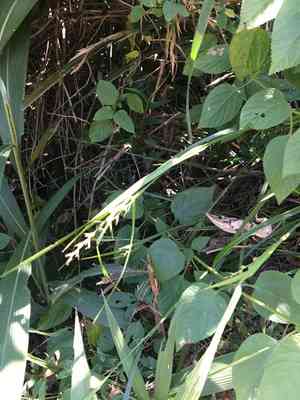
Ideal for damp, exposed locations, bead nutrush thrives with its slender leaves and spherical seed formations. Trimming ought to be kept to a minimum, primarily addressing withered or compromised leaves to foster robust development. The optimal period for this activity is early spring or winter, either preceding or following its dormant phase. Trimming encourages fresh development, boosting the plant's vitality and maintaining a neat look. Employ sharp, disinfected implements to avert the spread of pathogens during trimming.
What Are the Benefits of Pruning Bead Nutrush?
What Are the Benefits of Pruning Bead Nutrush?
Trimming bead nutrush can encourage robust development, ensuring strong vitality. Consistent cutting helps maintain a desired form, preventing excessive growth and promoting a neat look.
What Is the Best Time for Pruning Bead Nutrush?
What Is the Best Time for Pruning Bead Nutrush?
Pruning bead nutrush in early spring is ideal as it precedes the new growth phase, allowing the plant to direct energy to new shoots and maintain a healthy structure. Winter is also suitable for pruning since the plant is typically dormant, minimizing stress and the risk of disease transmission at cut points.
What Tools Do I Need to Prune Bead Nutrush?
Hand Pruners
Appropriate for trimming and shaping the foliage of bead nutrush. These are precise cutting instruments used to make clean cuts through stems and leaves, preventing unnecessary plant damage.
Shears
Perfect for trimming the grass-like leaves of bead nutrush. Shears enable quick shaping and are especially effective for cutting numerous thin, non-woody stems simultaneously.
Gloves
Not a cutting tool but vital for protection while pruning bead nutrush. They will shield hands from sharp edges and any potential skin irritants present in the plant.
Long-Handled Loppers
May be needed if bead nutrush has developed thicker, woodier stems. These offer greater reach and leverage for more substantial cutting tasks, though this is less common for a plant with bead nutrush's growth characteristics.
How to Prune Bead Nutrush
Clean tools
Sanitize pruning shears using a solution of one part bleach to nine parts water to prevent disease spread.
Inspection
Carefully examine bead nutrush for diseased and withered leaves, which typically show signs of discoloration or damage.
Cut diseased leaves
Gently snip off diseased leaves at their base where they meet the stem or the next healthy section, ensuring a clean cut to promote healing.
Remove withered leaves
Remove withered leaves by gently pulling them if they detach easily, or cutting them if necessary, to maintain bead nutrush's appearance and health.
Disposal
Properly dispose of diseased and withered leaves to prevent any potential spread of pathogens to healthy parts of bead nutrush or nearby plants.
Common Pruning Mistakes with Bead Nutrush
Ignoring Plant Structure
Pruning without understanding bead nutrush's natural form can lead to a loss of the plant's aesthetic appeal and a decrease in its vigor. Not recognizing the growth pattern before cutting can result in an unnatural appearance and potentially harm the plant.
Overpruning
Removing too much foliage from bead nutrush at once can stress the plant, making it susceptible to diseases or pests. A good guideline is to never remove more than one-third of the entire plant during a pruning session.
Blunt Tools
Using dull or unclean cutting tools can cause jagged cuts that take longer to heal, increasing the risk of infection in bead nutrush. It's crucial to use sharp, sterilized tools for clean cuts.
Improper Cuts
Making cuts too close to the main stem or leaving a large stub can prevent bead nutrush from healing correctly. Pruning cuts should be made just above a node where leaves, buds, or branches are growing.
Neglecting Dead Material
Failing to remove dead or diseased material from bead nutrush can hinder new growth and lead to further decay. It's important to consistently clear away unhealthy parts of the plant.
Common Pruning Tips for Bead Nutrush
Understanding Growth Habit
Recognize that bead nutrush has a specific growth pattern. Focus on maintaining the plant's natural shape while encouraging healthy growth by strategically removing certain parts.
Regular Maintenance
Regularly inspect bead nutrush to identify and remove dead or dying foliage and stems. This consistent attention helps maintain plant health without requiring intense pruning sessions.
Proper Cut Location
When pruning bead nutrush, ensure that cuts are made at an angle and just above outward-facing nodes or branches. This encourages new growth in the desired direction and prevents water from collecting on the cut surface.
Sanitation
Always clean your tools with a disinfectant before moving from one plant to another to prevent the spread of diseases to bead nutrush. Sanitation is crucial to avoid cross-contamination.
Selective Pruning
Rather than indiscriminately cutting back bead nutrush, selectively remove particular stems to thin out dense areas, which improves air circulation and light penetration to the inner parts of the plant.



