How to Transplant Perennial knawel?
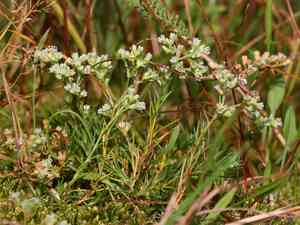
The ideal period for transplanting perennial knawel is from mid-spring as the ground begins to warm, allowing for excellent root development. Select a site featuring good drainage and light conditions that align with its requirements. Should the plant be severely pot-bound, carefully loosening the roots can assist in its adaptation.
Essential Preparations Before Relocating Perennial Knawel
Optimal Period for Perennial Knawel Relocation?
The best time to move perennial knawel spans from early spring's onset to the beginning of summer. Shifting your perennial knawel during this timeframe capitalizes on mild temperatures and increasing daylight, which are vital for root establishment and post-transplant recovery. Choosing this period gives perennial knawel the greatest chance to flourish, maximizing the upcoming vigorous growth season. It's a perfect alignment of natural rhythms and gardening practices!
Recommended Spacing for Perennial Knawel Plants?
When preparing to plant your perennial knawel, ensure each has ample room! Position them approximately 4-6 inches (10-15 cm) apart to allow sufficient space for expansion and healthy development.
Ideal Soil Blend for Perennial Knawel Transplanting?
For your perennial knawel to thrive, incorporate organic compost into well-draining soil. A light application of a balanced, slow-release fertilizer will provide a strong start. Ensure the soil is neither too wet nor too dry, but perfectly friable!
Optimal Location for Perennial Knawel Relocation?
Your perennial knawel will flourish in a spot where it can receive gentle sunlight. Select a site that offers partial sun, ideally with some afternoon shade to shield it during the day's hottest hours.
Equipment Needed Before Transplanting Perennial Knawel
Gardening Gloves
To safeguard your hands while handling soil and plants.
Hand Trowel
For excavating small holes when planting young plants.
Spade or Shovel
For digging around and carefully lifting the perennial knawel plant from its current spot or container.
Watering Can or Hose
To thoroughly hydrate the perennial knawel before transplanting and to keep the soil moist in the new location afterward.
Garden Fork
To loosen the soil surrounding the perennial knawel plant prior to lifting it.
Wheelbarrow or Plant Carrier
To safely move the perennial knawel plant from one place to another without causing damage.
Pruning Shears
To meticulously trim any damaged roots or foliage.
Method for Extracting Perennial Knawel from the Soil
Method for Extracting Perennial Knawel from the Soil?
From Ground: First, water the perennial knawel plant to moisten the soil, making it easier to manage. Dig a circle around the plant with a spade or shovel, leaving ample space to preserve the root ball. Gently slide the shovel blade beneath the root mass to lift the perennial knawel plant from the ground.From Pot: Begin by watering the perennial knawel's soil in the pot to lessen transplant shock. Tilt the pot sideways and gently tap or squeeze the sides to loosen the soil. Carefully ease the plant out, holding it by the base and not the stems or leaves.From Seedling Tray: Water the seedling tray before beginning. Carefully separate individual perennial knawel seedlings using a hand trowel or a small stick, ensuring minimal root disturbance. Lift each seedling gently by its leaves, not the stem, to prevent harm.
Step-by-Step Guide for Relocating Perennial Knawel
Preparation
Gather all necessary tools for relocating your perennial knawel and ensure clear access to both the original planting site and the new location.
Removal
Follow the 'removal process' steps appropriate for your perennial knawel plantâs initial position to safely extract it from the ground, pot, or seedling tray, ensuring the root ball remains intact.
Hole Excavation
At the new site, use a spade or hand trowel to dig a hole twice the width of the root ball and of equal depth. Loosen the soil at the bottom of the hole with a garden fork.
Plant Placement
Position the perennial knawel plant in the center of the hole, ensuring it sits at the same depth it was previously growing. Adjust the hole size if needed before settling the plant.
Backfilling
Carefully refill the hole with the excavated soil. Gently firm the soil around the plant to eliminate air pockets without excessive compaction.
Watering
Thoroughly water the perennial knawel plant after planting to settle the soil around the root ball and provide essential hydration.
Mulching
Apply a layer of mulch around the base of the perennial knawel plant to help retain soil moisture and stabilize soil temperature.
Post-Transplant Care for Perennial Knawel
Monitoring
Regularly inspect the perennial knawel plant for any indications of stress, such as wilting or discolored leaves, and intervene as necessary.
Watering
Initially, water the perennial knawel deeply and consistently to aid in root system establishment. Gradually decrease frequency as the plant becomes more settled and exhibits new growth.
Mulching
Maintain the mulch layer to continue its benefits, but ensure it does not touch the plantâs stems to prevent rot.
Pruning
Trim away any damaged or dead parts of the perennial knawel plant to direct its energy towards new growth.
Support
For the initial few weeks, providing some support to the perennial knawel plant may be necessary as it stabilizes in its new environment. Use plant stakes if the plant appears to be leaning or unstable.
Resolving Common Issues with Perennial Knawel Relocation.
When is the optimal time to move perennial knawel?
The ideal period for relocating perennial knawel is from the peak of spring to just before summer, typically mid to late spring.
What spacing should I use for perennial knawel during relocation?
For best growth, ensure perennial knawel is spaced 4-6 inches (10-15 cm) apart. This spacing allows ample room for expansion.
Why is my perennial knawel wilting after relocation?
Wilting can signal stress. Confirm perennial knawel has sufficient water, its roots were not excessively disturbed during relocation, and it's not initially exposed to overly sunny or windy conditions.
Should I water perennial knawel immediately after relocation?
Absolutely, provide perennial knawel with a good watering after relocation to help roots settle and recover from the shock of moving.
Can I relocate perennial knawel on a hot, sunny day?
It's best to avoid this. Relocate perennial knawel on an overcast day or in the late afternoon to prevent immediate exposure to intense sunlight.
How deep should the hole be for relocating perennial knawel?
Excavate a hole as deep as the root ball and twice its width, allowing roots to spread naturally.
Which soil type is best for relocating perennial knawel?
Utilize well-draining soil. Perennial knawel dislikes 'wet feet', so avoid heavy, waterlogged soils.
How do I know if perennial knawel is receiving enough light after relocation?
After relocating perennial knawel, observe if the plant appears vibrant and is growing steadily. Some light is beneficial, but not full midday sun immediately after relocation.
What action should I take if perennial knawel's leaves yellow post-relocation?
Yellow leaves might indicate overwatering or a nutrient deficiency. Ensure proper drainage and consider a balanced, slow-release fertilizer.
How frequently should I water perennial knawel after relocation?
Water generously after relocation, then establish a routine of watering when the top inch (2.5 cm) of soil feels dry to the touch.



