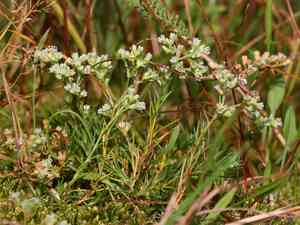
Perennial knawel (Scleranthus perennis)
Also known as: None known
In the past, the perennial knawel was highly prized because it served as a host plant for the Polish cochineal insect, which was essential for producing crimson dye. This plant typically thrived in grasslands, sandy areas, roadsides, and cultivated fields.
In This Article
Attributes of Perennial knawel
Lifespan
Perennial
Plant Type
Herb
Plant Height
5 cm to 15 cm
Spread
Spreads to about 15-20 cm
Leaf Color
Green
Flower Size
1 mm to 3 mm
Flower Color
White Green
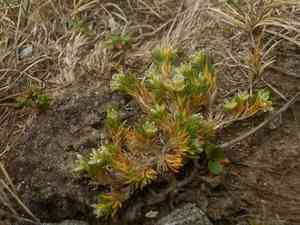
Images of Perennial knawel
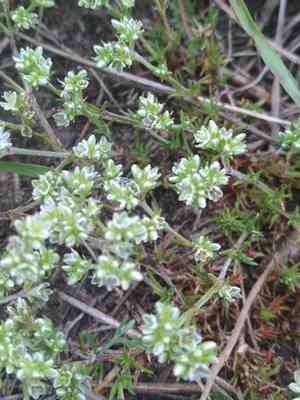
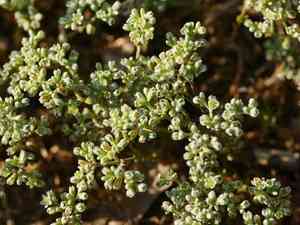
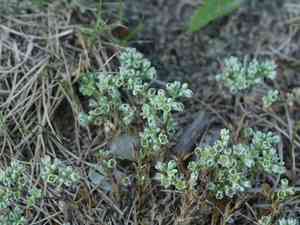
Quickly Identify Perennial knawel
1
Look for small, mat-forming herbaceous plant with tiny, needle-like leaves. The flowers are small, green, and inconspicuous, typically found in clusters.
Scientific Classification of Perennial knawel
Phylum
Vascular plants
Class
Dicotyledons
Order
Caryophyllales
Family
Pink
Genus
German knotgrass
Species
Perennial knawel
Planting and Growing of Perennial knawel
Care Difficulty
Easy
Watering Schedule
Every 2 days
Sunlight Requirements
Full sun
Sunshine Duration
4-8 hours
Ideal Temperature
60-75℉
Soil Type
Potting Mix, Peat Mix
Soil pH
6.5-7.5
Fertilizer Type
Balanced
Pruning Season
Spring, Summer
Pruning Area
Branches, Leaves
Pruning Frequency
2 times a year
Repotting Season
Spring
Pot Type
Plastic, Ceramic
 How to Water Perennial knawel?
Scleranthus perennis prefers a moderate watering approach. Aim to provide around 150ml of water each time, ensuring the soil is damp but not waterlogged. Your plant thrives in well-draining soil, which helps prevent root rot while retaining enough moisture to keep it healthy.
What are the symptoms of an underwatered Perennial knawel?
›
What should I do if my Perennial knawel is not getting enough water?
›
What are the symptoms of an overwatered Perennial knawel?
›
How to save an overwatered Perennial knawel?
›
 What Are the Sunlight Requirements for Perennial knawel?
Partial to full sun exposure benefits Scleranthus perennis by promoting vibrant growth and sturdy stem development, crucial for maintaining its distinct mat-forming nature.
Optimal Lighting Setup
›
Effects of Ideal Light
›
Achieving Ideal Light
›
 What Is the Ideal Temperature Range for Perennial knawel?
Scleranthus perennis thrives best in environments where the temperature ranges between 60 and 75°F. This range provides the necessary balance of warmth and coolness that facilitates photosynthesis and reduces stress on the plant. Consistent temperatures within this window promote steady growth and maintain the plant's overall health.
 What Soil is Best for Perennial knawel?
Scleranthus perennis thrives in well-drained soils, preventing root rot and promoting healthy growth. Proper drainage ensures roots receive adequate oxygen and nutrients. This plant prefers soils of moderate fertility, which supply essential nutrients without causing over-fertilization issues that could lead to weak growth. Low salinity levels in soil are crucial for Scleranthus perennis, as salty conditions may harm its roots and impede nutrient absorption, leading to poor health.
 How to Fertilize Perennial knawel?
Scleranthus perennis benefits from a balanced fertilization routine. For liquid fertilizers, a diluted mixture at one-quarter strength is advisable, applied evenly until the excess drains out of the pot base. Slow-release granules should be used sparingly, at about half the recommended dose for your average garden per square foot.
 How to Prune Perennial knawel?
Before pruning, assess the overall health and growth pattern of your Scleranthus perennis. Look for any dead or discolored sections that need removal. Identifying areas that require shaping or size control will help guide your pruning efforts effectively. Begin by gently snipping away any dead or brown tips. Then, move to shaping the plant — target uneven or overly long sections, cutting just above a leaf node to promote dense regrowth. Maintain its compact, cushion-like appearance by working evenly around the plant.
More About Pruning Techniques→
 How to Propagate Perennial knawel plant?
1
Collect seeds during late summer or early autumn. Ensure that seeds are fully mature by checking their color and detachment ease from the plant. Clean and dry them properly before storage.
2
Select healthy stems for cuttings, usually around 3-5 inches long. Cut just below a node and remove any leaves from the lower half. This helps the cutting focus its energy on rooting.
3
Division is usually done in early spring. Carefully lift the plant from the ground and gently separate sections with healthy roots. Replant the divisions immediately to prevent drying out.
 How to Repot Perennial knawel plant?
1
Keep an eye on the growth and health of Scleranthus perennis. If you notice roots protruding from the drainage holes or a compacted root ball, it's time to consider repotting. Additionally, if the plant's growth has slowed or it appears to be outgrowing its pot, these are strong indicators that repotting is necessary.
2
Select a pot that's about 1-2 inches larger in diameter than the current one. It should have ample drainage holes to prevent waterlogging, which can be detrimental to the health of Scleranthus perennis. Using a slightly larger pot aids in promoting root growth and provides the plant with enough space to expand, ensuring a thriving environment.
3
Opt for a well-draining sandy mix to mimic its natural habitat. This type of soil ensures proper drainage and aeration, crucial for the roots to breathe and avoid rot. Soil should also retain enough moisture without becoming waterlogged. Such a balance promotes healthy growth and a strong support system for the plant.
Learn More About Perennial knawel Diseases
Bacterial Leaf Spot
Bacterial Soft Rot
Bacterial Wilt
Chemical Injury
Crown Gall
Cyst Nematode
Damping-off
Downy Mildew
Drought Stress
Fusarium Wilt
Gray Mold
Leaf Spot
Mosaic
Nutrient Deficiency
Nutrient Toxicity
Powdery Mildew
Root Rot
Root-knot Nematode
Rusts
Sooty Mold
Spider Mites
Temperature Stress
Thrips Damage
White Mold



