How to Transplant Poorman's orchid?
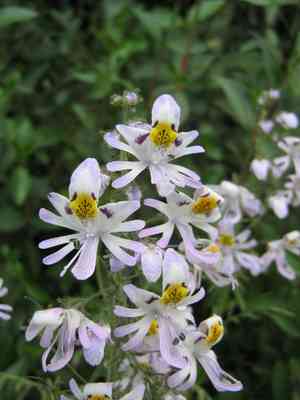
For poorman's orchid, the ideal period for relocation is during the peak of spring's warmth, facilitating a smooth adjustment. Choose a brightly lit location featuring airy, well-aerated soil. Introduce poorman's orchid to its new environment progressively, guaranteeing its thriving integration.
Essential Preparations Before Relocating Poorman's Orchid
Optimal Period for Moving Poorman's Orchid?
Relocate poorman's orchid during mid-spring for prime development. This period leverages extended daylight and moderate temperatures, ideal for poorman's orchidâs root establishment. Shifting poorman's orchid in this season guarantees vigorous blooming, utilizing the stable climate for smooth adaptation. A gentle spring transfer for poorman's orchid ensures it receives the supportive, nurturing environment it needs to thrive!
Recommended Spacing Between Poorman's Orchid Plants?
Arrange your garden so each poorman's orchid plant has approximately 1-2 feet (30-60 cm) of surrounding area. This allows them to flourish without competing with nearby plants for resources.
Best Soil Blend for Poorman's Orchid Relocation?
For poorman's orchid, it's best to prepare well-draining soil, enriched with organic matter or compost. A slow-release, balanced fertilizer can also be incorporated into the soil during planting to stimulate their growth.
Ideal New Location for Your Poorman's Orchid?
Select a garden spot that receives full sun to partial shade. Poorman's orchid thrives in warmth and light, but also benefits from some shade during the day's hottest hours.
Equipment Needed Before Transplanting Poorman's Orchid?
Gardening Gloves
To safeguard your hands when handling soil and plant material.
Garden Trowel
For excavating the planting hole and scooping earth. It's perfect for relocating small poorman's orchid.
Shovel or Spade
These are essential if you are moving a mature poorman's orchid from the ground. They simplify the task of digging out and lifting the plant.
Pruning Shears
Useful for trimming any damaged or overgrown sections of the poorman's orchid plant before relocation.
Watering Can
To adequately hydrate the plant both before and after its transfer.
Wheelbarrow or Plant Pot
To transport the poorman's orchid from its original spot to the new one without causing harm.
Compost or Organic Matter
To enrich the soil at the new planting site, encouraging healthier development of the poorman's orchid.
How to Extract Poorman's Orchid from the Ground?
How to Extract Poorman's Orchid from the Ground?
From Ground: Start by watering the poorman's orchid plant to moisten the surrounding earth. This facilitates easier removal of the plant without root damage. Using your shovel or spade, dig a wide trench around the plant, being careful not to sever roots. Once the trench is dug, gently lift the plant from the ground.From Pot: Water your potted poorman's orchid thoroughly a few hours before its transfer. This helps to loosen the soil and roots. Invert the pot and gently tap it to allow the plant to slide out, holding the stem at its base.From Seedling Tray: Water the poorman's orchid seedling tray to loosen the soil. Gently rotate a seedling by its leaves (never by the stem) and pull it out. Handle all seedlings with care, as they are more susceptible to damage.
Step-by-Step Guide for Relocating Poorman's Orchid
Preparation
Your poorman's orchid will have the best chance of survival if you prepare its new site before removing it from its current spot. Dig a hole about twice the size of the poorman's orchid's root ball, and enrich the hole with compost or organic matter. Maintain the same soil level as the original location to prevent root exposure.
Transplant
Carefully place the poorman's orchid in the hole, ensuring it stands upright. Fill the hole gently but firmly with soil. Avoid pressing the soil too hard as it can compact it and hinder root growth.
Watering
Once the poorman's orchid is in its new location, water it thoroughly. This will help settle the soil and eliminate air pockets that might dry out the roots.
Post-Transplant Care for Poorman's Orchid
Periodic Care
During the initial weeks after relocation, regularly inspect the poorman's orchid for any indications of stress such as wilting, yellowing, or dropped leaves. If you observe any of these signs, it may require more water, less sun, or protection from wind and extreme temperatures.
Watering
Keep the poorman's orchid well-hydrated, especially during dry periods. Until it has fully established, it will need consistent watering. Over time, reduce watering allowing the plant to adapt to its new environment.
Pruning
Depending on the growth of the poorman's orchid, it might be beneficial to prune the plant for shape, size, or to remove dead or dying parts. Pruning also encourages new growth and flowering.
Addressing Common Issues with Poorman's Orchid Relocation.
When is the ideal time to move poorman's orchid?
The best seasons for relocating poorman's orchid are from late spring to early summer.
What is the optimal spacing when moving poorman's orchid?
It's best to allow about 1-2 feet (30-60 cm) between each poorman's orchid to provide ample room for growth.
Why does my recently moved poorman's orchid appear wilted?
Poorman's orchid can wilt due to transplant shock. Keep the plant well-hydrated and initially avoid intense light for recovery.
Is there a specific soil type best for poorman's orchid relocation?
Poorman's orchid prefers well-draining, fertile soil. Adding compost can improve your soil's quality before transplanting.
How deep should I plant poorman's orchid seedlings?
Dig a hole as deep and wide as the existing root ball. Fully cover roots, but avoid burying the stem.
Should I trim poorman's orchid before relocating?
Not necessarily. Pruning is not required before moving poorman's orchid unless the plant is excessively large.
What if poorman's orchid's roots are damaged during relocation?
If minor root damage occurs, keep the plant well-watered and it should recover. For severe damage, consider planting a new specimen.
What are the water needs for a relocated poorman's orchid?
Poorman's orchid prefers consistently moist, but not waterlogged, soil. Water thoroughly after transplanting and maintain consistent hydration.
Why are the leaves of my relocated poorman's orchid turning yellow?
Yellow leaves can indicate either overwatering or a nutrient deficiency. Adjust your watering schedule or introduce balanced fertilizers.
Can I relocate poorman's orchid into pots?
Yes, poorman's orchid can be successfully moved into a pot. Ensure the pot has adequate drainage and is large enough for growth.



