How to Prune Poorman's orchid?
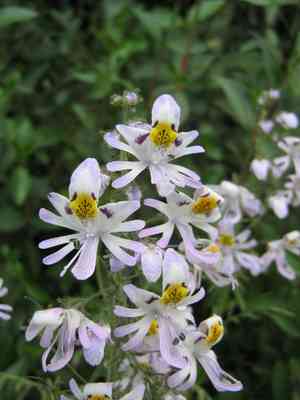
For the fragile poor man's orchid, known for its vivid, orchid-like blooms, strategic trimming improves flowering and preserves its structure. Following the blooming period, snip off spent flowers and elongated stems, ideally from spring through early autumn. This practice fosters a dense shape and the possibility of subsequent blooms. Trimming during periods of active development aids in preventing spindly growth, encouraging a more compact look. Consistent removal of withered flowers enhances the plant's general health and visual attractiveness.
Advantages of Trimming Poorman's Orchid
Advantages of Trimming Poorman's Orchid
Trimming poorman's orchid promotes robust development and helps maintain its desired form. Regular cutting can result in a denser structure, ensuring the plant stays compact and visually appealing, while also increasing the potential for abundant blooms.
Optimal Time for Trimming Poorman's Orchid
Optimal Time for Trimming Poorman's Orchid
For poorman's orchid, trimming during Spring and Early Summer is ideal due to its growth cycle and to encourage healthy flowering. Spring trimming helps remove any frost damage from winter and shapes the plant as it enters its active growth phase. In early summer, trimming is beneficial because poorman's orchid begins to expend energy on growth, and the removal of old or overgrown parts can stimulate new growth and potentially more blooms. Trimming in Fall is generally avoided for poorman's orchid because it can inadvertently remove developing buds or make the plant more susceptible to damage from winter weather. Seasonal trimming also helps manage the size of poorman's orchid, keeps it looking attractive, and can prevent common diseases by increasing air circulation within the foliage.
Tools Required for Trimming Poorman's Orchid
Bypass Pruners
Perfect for making clean cuts on the soft, green stems of poorman's orchid without harming the plant's delicate structure.
Fine Pruning Snips
Ideal for deadheading or cutting back small, delicate stems and leaves of poorman's orchid, offering precision and preventing accidental removal of healthy blooms.
Gardening Gloves
Protects hands from potential scratches or irritations while handling poorman's orchid, ensuring safety during the trimming process.
How to Trim Poorman's Orchid
Sanitize tools
Before starting, ensure all trimming tools are clean and disinfected to prevent the spread of diseases to poorman's orchid.
Identify withered leaves
Carefully inspect poorman's orchid for any withered, yellow, or brown leaves that require removal.
Cut withered leaves
Using sharp and clean scissors or pruning shears, trim off the identified withered leaves at their base where they meet the stem. Be careful not to damage nearby healthy leaves or stems.
Shape plant
After removing the dead or dying foliage, lightly shape poorman's orchid to maintain an aesthetically pleasing form. Cut back any excessively long or unruly stems.
Clean up
Collect and dispose of all removed foliage to keep the surrounding area tidy and deter pests or diseases from affecting poorman's orchid.
Common Trimming Errors with Poorman's Orchid
Excessive trimming
Removing too much foliage at once can shock poorman's orchid, potentially stunting growth or leading to its demise.
Incorrect tool usage
Using dull or dirty trimming tools can cause unnecessary damage to poorman's orchid's stems and leaves, leading to disease.
Cutting too close
Trimming too close to the main stem or nodes can harm poorman's orchid, as it needs enough stem left for regrowth.
Tearing stems
Pulling or tearing stems instead of making clean cuts can create wounds that are more susceptible to infections.
General Trimming Advice for Poorman's Orchid
Sanitize tools
Always use clean, sharp trimming shears to avoid spreading pathogens and ensure a clean cut which promotes quicker healing.
Selective trimming
Cut back overgrown stems and remove dead or dying flowers to stimulate poorman's orchid to produce new growth and more flowers.
Thinning out
Thin out dense areas to increase air circulation, thus reducing the risk of fungal diseases in poorman's orchid.
Encouraging bushiness
Trim just above a leaf node at a 45-degree angle to encourage poorman's orchid to become bushier and produce more blooms.



