How to Transplant Fan fern?
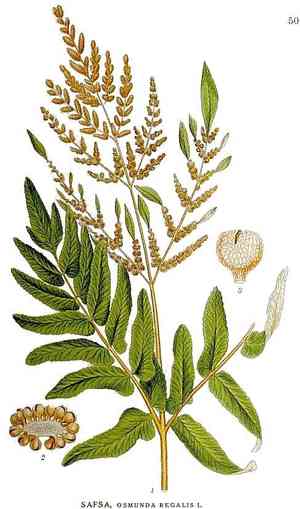
For best results, fan fern flourishes when relocated during the period from late spring's vigor to early summer's strength, allowing it to establish firmly before temperatures rise significantly. Choose locations offering dappled light and soil that drains effectively, handling its fragile root system with care to facilitate a seamless adjustment.
What Preparations are Needed Before Transplanting Fan Fern?
What is the Ideal Time for Transplanting Fan Fern?
The optimal period for relocating fan fern is during the mild warmth from late spring to early summer. This timeframe provides fan fern with the best opportunity to acclimate to its new environment due to stable, moderate temperatures and typically higher moisture levels, which are crucial for root development. Moving fan fern during this window promotes vigorous growth, as extended daylight hours stimulate its development. In this season, the soil is sufficiently warm to support root growth but not excessively hot to cause plant stress. Establishing fan fern in its new spot at this time ensures it has the entire growing season ahead to flourish, making it an excellent strategy for a lush, healthy display.
How Much Space Should You Leave Between Fan Fern Plants?
When preparing to rehome your fan fern, aim for a spacing of approximately 12-15 inches (30-38 cm) between each plant. This will provide ample room for them to spread out and thrive without competing for space.
What is the Best Soil Mix for Fan Fern Transplanting?
Before introducing your fan fern to the garden, prepare a light, well-draining soil mixtureâpreferably loamy. Incorporating organic compost as a foundational fertilizer will give your fan fern a nutrient-rich start in its new location!
Where Should You Relocate Your Fan Fern?
Your fan fern prefers a spot with filtered sunlight! Choose a location that offers partial shade, where gentle morning sun can penetrate, but where the intense afternoon light is diffused by dappled shade.
What Equipments Should You Prepare Before Transplantation Fan Fern?
Gardening Gloves
To safeguard your hands while handling soil and the plant.
Shovel or Spade
For excavating around and beneath the plant to carefully extract it from its current spot.
Garden Trowel
Useful for smaller digging tasks and refining planting holes.
Pruning Shears
To trim any damaged or excess growth before or after the relocation.
Watering Can or Hose with Adjustable Nozzle
For hydrating the plant prior to and following its move.
Wheelbarrow or Cart
To move the fan fern and its soil without causing harm to the plant.
Burlap or Tarp
To support the root ball and keep the soil intact during transit.
How Do You Remove Fan Fern from the Soil?
How Do You Remove Fan Fern from the Soil?
From Ground: First, moisten the fan fern's soil. Then, dig a wide trench around the plant using a shovel or spade, being careful not to harm the root ball. Gently work the tool beneath the root ball to lift the plant from the ground.From Pot: Water the fan fern to facilitate the root ball's removal. Turn the pot on its side and lightly tap it to loosen the plant. Grasp the plant near its base and carefully slide it out, ensuring the root ball is supported.From Seedling Tray: Water the tray to ensure the roots are not dry. Use a garden trowel or similar implement to carefully extract the fan fern, starting from the tray's edges, then lift the plant along with its root soil.
Step-by-Step Guide for Transplanting Fan Fern
Prep Work
Water the fan fern thoroughly one day prior to transplanting to ensure it is well-hydrated.
Dig Hole
Excavate a hole in the ground that is twice the width and the same depth as the fan fern's root ball.
Root Ball Care
If the fan fern is root-bound, gently separate the roots to encourage outward growth.
Placement
Position the fan fern in the center of the hole. The top of the root ball should be level with the surrounding soil surface.
Filling In
Backfill the hole with the removed soil, tamping it down gently but firmly to eliminate air pockets.
Water Deeply
Water the fan fern generously immediately after transplanting to settle the soil around its roots.
Mulch Application
Apply a 2-inch layer of mulch around the base of the fan fern, keeping it clear of the stem to prevent rot.
How Do You Care For Fan Fern After Transplanting?
Watering
Keep the soil around the fan fern consistently moist for the initial few weeks without over-saturating. Avoid allowing the soil to completely dry out between watering sessions.
Mulching
Maintain a layer of mulch to help retain moisture and regulate soil temperature around the fan fern.
Monitoring
Inspect the fan fern daily for indications of stress, such as wilting or discolored leaves, and adjust care as necessary.
Pruning
Remove any dead or damaged foliage to direct the fan fern's energy towards establishing its root system.
Troubleshooting Common Issues with Fan Fern Transplantation.
Why is my fan fern not thriving after transplanting?
Ensure transplanting occurred during its optimal period, approximately from late spring to early summer, and spaced correctly at about 12-15 inches (30-38 cm) apart.
How often should I water fan fern after transplanting?
Water fan fern generously immediately after transplanting, then maintain consistent moisture without waterlogging the soil.
What is the preferred soil for transplanting fan fern?
Use well-draining, fertile soil rich in organic matter to encourage robust growth after transplanting.
Can I transplant fan fern on a hot day?
It's best to transplant fan fern on cooler, overcast days to minimize transplant shock and water loss.
Should I fertilize fan fern after transplanting?
Wait to fertilize fan fern until it's established, typically a few weeks post-transplant, to avoid root burn.
My fan fern looks wilted post-transplant. What should I do?
Wilt can result from shock. Ensure proper watering and shade if necessary, until fan fern recovers.
How deep should I plant fan fern when transplanting?
Plant fan fern at the same depth it was growing previously to avoid burying the crown.
Is it necessary to prune fan fern before transplanting?
Pruning isn't generally required, but removing damaged fronds will focus growth at the roots.
How can I prevent root rot when transplanting fan fern?
Avoid overly moist conditions and provide adequate drainage to prevent root rot in fan fern.
My fan fern isn't growing. Could it have been planted incorrectly?
Correct planting depth and spacing of 12-15 inches (30-38 cm) are critical. If in doubt, gently investigate the planting and adjust if necessary.



