How to Propagate Fan fern?
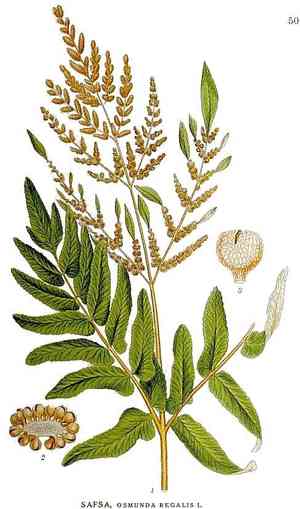
Fan fern, a member of an ancient fern lineage, is generally multiplied by disseminating its spores. Although this method demands precision, achieving success requires scattering the spores onto a substrate that drains effectively and is rich in organic matter, while ensuring conditions of elevated humidity and consistent warmth. The spores necessitate diffused illumination to sprout and evolve into gametophytes, which will ultimately produce new sporophytes. Sustaining uniform moisture is vital, but without oversaturating the cultivation medium, as too much water can foster the development of fungal infections.
Optimal Time for Fan Fern Propagation
Propagation Method
Seeding
Propagation Period
Spring
Tools for Fan Fern Propagation
Seed trays with humidity domes
Seed trays equipped with humidity domes are perfect for initiating fan fern seeds. These domes help maintain a consistently moist atmosphere, vital for fern spore germination. They prevent the medium from drying out and shield delicate spores from environmental stress.
Fine mist spray bottle
A fine mist spray bottle is crucial for gently hydrating fan fern spores without dislodging them. The fine mist provides necessary moisture for spore germination while minimizing the risk of washing spores away, thus maintaining optimal moisture levels around the spores.
Sterile potting mix
Employing a sterile potting mix ensures fan fern spores are sown in a pathogen-free environment, fostering healthier germination and growth. The sterile mix inhibits fungal and bacterial proliferation, which could otherwise compete with or harm developing spores.
Fluorescent grow lights
Fluorescent grow lights offer a steady light source essential for fan fern germination and initial growth. These lights help simulate natural light conditions required for spore germination and are gentle enough not to overheat or scorch delicate new growth.
Fine-tipped tweezers
Fine-tipped tweezers are useful for handling tiny fan fern spores during sowing. They enable precise placement of spores onto the growing medium, reducing waste and ensuring even distribution, which is vital for uniform germination and growth.
How to Propagate Fan Fern?
Propagation Type
Simple
Caring for Your Newly Propagated Fan Fern
Caring for Your Newly Propagated Fan Fern
Post-propagation, ensure high humidity and indirect light for young fan fern. Water regularly to keep soil consistently moist but not waterlogged. As ferns mature, gradually introduce them to the environmental conditions of their permanent spot. Ensure mature fan fern are kept in a partially shaded area with well-draining soil to mimic their natural habitat.
Common Errors to Avoid When Propagating Fan Fern
Overwatering
Excessive watering can lead to root rot, which is harmful as fan fern possess delicate root systems. Too much moisture reduces oxygen availability to roots, affecting plant health and decreasing propagation success.
Using overly dense soil
Employing soil that is too compact can hinder root development and drainage, leading to a lack of essential air pockets. This can result in poor rooting of fan fern as they require well-drained, airy substrates.
Neglecting humidity requirements
Fan fern's natural environment is humid, and failing to maintain a sufficiently moist atmosphere can cause fronds to dry out and impede overall growth and vitality.
Improper division
Incorrectly dividing fan fern, especially not ensuring each division has adequate roots and shoots, can lead to unsuccessful propagation efforts and plant stress due to insufficient resources for establishment and thriving.
Tips For Propagating Fan Fern
Using appropriate soil mix
Prepare a soil blend that is light, well-draining, and rich in organic matter to replicate the natural growing conditions of fan fern. Such a substrate supports healthy root development and facilitates proper water management.
Maintaining high humidity
Keep the environmental humidity elevated when propagating fan fern. Utilizing a humidity tray or misting the air around the plant can effectively mimic their natural moist habitat, promoting better growth and frond development.
Careful division
When propagating fan fern via division, ensure each section includes a portion of the rhizome and several fronds. This increases the likelihood of each division successfully establishing itself.



