Enhancing Your Garden Design with the Fan fern Plant: A Landscaping Guide
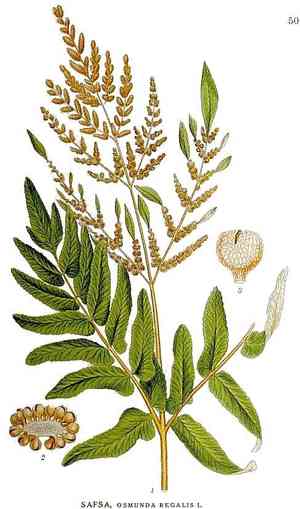
1
Fan fern flourishes in dim environments, making it perfect for gardens with minimal sunlight.
2
For a consistently attractive Fan fern display, combine it with plants that offer contrasting hues and textures.
3
Prevent the growth of aggressive species near Fan fern to allow it to develop unhindered.
Why Opt for Fan Fern in Your Garden?
Visual appeal: Examines the distinct aesthetic qualities of Fan fern.
When choosing plants for your garden, the visual charm of Fan fern is undeniable. With its distinctive fan-shaped fronds, this plant introduces a delicate, singular texture to any outdoor setting. Its graceful and airy form imparts a sense of motion and fluidity, making it either a focal point or a subtle backdrop in various garden schemes. Furthermore, Fan fern's rich green hue provides a lush, abundant feel that can foster a calming, tranquil atmosphere in your outdoor area.
Adapts to diverse themes: Explores how Fan fern integrates into different garden styles like tropical or shaded gardens.
Fan fern is remarkably adaptable, fitting effortlessly into various garden concepts. If you're crafting a tropical garden, its exotic appearance enhances the vibrant, luxuriant ambiance. For shade gardens, Fan fern is an ideal match as it flourishes in lower light conditions, creating a cool and peaceful environment. Whether your garden aims for a natural woodland feel or a more structured formal arrangement, Fan fern adjusts well, adding sophistication and texture to the blend. Its capacity to harmonize with different plant types makes it a valuable addition to diverse landscaping approaches.
Optimal Sites for Cultivating Fan Fern
Shade requirements: Specifics regarding the appropriate sunlight level for Fan fern.
Fan fern favors shaded locales, thriving best with minimal direct sun exposure. Ideal spots include beneath trees, adjacent to shaded walls, or on the northern side of structures where it receives filtered light or none at all. Full sun can scorch its delicate fronds, so it's crucial to position it in areas that offer consistent shade or filtered illumination. If your garden features varying light conditions, consider employing shade cloths or other plants to establish the correct environment for Fan fern.
Spacing guidelines: Information on the necessary space for Fan fern to flourish.
When planting Fan fern, it's vital to consider its spacing needs to ensure robust growth. Each plant should have ample room to extend its fronds without overcrowding. A distance of approximately 12 to 18 inches between each plant is advised. This allows for adequate air circulation, which helps prevent diseases and promotes overall plant vitality. Moreover, proper spacing ensures that each Fan fern can fully display its characteristic fan-like shape, enhancing the garden's visual allure.
Companion Plants for Fan Fern
Ideal plant pairings: Recommends plants that grow well alongside Fan fern.
Fan fern pairs beautifully with a variety of other shade-loving plants. Consider companion plants like hostas, ferns, and astilbes, which share similar growing conditions. These plants not only thrive in shaded areas but also add diverse textures and colors that complement the graceful, airy fronds of Fan fern. Additionally, using ground covers such as moss or shade-tolerant perennials like heucheras can create a rich, layered look that enhances the overall landscape design.
Avoiding invasive species: Advice on selecting non-invasive plants to pair with Fan fern.
It's important to select non-invasive plants to pair with Fan fern to ensure it can grow without undue competition. Invasive species can easily overtake and choke out more delicate plants. Avoid aggressive growers such as ivy or certain bamboo varieties that can spread quickly and overshadow Fan fern. Instead, choose controlled growth plants that remain within their designated areas. This consideration ensures that Fan fern can flourish and contribute to the desired garden aesthetic without being dominated by more aggressive neighbors.
Maintaining Year-Round Visual Appeal with Fan Fern
Seasonal perspective: Discusses Fan fern's appearance across different seasons.
Sustaining your garden's beauty throughout the year is crucial, and Fan fern can significantly contribute to this objective. In spring and summer, its fresh, green fronds are at their peak, providing lush foliage that invigorates any garden space. As seasons transition to autumn and winter, Fan fern retains its structural integrity, offering a consistent presence when other plants might shed their leaves. This year-round reliability makes it a dependable and attractive option for gardeners aiming to create a balanced and enduring landscape.
Design tips: Offers layout suggestions for sustaining interest throughout the year.
To keep your garden visually engaging all year, consider integrating Fan fern with other plants that offer seasonal highlights. For instance, pair it with early-blooming bulbs in spring and vibrant perennials in summer. In autumn, surround it with foliage plants that change color, and for winter, incorporate evergreens that can stand alongside Fan fern. Layering plants with different blooming times next to Fan fern ensures your garden remains lively and captivating through all seasons. Additionally, positioning Fan fern in strategic spots like borders, pathways, or as underplanting for trees can enhance the overall landscape architecture.



