How to Transplant Kidney saxifrage?
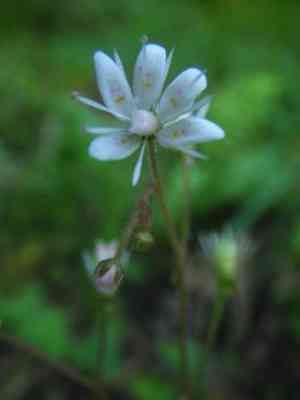
Kidney saxifrage thrives when moved during the period spanning from the initial signs of spring to the mild days of mid-autumn. Select partially shaded, damp spots for re-establishment. Verify that the substrate drains effectively and contains ample organic material for peak development.
What Preparations are Needed Before Transplanting Kidney Saxifrage?
What is the Ideal Time for Transplanting Kidney Saxifrage?
Kidney saxifrage, a perennial plant, ideally thrives when moved from early to late spring or from mid-autumn to early winter. These periods ensure optimal root establishment and vigorous growth, as moderate temperatures and consistent moisture availability reduce transplant shock. Relocating kidney saxifrage during these times also promotes robust flowering and resilience against pests and diseases.
How Much Space Should You Leave Between Kidney Saxifrage Plants?
When relocating kidney saxifrage, aim for a spacing of 12-18 inches (30-45 cm) between each plant. This allows ample room for each plant to grow and spread comfortably without overcrowding.
What is the Best Soil Mix for Kidney Saxifrage Transplanting?
Prepare a well-draining soil mixed with organic compost for kidney saxifrage. It thrives in loamy or sandy soil types. Adding a balanced base fertilizer can provide essential nutrients to encourage healthy growth.
Where Should You Relocate Your Kidney Saxifrage?
Choose a location that receives partial to full shade for transplanting kidney saxifrage. While it can tolerate morning sun, it's best kept away from harsh afternoon rays to prevent leaf scorch.
What Equipments Should You Prepare Before Transplantation Kidney Saxifrage?
Gardening Gloves
To protect your hands while working with the soil and plant material.
Garden Trowel
To excavate around the plant and assist in lifting it.
Shovel or Spade
For digging a new hole where the plant will be relocated.
Watering Can or Hose
To hydrate the plant before and after its relocation.
Garden Fork
To loosen the soil surrounding the plant's root system.
Bucket
To transport the plant and its root ball.
How Do You Remove Kidney Saxifrage from the Soil?
How Do You Remove Kidney Saxifrage from the Soil?
From Ground: First, water the kidney saxifrage plant to moisten the soil. Then, dig a wide trench around the plant using a shovel or spade, ensuring the plant's root ball remains intact. Carefully work the spade under the root ball to lift the plant from its original location.From Pot: Loosen the soil around the edges of the pot by tapping or squeezing the sides. Carefully tip the pot to slide the kidney saxifrage out, being mindful not to damage the roots. If the roots are tangled, gently tease them apart.From Seedling Tray: Water the seedlings thoroughly to make the soil easier to work with. Use a small garden fork or your fingers to gently lift each seedling from the tray, ensuring you keep as much soil around the roots as possible.
Step-by-Step Guide for Transplanting Kidney Saxifrage
Site Selection
Choose a location with appropriate sunlight and space for your kidney saxifrage plant to grow to its mature size.
Prepare the Soil
Loosen the soil in the new planting hole and mix in some organic matter or compost to improve soil structure and fertility.
Dig the Hole
Make a hole that is twice as wide and just as deep as the root ball of the kidney saxifrage plant.
Place the Plant
Place the kidney saxifrage plant into the hole, making sure the top of the root ball is level with the surrounding soil.
Backfill and Firm
Fill the hole with the soil you removed, firming it gently around the roots to eliminate air pockets.
Water Thoroughly
Water the plant thoroughly to settle the soil around the roots and provide moisture for the plant.
How Do You Care For Kidney Saxifrage After Transplanting?
Watering
Keep the soil around the kidney saxifrage consistently moist, but not soggy, for the first few weeks after transplanting to help establish strong roots.
Mulching
Add a layer of mulch around the base of the plant to help retain moisture and regulate soil temperature.
Monitoring
Check the plant regularly for signs of stress, such as wilting or yellowing leaves, and take corrective actions as needed.
Troubleshooting Common Issues with Kidney Saxifrage Transplantation.
When is the best time to transplant kidney saxifrage?
The best time to transplant kidney saxifrage is from early spring to late spring or mid fall to early winter.
How far apart should I space kidney saxifrage plants?
Space kidney saxifrage plants 12-18 inches (30-45 cm) apart for optimal growth.
What type of soil does kidney saxifrage prefer?
Kidney saxifrage prefers well-drained, slightly acidic to neutral soil for healthy growth.
How do I prepare the soil before transplanting kidney saxifrage?
Amend the soil with organic compost and ensure it's well-drained and enriched.
How deep should I plant kidney saxifrage during transplantation?
Plant kidney saxifrage at the same depth it was in its original container.
What should I do if kidney saxifrage wilts after transplanting?
Ensure adequate watering but avoid waterlogging. Provide shade and reduce stress on the plant.
Do I need to water kidney saxifrage immediately after transplanting?
Yes, water kidney saxifrage thoroughly after transplanting to help it settle and absorb nutrients.
Should I use any fertilizer when transplanting kidney saxifrage?
Use a balanced, slow-release fertilizer during transplantation for best results.
How can I protect kidney saxifrage from transplant shock?
Minimize root disturbance, water adequately, and provide some shade to reduce transplant shock.
Do I need to prune kidney saxifrage before transplanting?
Light pruning can help reduce stress on kidney saxifrage and encourage healthy growth after transplanting.



